
Last updated November 24, 2026
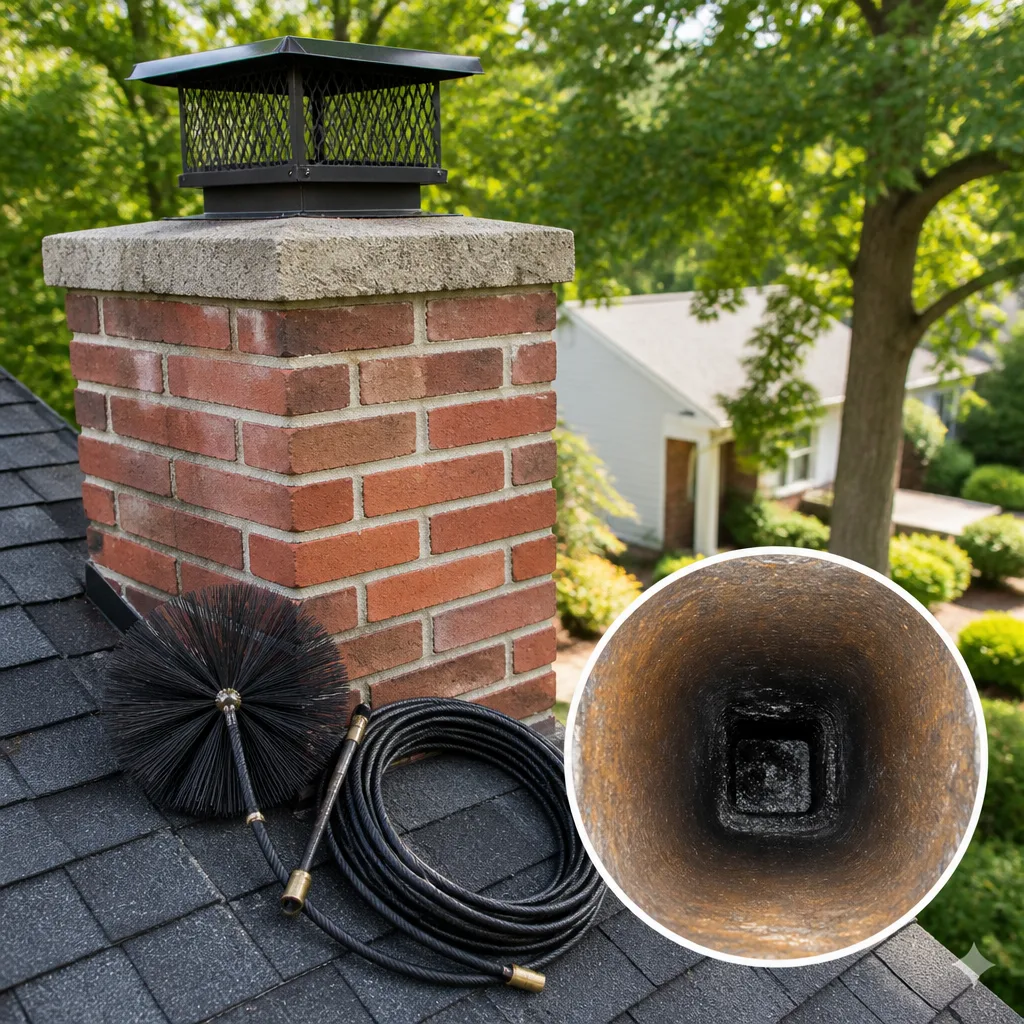 Sweep & inspection
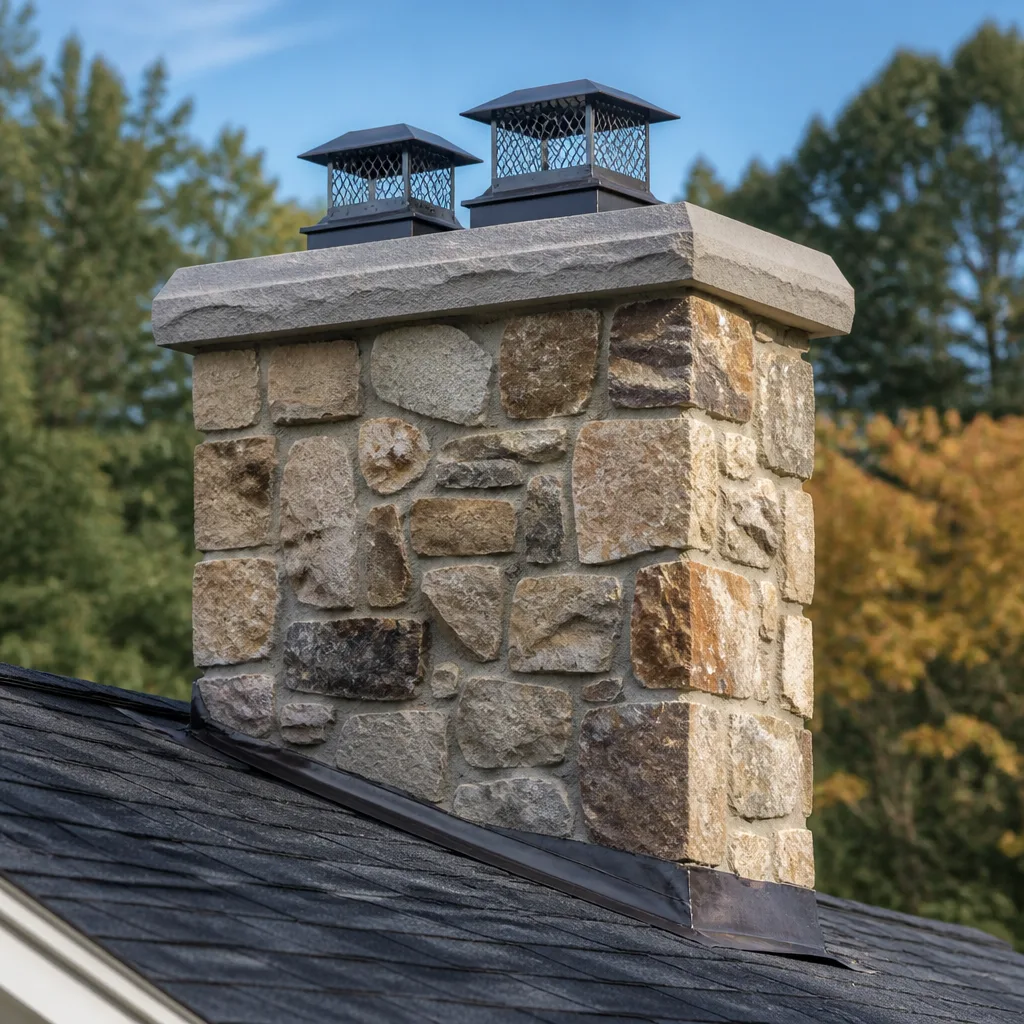 Caps & crowns
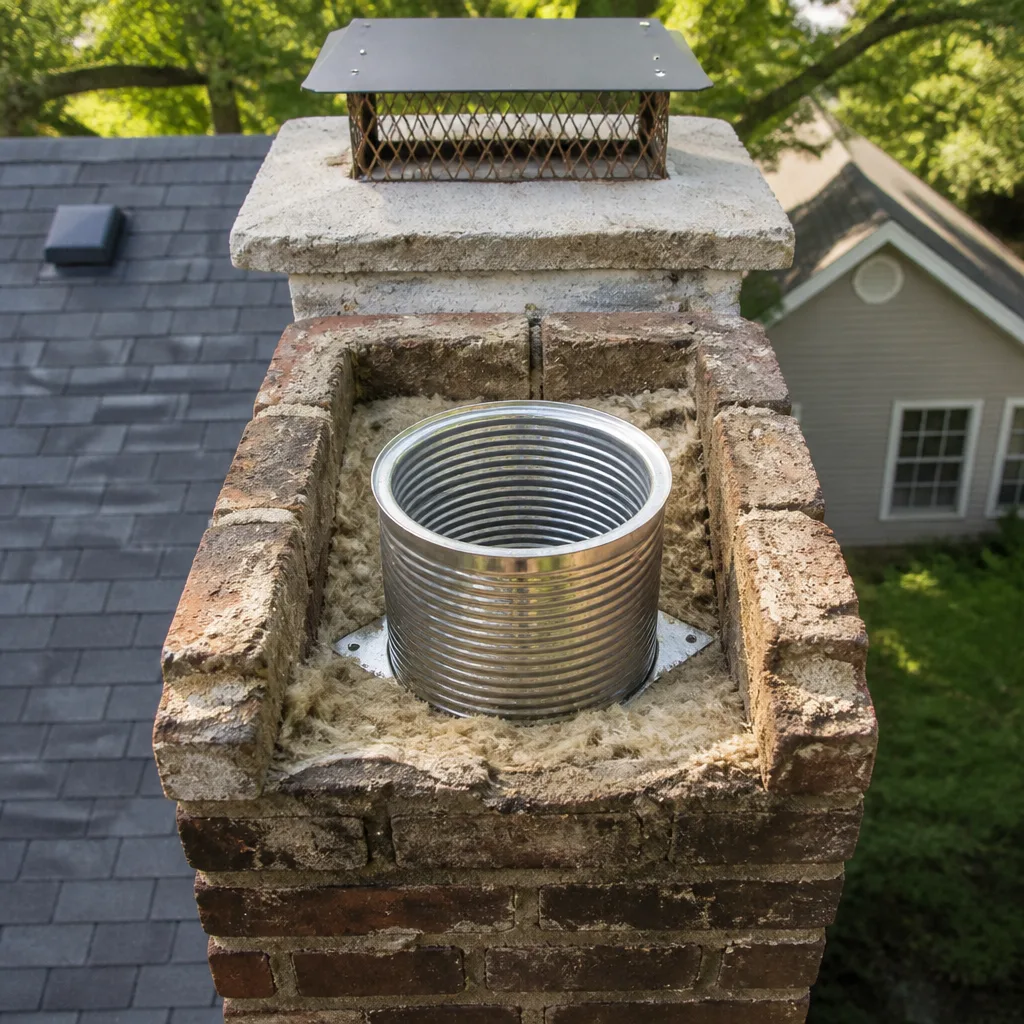 Flue relining
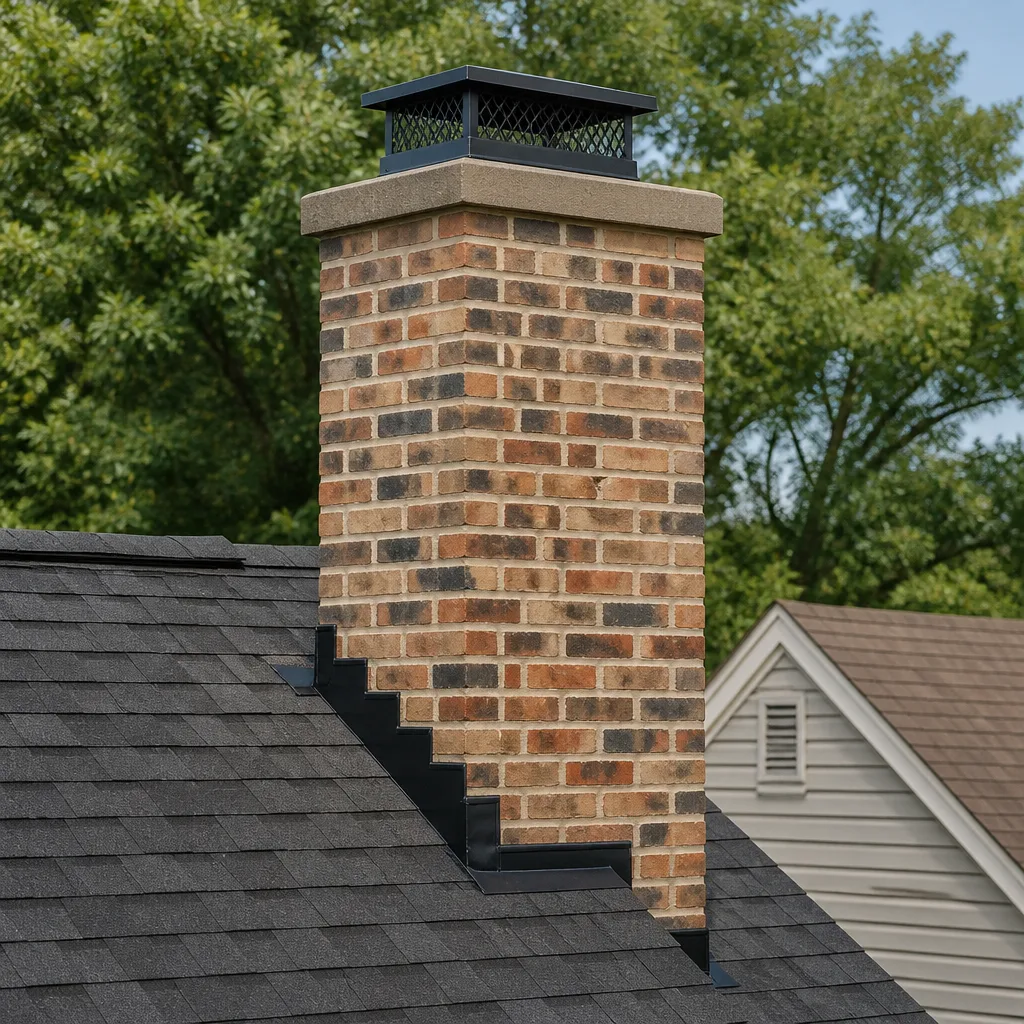 Masonry repair
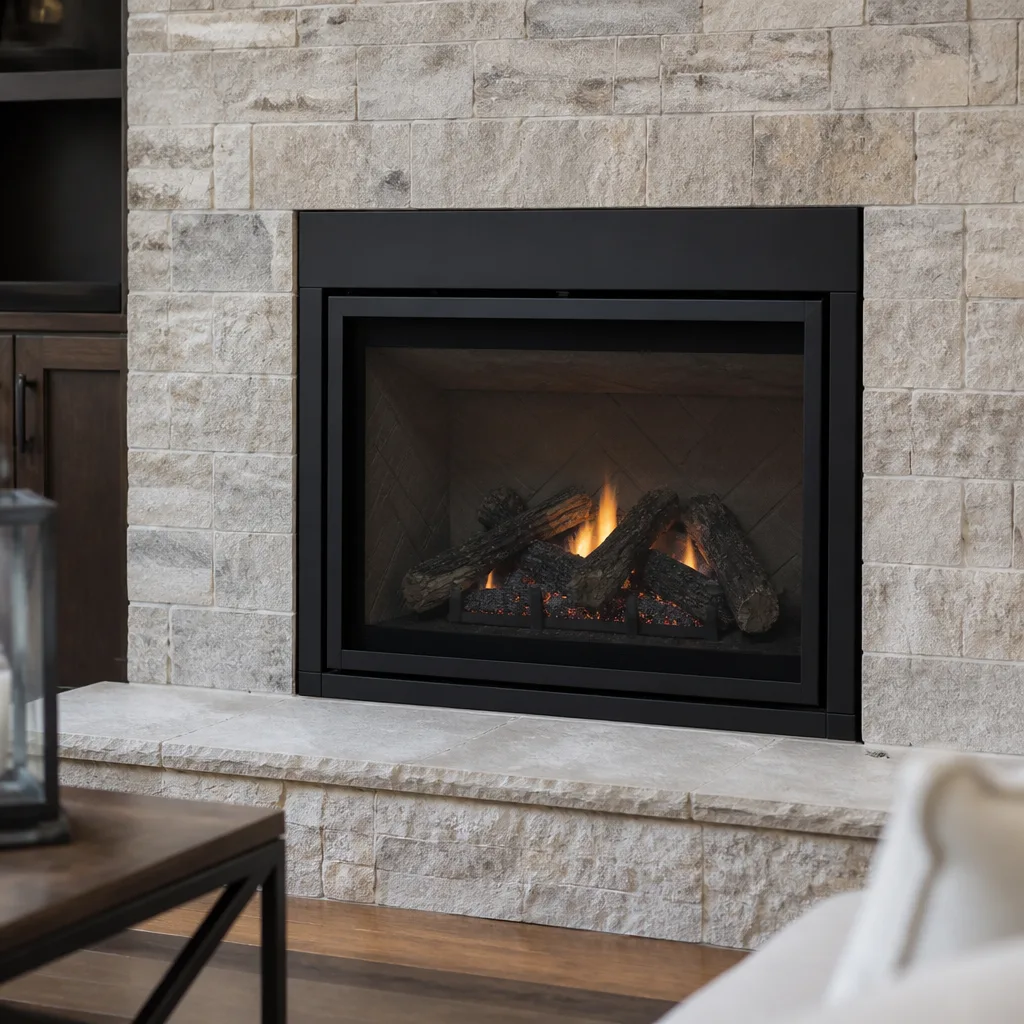 Gas fireplace service
Level 1 sweep and inspection to the NFPA 211 annual standard - flue, crown, cap, and flashing checked and photographed
Chimney sweep logs do not sweep chimneys. They loosen some creosote - which then falls where a brush and vacuum still have to collect it.
Chimney Cleaning Permits, Codes & Inspections in East Nashville, TN: What You Need to Know
Most chimney work in East Nashville doesn’t need a permit. That’s the part people get wrong in both directions. A routine sweep is maintenance, full stop, no paperwork. But the moment a “cleaning visit” turns into a liner swap, a rebuilt crown, or flue tile resurfacing, you’ve crossed into permitted construction under Metro Nashville code. If that work gets done without a permit, the record on your property shows nothing, and that silence follows the house to closing day. This guide covers exactly which chimney services trigger a Metro Nashville permit, how Tennessee’s adoption of the International Residential Code and NFPA 211 shapes what’s allowed inside older East Nashville flues, what a real Level 2 inspection requires, and how to pull permit history on your own address before you hire anyone.
Quick Answer
Sweeping and cleaning a chimney is maintenance and does not require a Metro Nashville building permit. Repairs and alterations, including liner replacement, flue resurfacing, cap and crown reconstruction, and firebox or damper work beyond minor adjustment, generally do require a permit, and the work must meet the International Residential Code as adopted by the state of Tennessee plus NFPA 211 clearance and sizing standards. Before hiring, pull the permit history on your address through Metro Nashville’s public records and confirm what documentation you’ll receive when the job is done.
Styles & brands we work with
- Sweep & inspection
- Caps & crowns
- Flue relining
- Masonry repair
- Gas fireplace service
Table of Contents
- Maintenance vs. Repair: Where the Permit Line Actually Sits
- How Tennessee’s Code Adoption Affects Your East Nashville Chimney
- What a Level 2 Inspection Legally Requires
- How to Check Permit History on Your East Nashville Property
- What Documentation You Should Receive After Permitted Work
- Older East Nashville Homes and the Clearance Problem
- Selling a House With Chimney Work in Its Past
- Common Mistakes to Avoid
Maintenance vs. Repair: Where the Permit Line Actually Sits
The cleanest way to think about it: if the work restores the chimney to the condition it was already in, it’s maintenance. If it changes, replaces, or structurally rebuilds a component, it’s construction, and Metro Nashville wants a permit and an inspection for construction.
Here’s how that splits in practice for chimney work in East Nashville:
- No permit typically required: a standard sweep and visual Level 1 inspection, removal of creosote, a cap replacement where the existing cap simply lifts off and a new one seats on the existing crown flange, minor damper adjustment, and routine firebox cleaning.
- Permit generally required: flue liner replacement, whether that’s a stainless flexible liner or a cast-in-place resurfacing system, crown reconstruction (not a crown coating), chimney chase or stack rebuilds, firebox and hearth rebuilds, and any work that changes the flue’s size, shape, or termination height.
The confusing middle ground is resurfacing. A product like HeatShield restores deteriorated flue tiles from the inside without pulling the old liner out. Homeowners sometimes hear “we’re not replacing the liner” and assume no permit applies. That’s not a safe assumption. Any alteration to the flue’s interior surface is an alteration, and it’s worth asking your contractor directly whether they intend to pull a permit for it. If they say no, ask them to put that in writing along with the code basis.
A sweep that quietly includes a liner replacement under the “cleaning” line item is the scenario to watch for. That’s not a sweep. That’s a construction project with a maintenance label on the invoice.
How Tennessee’s Code Adoption Affects Your East Nashville Chimney
Tennessee adopts the International Residential Code on a statewide cycle, and Metro Nashville enforces it locally. The IRC references NFPA 211, the national standard for chimneys, fireplaces, vents, and solid fuel appliances. Together they set two things that matter enormously in an older neighborhood full of pre-war and mid-century housing stock: flue sizing relative to the appliance, and clearance to combustibles.
Both standards require the flue to be correctly sized for the appliance it serves. A flue that’s too large for a wood stove or insert cools the exhaust too fast, which causes creosote to condense on the walls. A flue that’s too small won’t draft properly. When a liner goes in, the contractor is supposed to size it to the appliance, not just slide in whatever fits the old tile. That’s why a proper reline involves measuring the appliance’s flue collar and exhaust volume, not just the chimney’s dimensions.
Clearance is the second issue. NFPA 211 sets required distances between the chimney and combustible framing, and many older East Nashville homes have chimneys that were built to standards that no longer match current code. A masonry chimney with no clay tile liner, common in houses built before the mid-twentieth century, often fails a Level 2 inspection on that basis alone. It’s not that the house was built wrong for its era. It’s that the code has moved and the chimney hasn’t.
If you’re relining, the material matters as much as the permit. We use DuraFlex flexible liner systems because they’re engineered to the sizing and clearance requirements the code now expects, and they’re what certified chimney professionals install nationwide. The brand choice isn’t cosmetic; it’s what lets the installation pass both the code check and the inspection.
What a Level 2 Inspection Legally Requires
NFPA 211 defines three inspection levels, and the Level 2 is the one most often substituted with something cheaper and less thorough. A true Level 2 is required whenever a property changes hands, after a chimney fire or other event that may have damaged the system, after an appliance change, or when a Level 1 turns up a concern. Any liner replacement also requires one first.
Here’s what a genuine Level 2 involves, in order:
- A visual inspection of all accessible portions of the chimney exterior and interior, including the attic and crawl space where the chimney passes through.
- Video scanning of the flue interior with a camera, top to bottom, including the smoke chamber and the area above the damper.
- Inspection of accessible portions of the appliance and its connector.
- Documentation of clearances to combustibles and the condition of the liner, joints, crown, cap, and flashing.
- A written report, with photographs of any defect found.
What contractors sometimes substitute: a “camera inspection” that scans only the top few feet of the flue from the roof, or scans from the firebox without a proper cleaning first so the camera can’t actually see the tile surface. Either one is a partial inspection with a complete-inspection label on the report. Ask for the video and watch it. If the contractor won’t show it to you, that’s the answer right there.
A Level 2 is where the permit question actually gets resolved. If the scan shows a cracked tile or a gap in the flue, you now know whether the job ahead is maintenance or construction, and whether a permit is in play. In East Nashville, where a lot of housing was built before modern clearances were codified, we see more Level 2 findings that require a permit than a homeowner expects.
How to Check Permit History on Your East Nashville Property
Metro Nashville’s public records are accessible to any property owner, and pulling your own permit history takes a phone call or an online lookup through the Metro Nashville Codes Department. Do this before you hire, not after. What you’re looking for is whether past chimney work was permitted, and if you’re the seller, whether work you commissioned actually shows up.
Step by step:
- Search your address through Metro Nashville’s permit records or call the Codes Department directly. Permit records are public.
- Look for any permit issued for chimney, flue, hearth, or fireplace work on the property. Note the issue date and the final inspection status.
- Ask for the final inspection result on each permit. A permit that was issued but never finaled is a red flag worth resolving before you close a sale.
- Request copies of any inspection reports attached to the permits. Those are part of the public record.
- Compare the permit dates to any invoices or paperwork you have from previous owners. If a liner replacement happened and no permit appears, ask the seller for an explanation in writing.
If you’re buying in East Nashville, this is one of the cheapest due-diligence steps you can take. A chimney with unpermitted liner work is a conversation with the seller, not an automatic walk-away, but you want that conversation before you’re under contract, not after.
What Documentation You Should Receive After Permitted Work
When the job is done, you should walk away with more than a cleaned-out firebox. Ask for these, and keep them somewhere you’ll find them again when you sell:
- The permit number and the final inspection sign-off. The city keeps a copy, but yours is the one you’ll produce at closing.
- A written scope of the work performed, listing the materials used by brand and specification. If a DuraFlex liner went in, the invoice should name it and note the sizing.
- Photographs of the installation, including the liner placement and the crown.
- Any manufacturer warranties on the liner, cap, or crown product. These transfer with the property in most cases, but only if you have the paperwork.
- A written statement of the inspection level performed and its findings, before and after the work.
Store the digital copies in the same place you keep your deed, your homeowner’s insurance policy, and your survey. If you can’t find them at closing, the buyer’s inspector will note the unpermitted- or undocumented-work question, and you’ll spend a week tracking down records you already had.
Older East Nashville Homes and the Clearance Problem
Much of East Nashville was built between the 1920s and the 1960s, and that housing stock carries specific chimney issues that newer construction doesn’t. Unlined masonry chimneys are common. So are exterior chimneys with no proper footing and interior chimneys running through framing that was built to different clearance assumptions than the code now requires.
Three things to look for in an older East Nashville house:
- An unlined flue. If the chimney was built without a clay tile liner, the interior surface is bare brick, and bare brick doesn’t hold up to creosote and moisture. NFPA 211 doesn’t allow an unlined flue to serve a solid-fuel appliance without proper relining, and the fix is a liner.
- A crown that has failed. The crown is the sloped concrete cap at the top of the chimney, and it’s the single most common source of water damage in older masonry chimneys. A cracked crown lets water into the chimney chase, where it migrates to the flue liner and starts the freeze-thaw cycle that splits masonry. In East Nashville’s climate, with cold winters and wet springs, a failed crown does real damage in a short number of seasons.
- Clearances that were legal then and aren’t compliant now. The space between the chimney and the framing around it was sometimes built tighter than current code allows. This is a repair that matters for fire safety, and it’s the kind of issue that shows up in a Level 2 scan and nowhere else.
When a crown needs rebuilding, we use Gelco and Famco products because they’re designed for chimney crown and cap work specifically, not general exterior masonry. A crown coating over a failed crown is a temporary fix at best. Rebuilding it correctly is what actually protects the liner and the framing underneath.
Selling a House With Chimney Work in Its Past
Chimney records travel with the house whether you plan for it or not. The buyer’s home inspector will note the chimney’s condition, and if the liner was replaced recently, the inspector will ask about permits. If there’s no permit on file, the buyer’s agent will ask for an explanation, and your answer needs to be in writing, not verbal.
Two paths through this:
- Permitted work: the permit and final inspection are on file with Metro Nashville. Provide copies at closing. The buyer’s inspector sees a permitted installation and the conversation ends there.
- Unpermitted work: you’re now negotiating around a defect the buyer has no way to verify. The buyer may ask for a Level 2 inspection at your expense, a price reduction, or a credit for redone work. The cost of a permit is small; the cost of a sale falling apart over an unpermitted liner is another category entirely.
If you’re the one buying, this is the same calculation in reverse. A chimney with documented permitted work is a stronger asset than one with a verbal assurance that the seller had it done “a few years back.” Ask for the permit record and the inspection photos.
Common Mistakes to Avoid
- Treating a liner replacement as “part of the cleaning.” If your sweep proposes a liner as an add-on during a routine cleaning visit without discussing a permit, that’s a construction project labeled as maintenance. Ask about the permit before you agree to the work.
- Accepting a “camera inspection” that doesn’t scan the whole flue. A Level 2 requires video of the entire flue, top to bottom, after a cleaning. If the camera only saw the first few feet, you got a partial inspection at a full price.
- Assuming a crown coating counts as a crown repair. A coating goes over a sound crown. It does nothing for a crown that’s cracked through or separated from the chimney top. In East Nashville’s freeze-thaw cycles, a coating over a failed crown just buys you a season before the water finds the liner.
- Skipping the permit history check on a house you’re buying. It’s free and it takes a phone call. Discovering unpermitted liner work after closing is a very different and much more expensive experience.
- Not keeping the documentation. Permit number, final inspection sign-off, installation photos, material warranties. If you can’t find them at closing, nobody can verify the work, including you.
- Assuming a house built in the 1940s has a compliant flue because the chimney “looks fine.” Most of East Nashville’s pre-war chimneys were built to different clearance and sizing assumptions than current code. A Level 2 inspection tells you where you actually stand.
- Letting a general handyman do flue work. A liner is a code-regulated installation with specific sizing and clearance requirements, and it needs a permitted inspection to be defensible. A handyman can clean a firebox. A liner installation is not a handyman’s job.
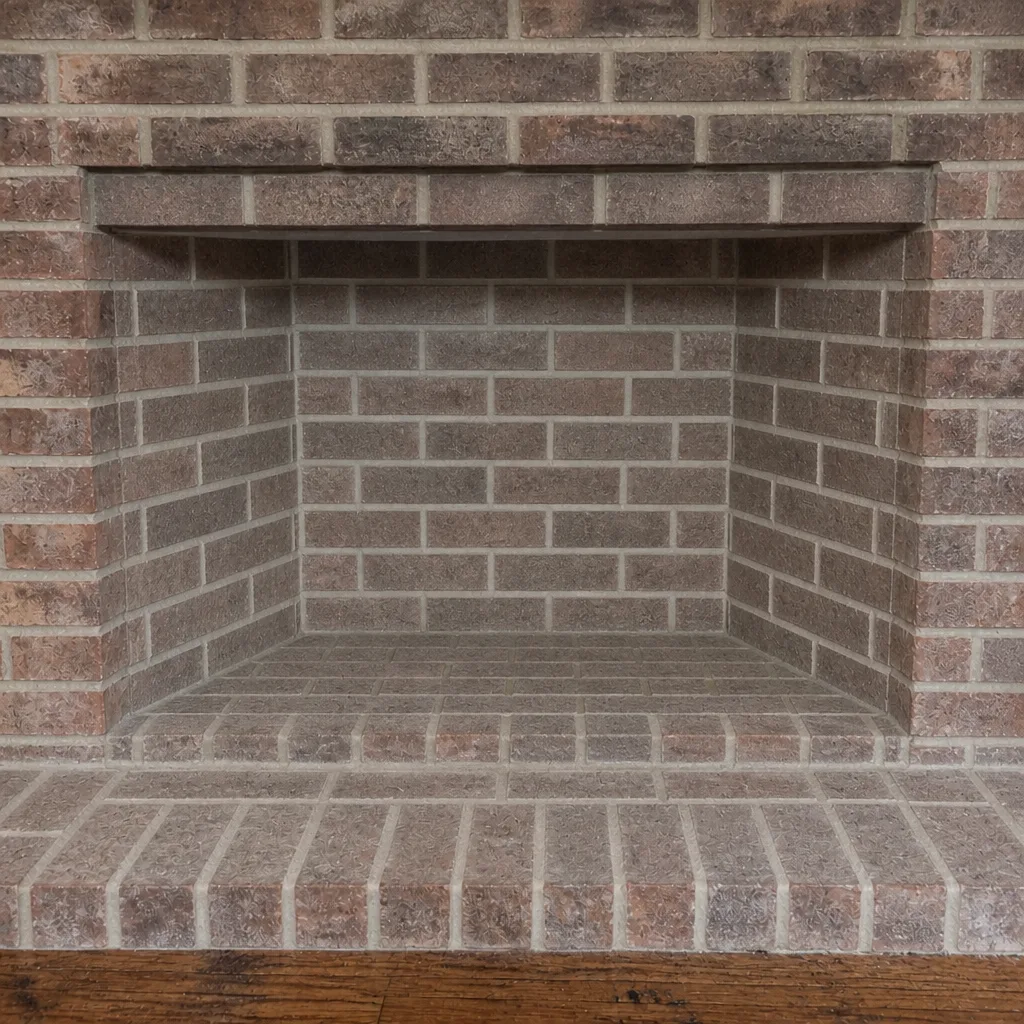
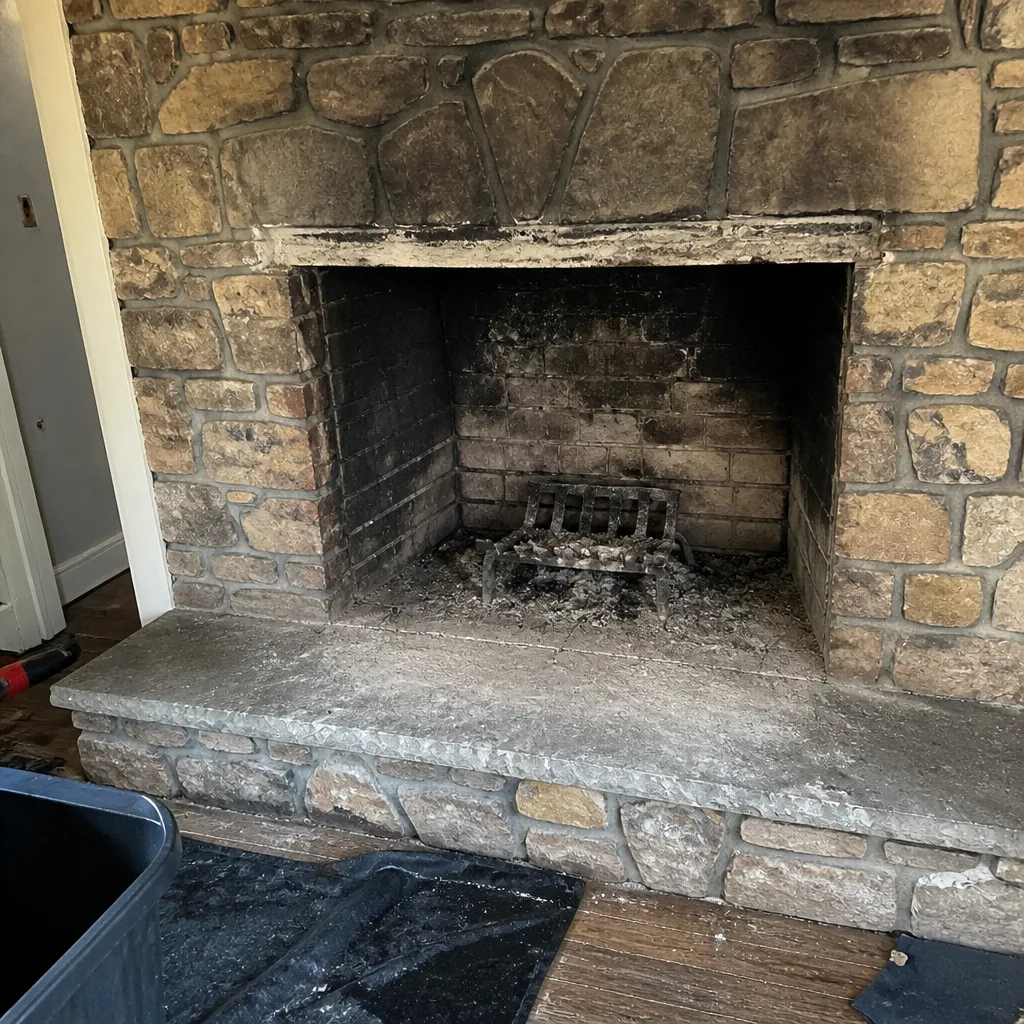
See the difference
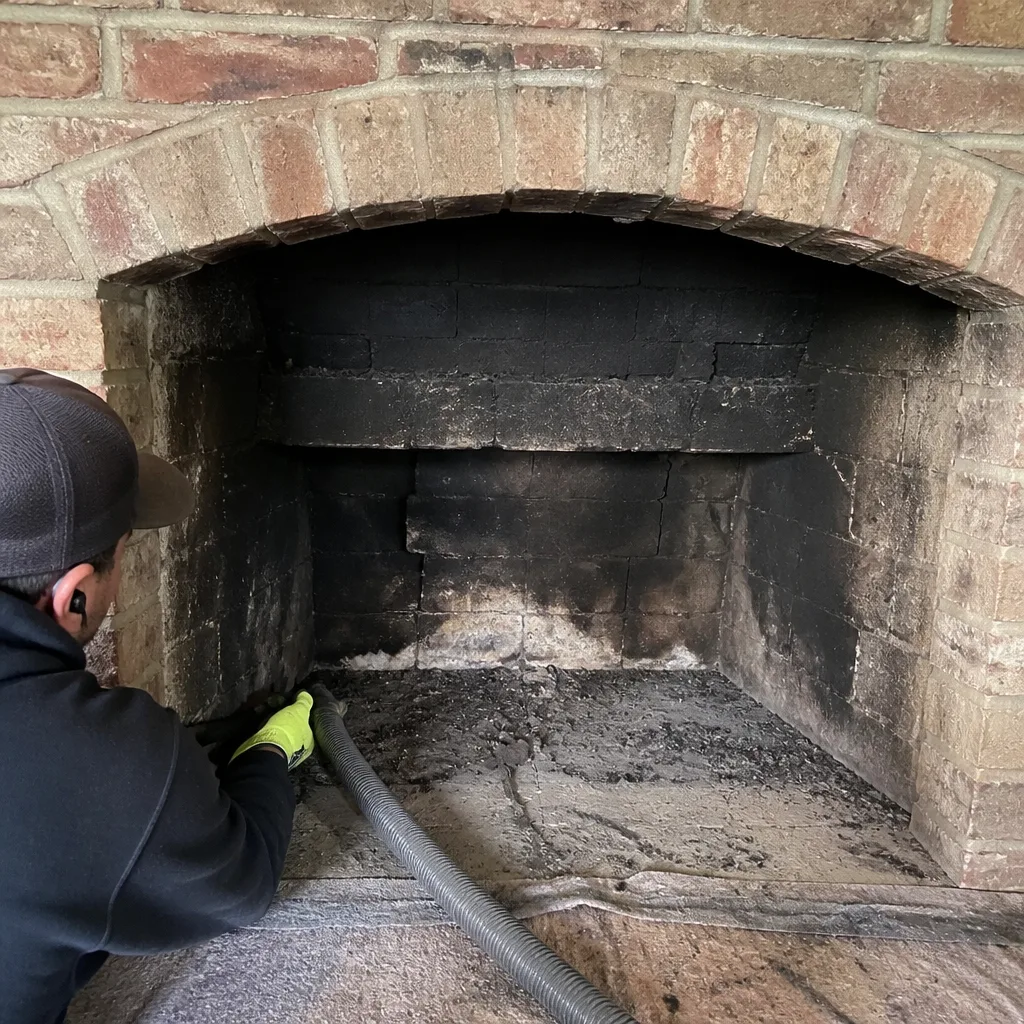 Before
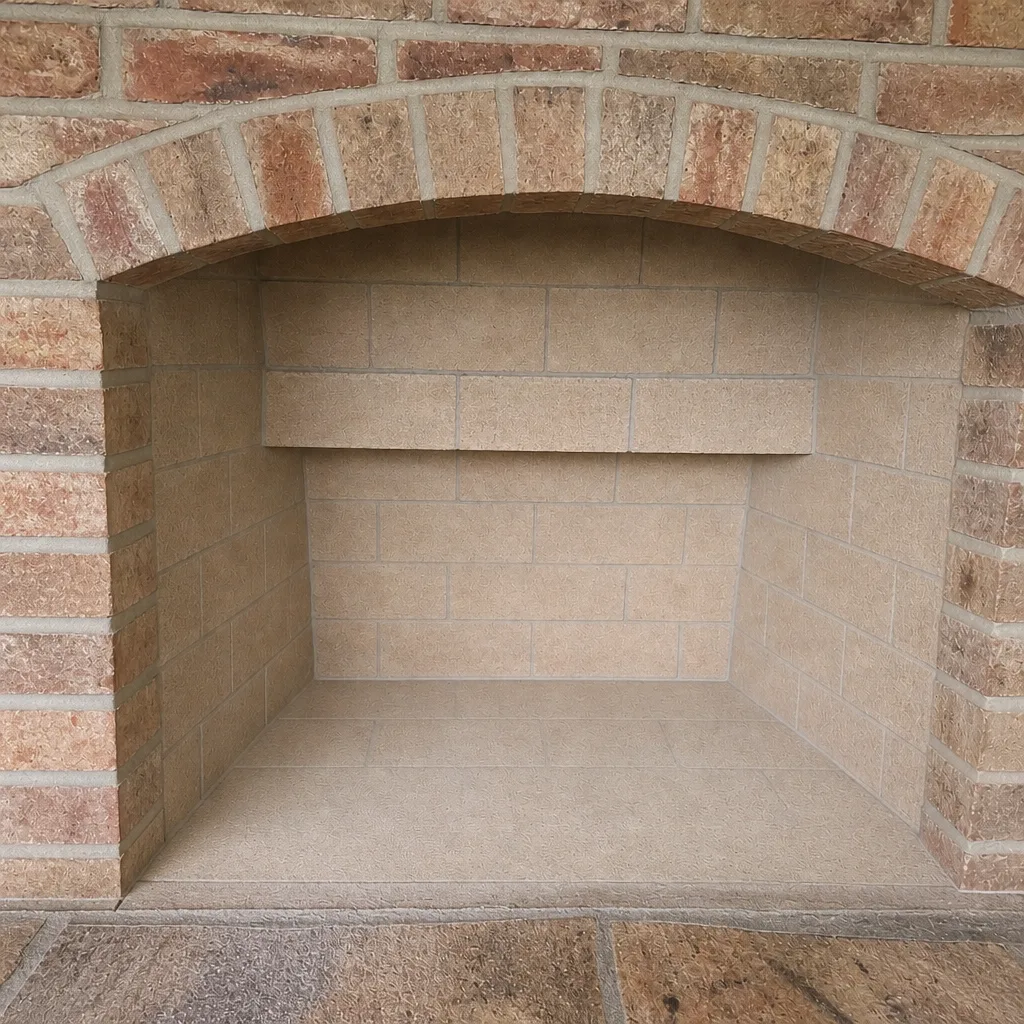 After
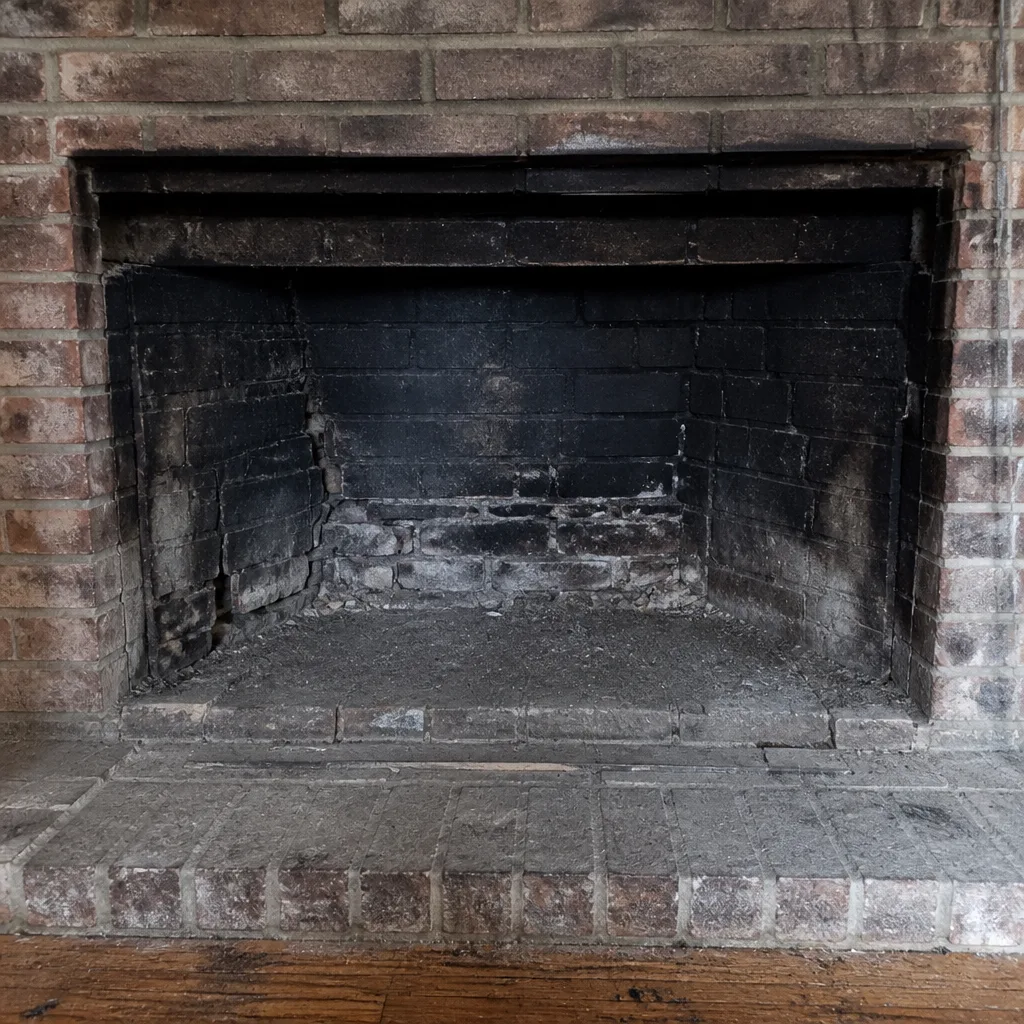 Before
 After
 Before
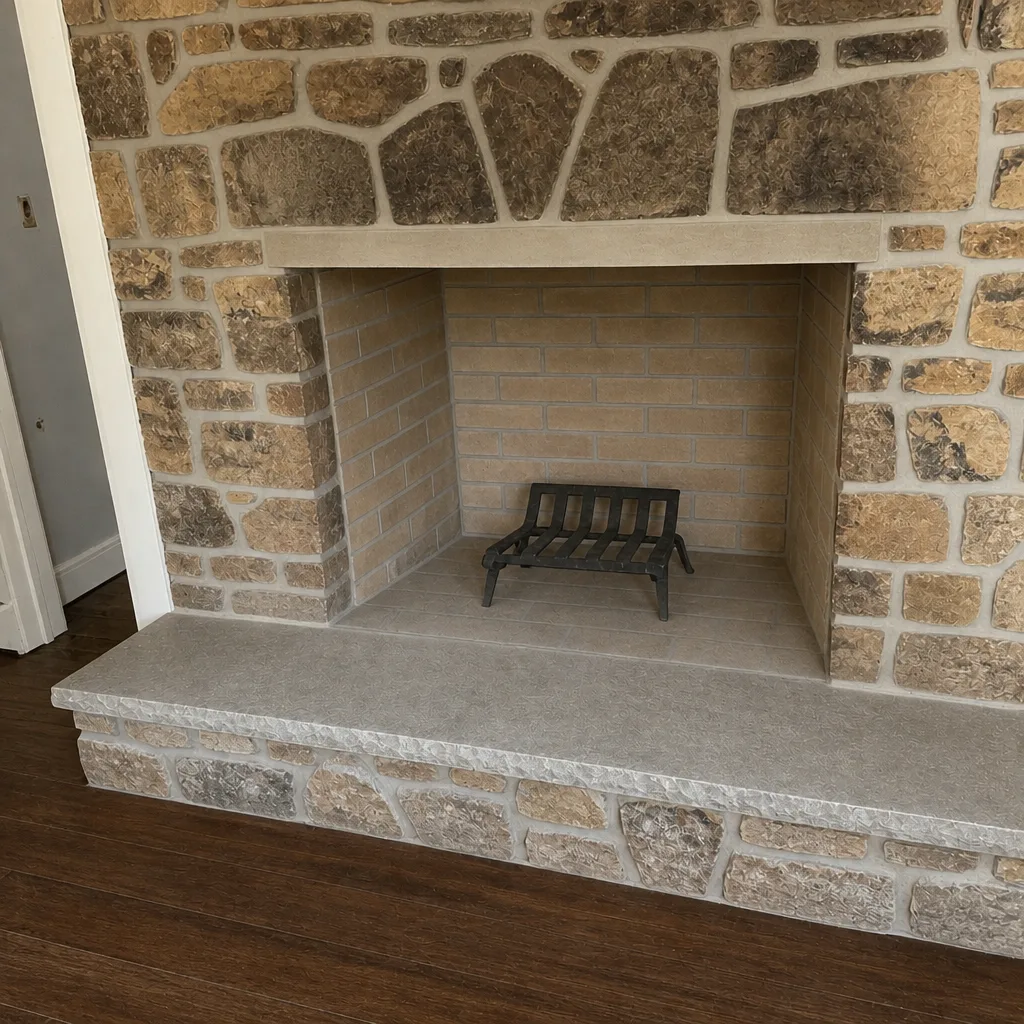 After
When to Call a Professional
Call a professional if you’re buying or selling an East Nashville home and the chimney’s history is unclear, if you’ve never had a Level 2 inspection done and you don’t know whether the flue is lined, if your crown has visible cracks or separation, or if a previous owner had chimney work done and you can’t find the permit. Any liner replacement or flue resurfacing requires a professional licensed for the work; a quick sweep is not a permit issue, but a liner is a construction project under Metro Nashville code.
If you’re not sure whether your job crosses the permission line, that’s the conversation to have before anyone picks up a tool. Chimney Sweep East Nashville offers free estimates in East Nashville – call (877) 792-5705. We’ll look at your chimney, tell you whether the work ahead is maintenance or permitted repair, and put it in writing.
Frequently Asked Questions
A standard chimney sweep and cleaning in East Nashville does not require a Metro Nashville building permit. Cleaning is maintenance, and maintenance doesn’t get a permit. If the visit turns into a liner replacement, flue resurfacing, crown rebuild, or any other structural alteration to the chimney, a permit is generally required and the work must meet the International Residential Code as adopted by Tennessee. Call (877) 792-5705 for an exact quote – estimates are free.
A Level 1 inspection is a visual check of all accessible portions of the chimney and connected components, and it’s appropriate for routine annual maintenance when nothing has changed. A Level 2 adds video scanning of the full flue interior, inspection of accessible attic and crawl space areas the chimney passes through, and inspection of the appliance connector, and it’s required when a property is sold, after a chimney fire, or before any liner installation. A Level 2 produces a written report with photographs; a Level 1 does not.
Call Metro Nashville’s Codes Department or search their public permit records by address. Permit records are public, and you’re entitled to see the permit history on your own property. Look for chimney, flue, hearth, and fireplace permits, and check the final inspection status on each one. If a permit was issued but never finaled, that’s a flag worth resolving. For a bigger picture on what the chimney itself should look like, a fresh inspection through a Chimney Sweep East Nashville gives you a current baseline to compare against the record.
Not automatically, but you do need to know what’s inside the flue. Older East Nashville homes are commonly unlined or have clay tile that has cracked over the decades, and an unlined flue serving a solid-fuel appliance doesn’t meet current code under NFPA 211. That doesn’t mean a liner is always the answer, but it does mean the question needs answering with a Level 2 inspection. Nothing gets recommended without camera evidence you can see for yourself, and a new liner only makes sense when the scan shows it.
Keep the permit number, the final inspection sign-off from Metro Nashville, the written scope with material brands named, the installation photographs, and any manufacturer warranties. Store them with your deed and homeowner’s insurance documents. You’ll need them when you sell, and buyers’ inspectors will ask. If a new crown goes on, ask that the documentation name the product; we install Gelco and Famco crowns because they’re made for this application, and the paperwork should reflect it. Call (877) 792-5705 for a free estimate.
NFPA 211 recommends an annual inspection and cleaning as needed, and “as needed” is determined by how much you burn and how much creosote accumulates. In East Nashville, wood-burning fireplaces tend to run heavier through December and January, and a flue that serves a wood stove or insert accumulates creosote faster than an open fireplace. A sweep before the heating season gives you the cleanest baseline. For a fireplace insert or any repair on the firebox side, our fireplace repair service covers what a sweep alone won’t.
Replacing a cap that mounts to the existing crown flange typically does not require a permit in East Nashville. Rebuilding the crown itself, or replacing a cap that requires structural work to the chimney top, generally does. The distinction is between a component swap and a repair to the masonry structure. Our chimney cap & crown service goes through that distinction with you before any work is scheduled. Call (877) 792-5705 for an exact quote – estimates are free.
The Bottom Line
Sweeping is maintenance and doesn’t need a permit. Repairs and alterations to the flue, crown, or firebox generally do. In East Nashville’s older housing stock, the inspection is what tells you which category your chimney is in, and the permit record is what protects you at resale. Pull your permit history before you hire, ask for a real Level 2 when a liner or a major repair is on the table, keep every document you receive, and don’t let a “cleaning” quietly turn into a liner replacement without the paperwork. The chimney sweep that answers those questions in writing is the one worth hiring.
Call (877) 792-5705 for a free estimate. We answer 24/7. Fast dispatch from 7am to 7pm, Sunday through Friday. Chimney Sweep East Nashville handles inspections, sweeps, cap and crown work, fireplace repair, and full chimney repair, and we’ll tell you plainly when work can wait and when it can’t. Our technicians have up to 14 years of experience.
Written by the team at Chimney Sweep East Nashville.