
Last updated November 24, 2026
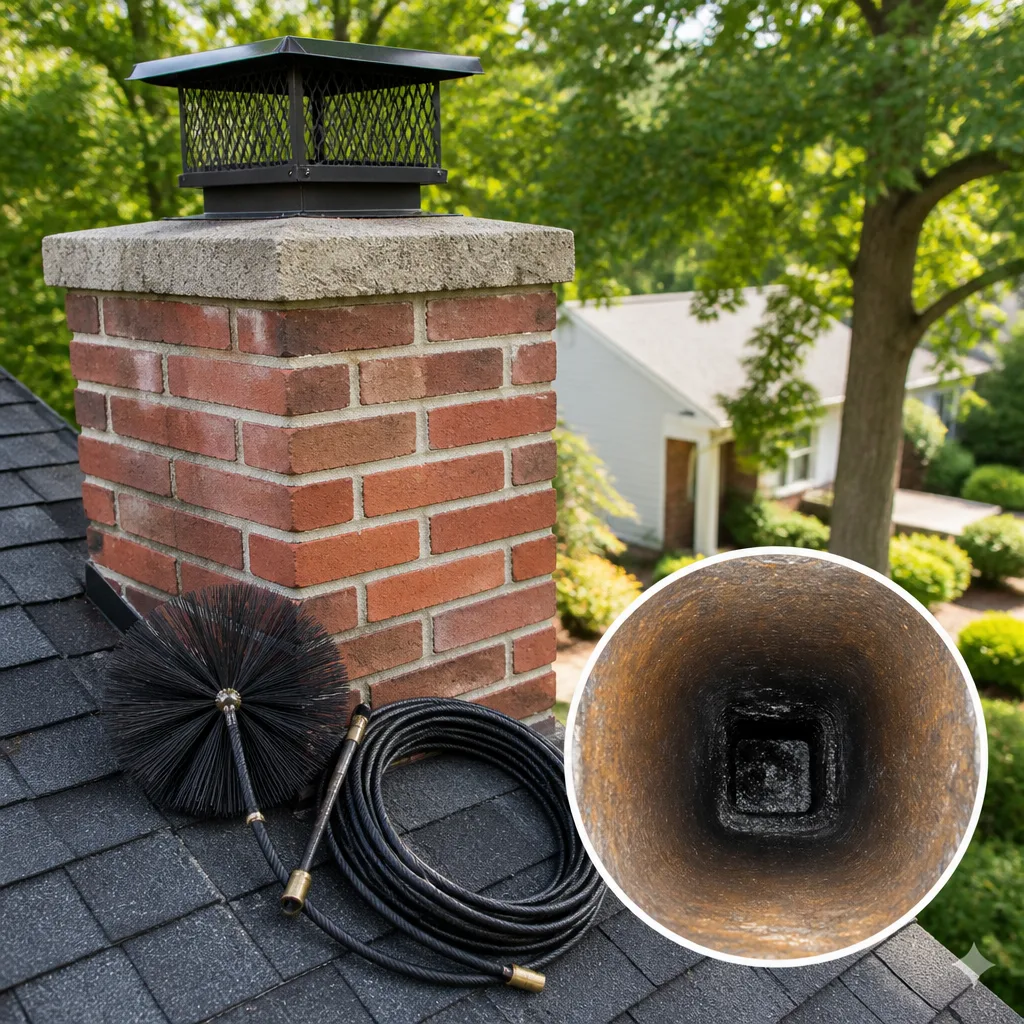 Sweep & inspection
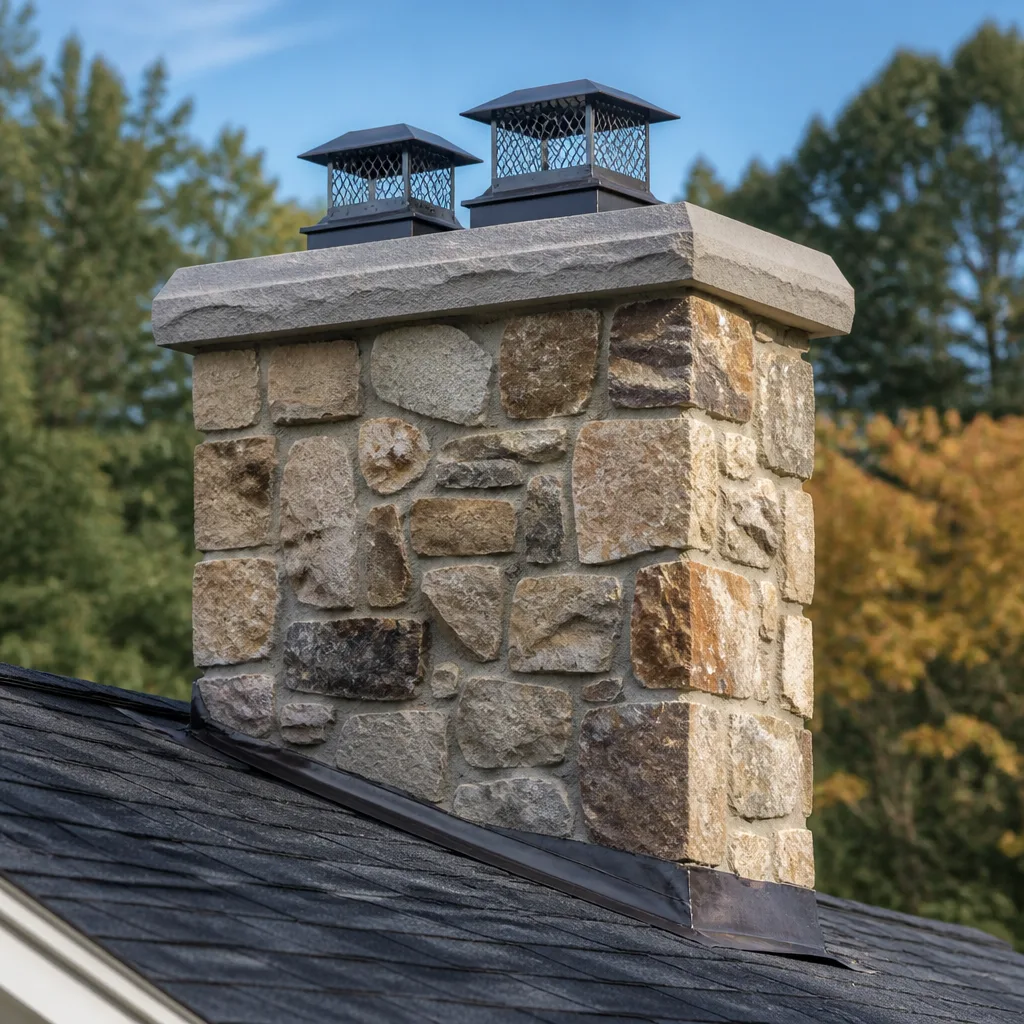 Caps & crowns
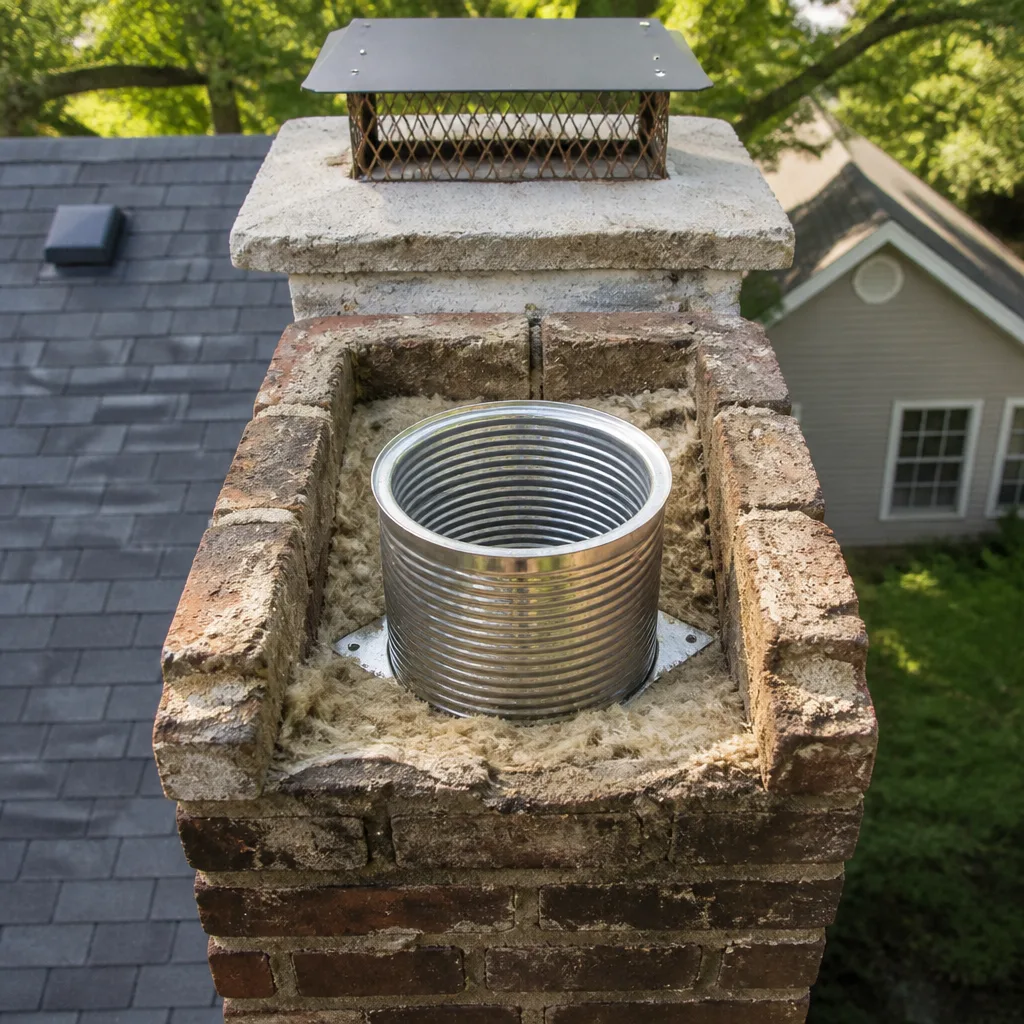 Flue relining
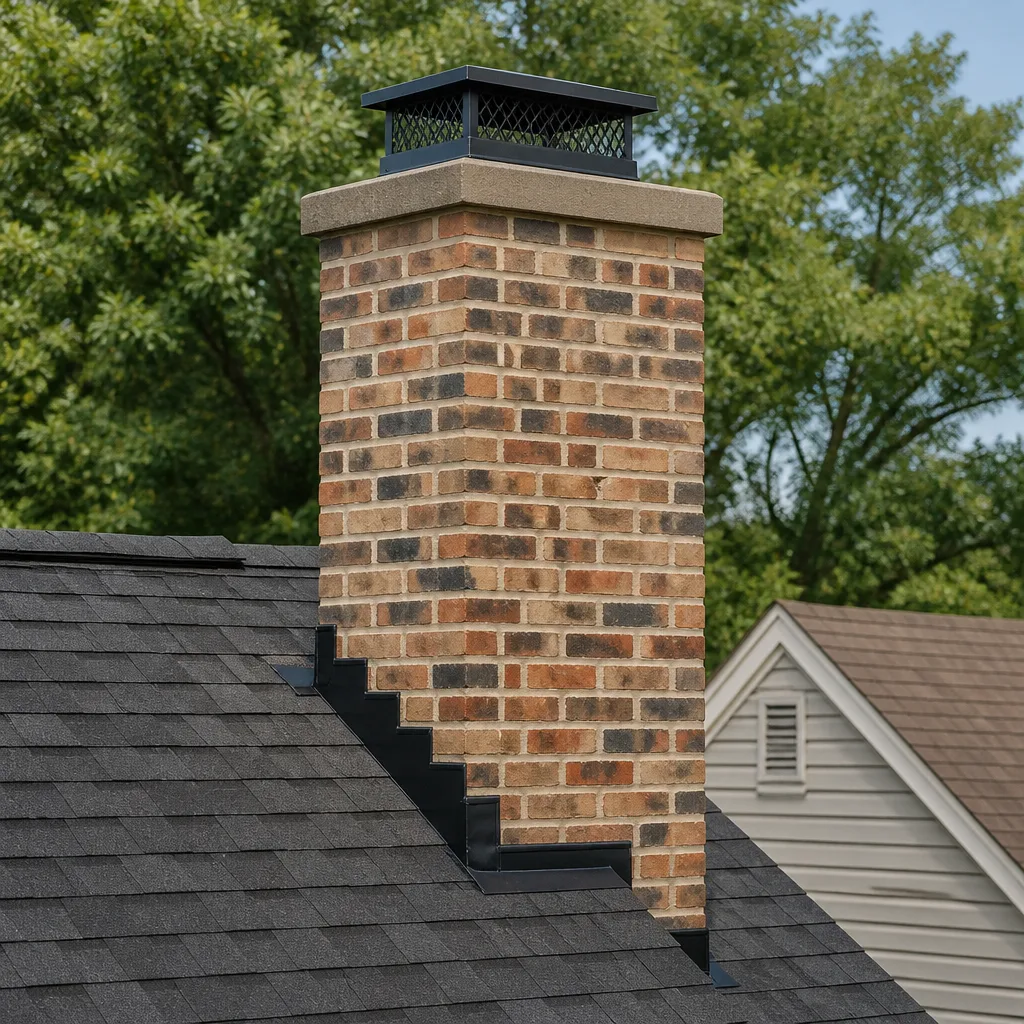 Masonry repair
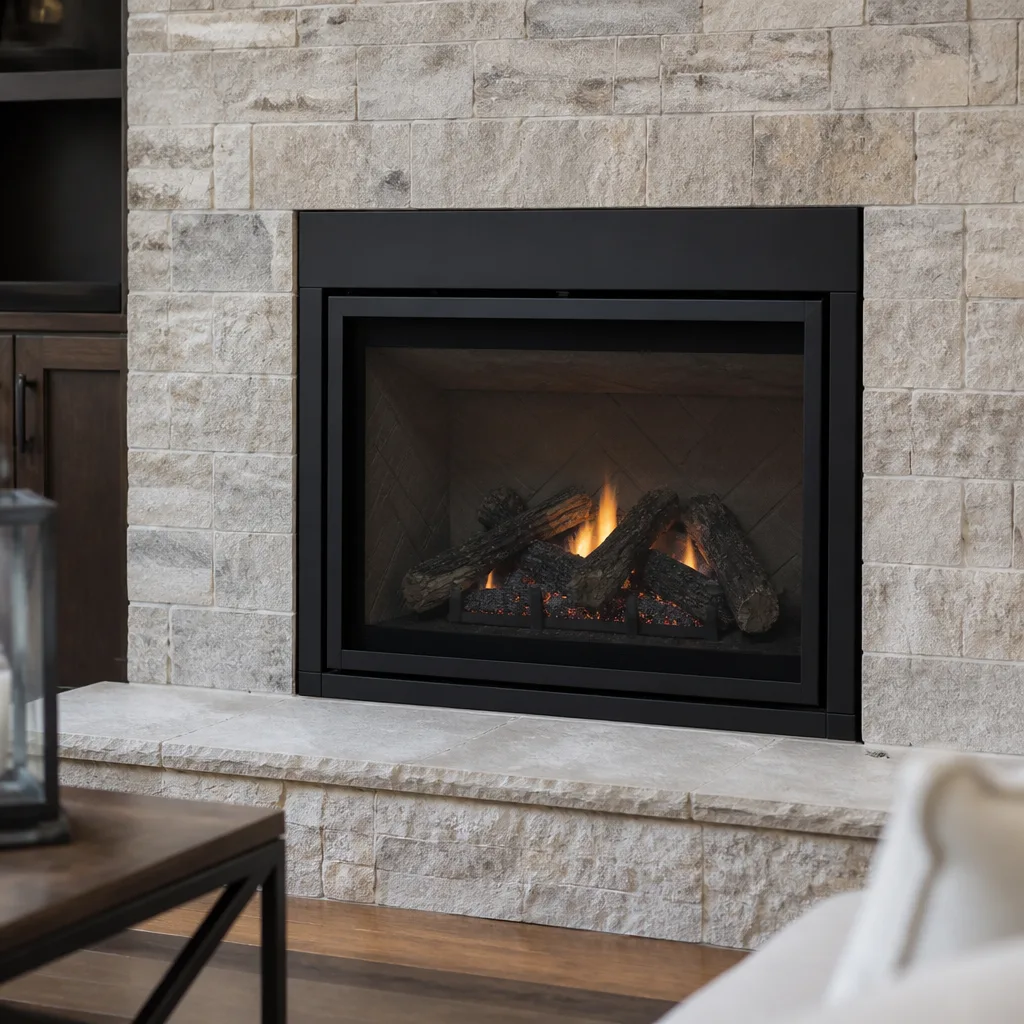 Gas fireplace service
Level 1 sweep and inspection to the NFPA 211 annual standard - flue, crown, cap, and flashing checked and photographed
Chimney sweep logs do not sweep chimneys. They loosen some creosote - which then falls where a brush and vacuum still have to collect it.
Seasonal Chimney Cleaning Care for East Nashville: Year-Round Homeowner’s Guide
Most chimney advice you’ll read is built on a four-season calendar that Middle Tennessee doesn’t follow. Late heat waves push the first fire into November more often than not, and a mild winter makes it easy to skip the spring cleaning you swore you’d do. Nashville’s average first frost date has shifted almost two weeks later since 1980, which means the old “schedule your sweep in September” rule now often leads to a cleaning before you’ve burned enough wood to need one. What works better for an East Nashville chimney is a set of condition-based triggers tied to how much you actually burn, and to what the weather is doing to your masonry the rest of the year. This guide replaces the calendar with those triggers, season by season, so you know what to check and when to call.
Quick Answer
In East Nashville, schedule a chimney sweep based on how much wood you’ve burned, not the month on the wall. A good rule for a working wood-burning fireplace is roughly one sweep per cord of wood burned, or sooner if you notice a heavy creosote buildup, and always before the first fire of a new burn season. Sweep or have your chimney checked in spring once burning stops so soot and creosote don’t sit through summer humidity, recheck the cap and crown before fall startup, and look over the exterior after any high-wind or ice event. An annual inspection catches the structural problems a sweep alone won’t.
Styles & brands we work with
- Sweep & inspection
- Caps & crowns
- Flue relining
- Masonry repair
- Gas fireplace service
Table of Contents
- Why the Standard Seasonal Chimney Calendar Doesn’t Fit East Nashville
- Condition-Based Triggers: When to Actually Schedule a Sweep
- Closing Out the Burn Season in Spring
- Shoulder Seasons: What the Weather Does to Your Chimney When You’re Not Burning
- Summer Humidity and Creosote: What to Check in August
- Winter Storm Aftermath: The Checklist Before Your Next Fire
- A Simple Seasonal Self-Check You Can Do Safely
- Common Mistakes to Avoid
Why the Standard Seasonal Chimney Calendar Doesn’t Fit East Nashville
The advice you find on most chimney sites assumes a predictable four-season pattern: burn all winter, sweep in fall, forget it in summer. East Nashville weather doesn’t cooperate. A warm October can push the first real fire well into November, and a mild January means some households burn half a cord where a cold year would take two. When you sweep in September on a fixed schedule, you’re often cleaning a flue that hasn’t seen much smoke since last winter, then burning through the cold months on an unswept chimney. The calendar is working against you.
The shift in the region’s first frost date compounds this. Nashville’s average first frost has moved almost two weeks later since 1980, so the cold settles in later and the burn season compresses toward the middle of winter. That changes when creosote actually accumulates.
What matters more than the month is the condition of the flue and the volume of wood you’ve burned. A chimney that’s had a full winter of fires needs attention regardless of what the calendar says. One that’s been mostly decorative for a season may not. You also can’t see creosote from the firebox, and you can’t assess a cracked flue tile or a failing crown from the ground. That’s why condition, not season, is the honest trigger.
For East Nashville homeowners, the practical takeaway is simple: tie your chimney care to your burn history and to what the weather is doing to the structure, and let a professional inspection confirm what you can’t see. An annual inspection is the backbone of that approach. A sweep is the cleaning that follows it when the flue needs it.
Condition-Based Triggers: When to Actually Schedule a Sweep
Instead of circling a month on the calendar, watch for these signals. Any one of them is a reason to book a professional chimney sweep in East Nashville.
- You’ve burned about a cord of wood. For most wood-burning fireplaces, a sweep roughly every cord of wood burned keeps the flue clear. If you’re a light burner, that may mean one sweep a year or less. A heavy burner may need more.
- You can see or feel heavy creosote. Glazed, shiny, or tar-like buildup on the flue walls is a sign the flue is overdue. A sweep and inspection will tell you how bad it is.
- The fire is drawing poorly. Smoky starts, a fire that struggles to catch, or smoke rolling into the room can point to a blocked or narrowed flue.
- You smell smoke or a campfire odor in the off-season. That often means draft is pulling air back down the chimney, which can be a sign of buildup, a nesting animal, or a cap problem.
- A season passed with no inspection. Even a light-burning year deserves a look at the flue, the cap, and the crown.
We’ve found that tying the sweep to burn volume rather than a fixed date solves the East Nashville timing problem. It also means you’re not paying for a cleaning before the season has given you anything to clean.
Closing Out the Burn Season in Spring
When the last fire of the year goes out, your chimney starts a quiet stretch where moisture, insects, and animals can move in. How you close things out in spring sets up the whole off-season.
A proper close-out includes a few practical steps:
- Sweep before summer, not after. Soot and creosote sitting in a flue through humid months can combine with moisture and become harder to remove, and heavy buildup is a chimney fire risk the rest of the year.
- Clear the firebox completely. Remove ash and any unburned wood. Leftover ash holds moisture and can attract pests.
- Shut the damper. A closed damper keeps humid outside air, insects, and even small animals from moving down into the firebox.
- Confirm the cap is in place and intact. A quality cap is what keeps rain, birds, and squirrels out. This is where chimney cap & crown work pays for itself, since a missing or damaged cap is one of the most common ways a chimney gets into trouble over summer.
- Note anything unusual you saw over winter – smoke backing up, a draft that changed, a stain on the ceiling – so it can be checked in the spring inspection.
In East Nashville, where mild winters tempt people to keep burning well into spring, this close-out often happens later than further north. That’s fine. The point is to do it once burning actually stops, so the firebox doesn’t sit warm and dirty going into the humid months.
Shoulder Seasons: What the Weather Does to Your Chimney When You’re Not Burning
Spring and fall are the stretches when East Nashville isn’t actively burning but the weather is still working on your masonry. These so-called shoulder seasons are when a lot of slow damage happens, quietly, without a fire in the fireplace to signal a problem.
Here’s what the weather is actually doing:
- Temperature swings cause movement. Warm days and cool nights expand and contract masonry. Small cracks in the crown or mortar joints open a little more with each cycle, then take in water the next time it rains.
- Spring rains test your crown and flashing. The chimney crown is the concrete cap at the very top that sheds water away from the flue. When it cracks, water finds the path down through the masonry, and that’s when interior staining and rusted dampers show up.
- Fall is when the first cool snap arrives before you’re ready. Because East Nashville’s first frost has shifted later, the cold can show up right when you first want a fire. If you haven’t checked the cap, crown, and flue since spring, that first fire is running on unverified equipment.
The shoulder seasons are also the right time to schedule the work. Getting a cap and crown inspected while it’s mild, and before the first freeze, means you’re not scrambling to fix a water intrusion mid-winter. In our experience, the homeowners who stay ahead of shoulder-season issues spend less on repairs down the line.
Summer Humidity and Creosote: What to Check in August
Nashville summers are humid, and that humidity works on whatever is sitting in your flue. Creosote that was dry and powdery in winter can take on moisture over a humid summer. When it does, it tends to become stickier and harder to remove, and it sits in the flue longer than it should.
Before fall startup, an August check of a few things pays off:
- Look for moisture or staining inside the firebox. Dampness, white efflorescence on the masonry, or rust on the damper can point to water coming in somewhere above.
- Check the crown from a safe vantage. If you can see cracks in the crown or a cap that’s loose, that’s the likely source of any water getting in.
- Watch for odors. A musty or smoky smell from the fireplace in summer often means moisture is interacting with residue in the flue.
- Note the condition of a chimney cap. A cap that’s been damaged by a winter storm or pulled loose lets rain straight down the flue.
Rather than get into how to fix these yourself, the safe move is to have the flue, cap, and crown checked before the first fire. Level 1 and higher inspections are exactly the tool for confirming whether the summer left you any surprises. If a problem shows up, the fix is straightforward when caught early – a cracked crown can be repaired, a loose cap replaced, and a flue resurfaced where the tile is failing.
Winter Storm Aftermath: The Checklist Before Your Next Fire
Middle Tennessee gets its share of high-wind and ice events, and those storms are hard on a chimney’s exterior. The damage usually happens out of sight, at the roofline and above, which is why a post-storm look matters before you light the next fire. Hail is uncommon here, but wind and ice do the work.
After a significant storm, check for these:
- Loose or missing caps. High wind can lift a cap free. Without one, rain and debris go straight down the flue.
- Cracks in the crown. Ice and freeze-thaw cycles widen existing cracks in the concrete crown, opening the door to water intrusion.
- Bricks and mortar at the roofline. Falling ice and debris can chip mortar joints and loosen bricks near the top of the stack.
- Signs of water inside. A stain on the ceiling near the chimney, or dampness in the firebox, after a storm is worth investigating.
- Debris in the flue. Wind can drive leaves and twigs into an uncapped flue.
If you spot any of these, get it inspected before you burn. A cap or crown problem that gets caught after a storm is a minor repair. Left alone through the rest of winter, it’s water working its way into the masonry.
A Simple Seasonal Self-Check You Can Do Safely
You don’t need to climb on the roof to stay on top of your chimney. A few simple, safe observations through the year will tell you when to call a professional. The dangerous work – inspecting the flue interior, checking the crown up close, dealing with creosote – is a job for a trained technician.
- Before the season starts: from the ground, confirm the cap is present and the crown looks intact. Look for any obvious cracking.
- During the burn season: note whether the fire draws well and whether smoke rolls back into the room. A change in draft is a signal.
- After a storm: look for missing caps, cracks, and any water staining inside.
- In spring: clear the firebox, close the damper, and book a sweep and inspection once burning stops.
- In late summer: check for off-season odors or dampness and get the flue checked before fall.
That’s the whole routine. Everything requiring a ladder, a flashlight down the flue, or contact with creosote is best left to a professional – the interior of a chimney can hide cracked tiles, blockages, and heavy buildup you can’t see from the hearth.
Common Mistakes to Avoid
- Sweeping on a fixed calendar date. A September sweep on a chimney you haven’t burned much is a cleaning with little to show for it; waiting too long means burning on a dirty flue. Tie the timing to how much you’ve burned.
- Skipping the spring close-out because winter was mild. East Nashville’s warm winters make it easy to assume nothing happened. Moisture and pests don’t care how mild it was.
- Ignoring the cap and crown. These are the most common entry points for water and the most frequent source of recurring chimney damage. A damaged cap is easy to overlook and expensive to ignore.
- Assuming a sweep is the same as an inspection. A sweep cleans; an inspection tells you what’s actually going on inside. You want both.
- Burning after a storm without checking. That loose cap or cracked crown is a water problem waiting for the next rain. Look before you light.
- Trying to clean the flue yourself. Creosote removal, flue inspection, and any roof work involve real hazards. A trained technician with the right equipment does it safely and gets it genuinely clean.
- Putting off a known problem through the shoulder season. Small repairs done while it’s mild are far easier than water damage discovered mid-winter.
When to Call a Professional
Call a professional when you notice any of these: heavy or glazed creosote, a fire that draws poorly, smoke or campfire odor in the off-season, a missing or damaged cap, a cracked crown, water staining near the chimney, or a change in the chimney after a storm. Also call when a full season has passed without an inspection. You don’t need to wait for a problem to grow serious – an inspection confirms whether the flue, cap, and crown are sound, and often the answer is that they’re fine and the cleaning can wait.
We keep the diagnosis honest: nothing gets recommended without evidence you can see for yourself, and we’ll tell you plainly when a job can safely wait until next season. Chimney Sweep East Nashville offers free estimates in East Nashville – call (877) 792-5705. We answer 24/7. Fast dispatch from 7am to 7pm, Sunday through Friday.
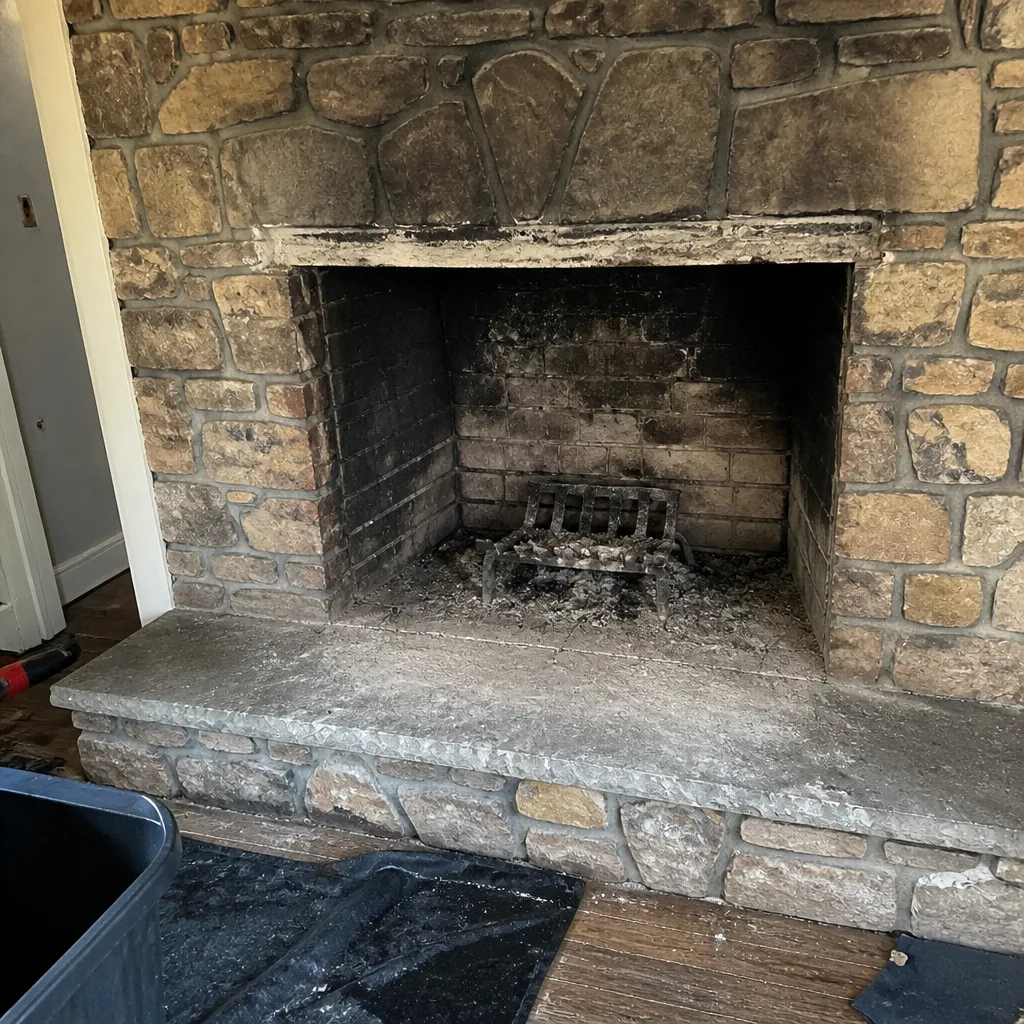
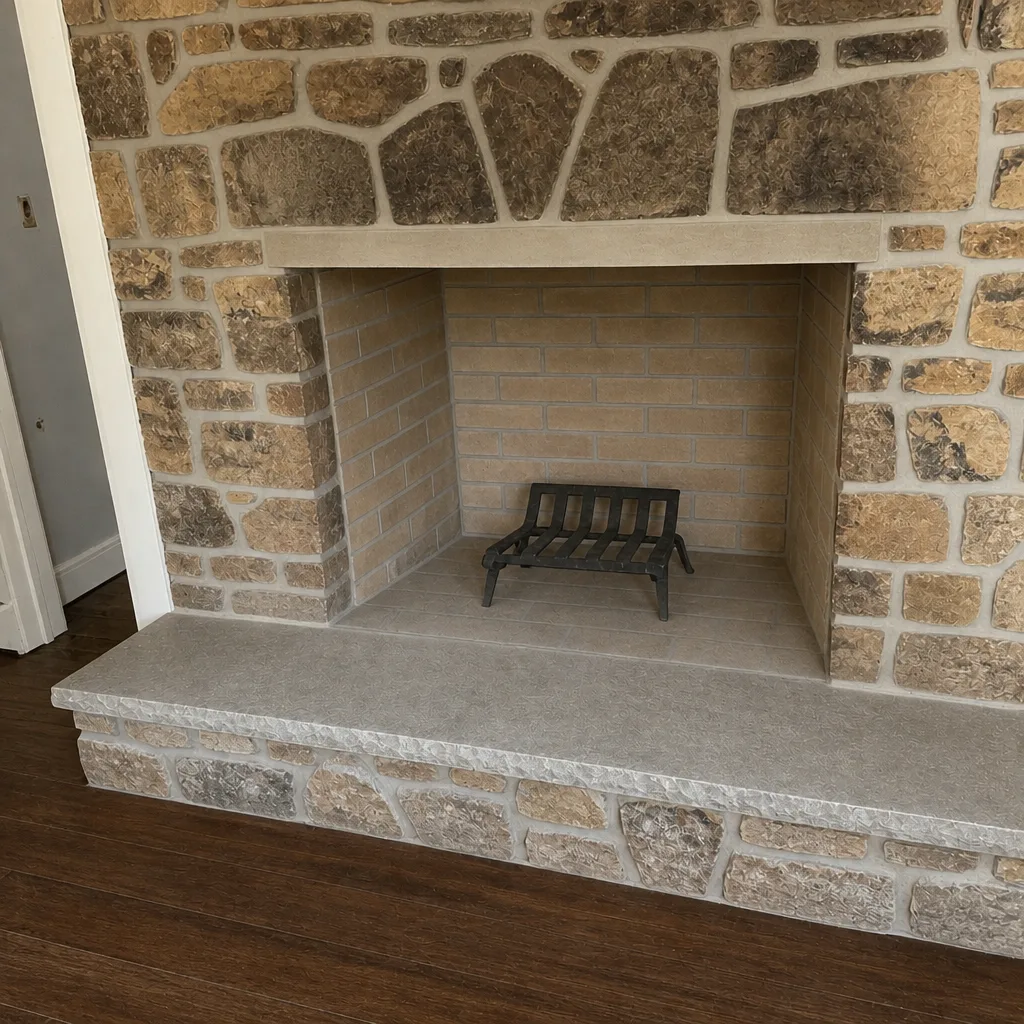
See the difference
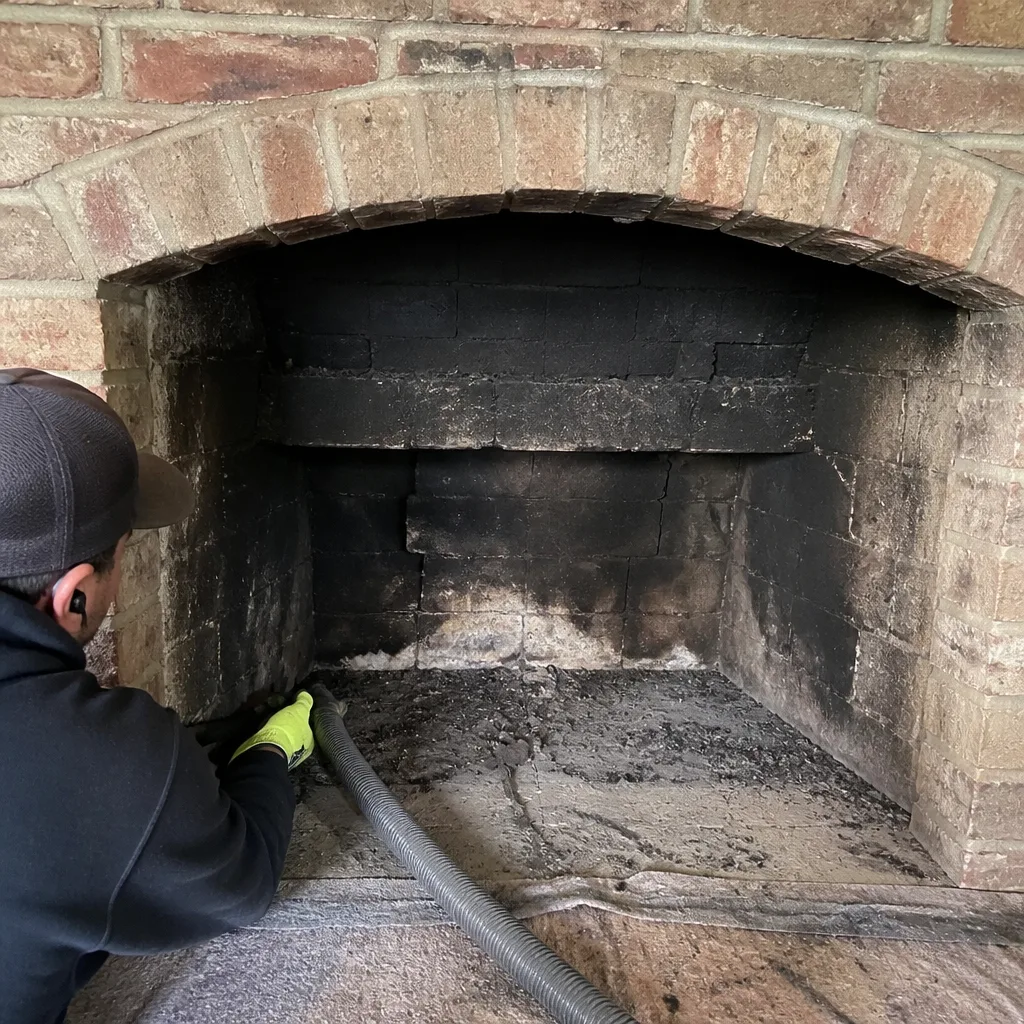 Before
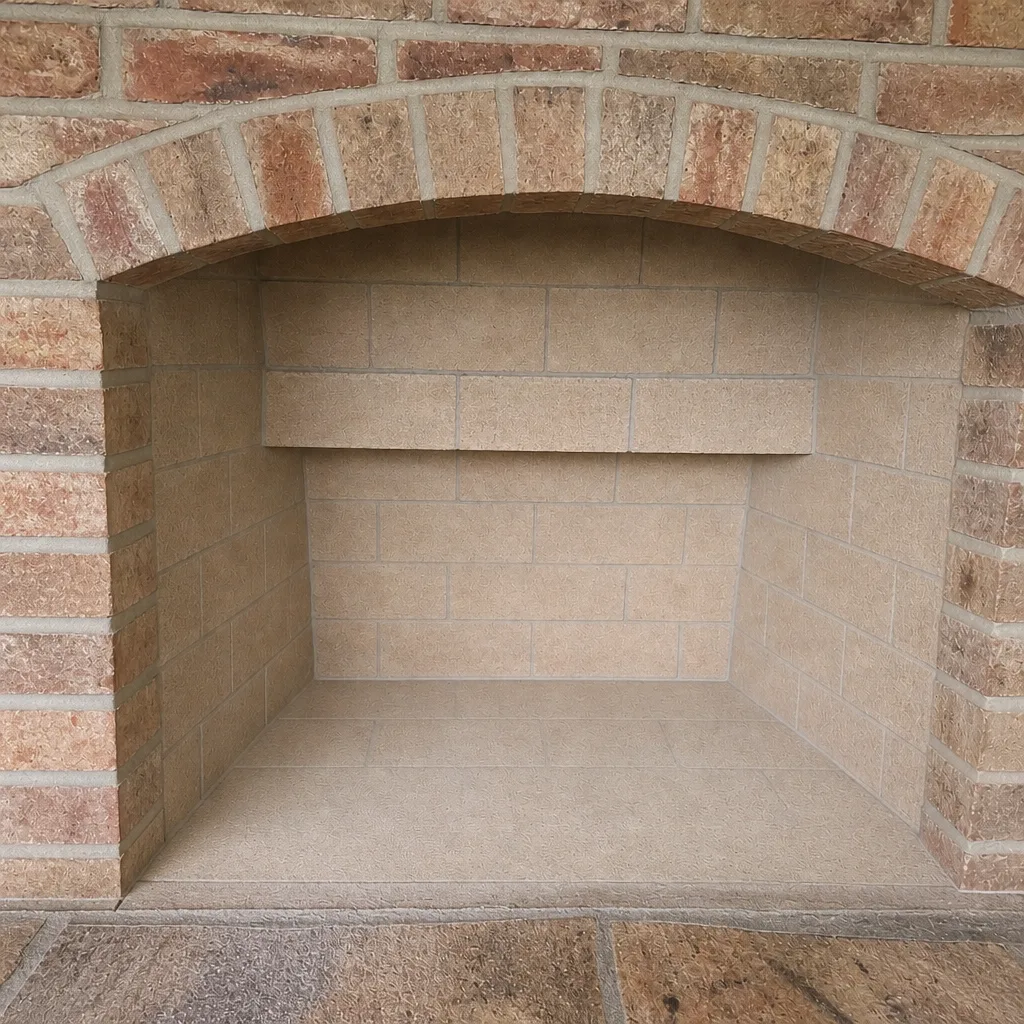 After
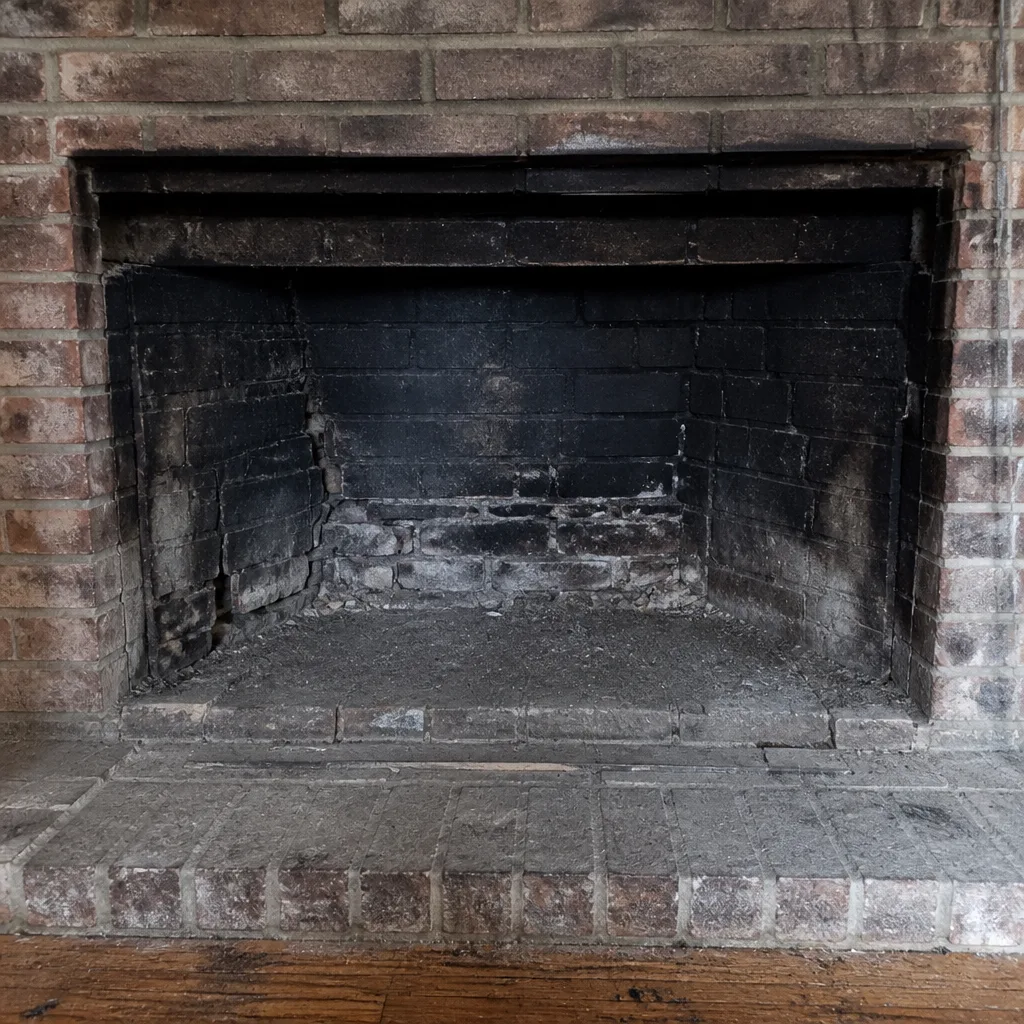 Before
 After
 Before
 After
Frequently Asked Questions
Roughly once per cord of wood burned, and always before a new burn season starts. East Nashville’s compressed, sometimes mild burn season means many households need less frequent sweeping than a fixed schedule would suggest. Let an inspection and your actual burn volume set the timing. Call (877) 792-5705 for an exact quote – estimates are free.
Creosote builds up in the flue, and heavy or glazed creosote is what fuels a chimney fire. Over a humid East Nashville summer, that residue can also absorb moisture and become harder to remove. Skipping a sweep doesn’t make a fire more likely overnight, but it does leave a risk sitting in the flue month after month. Call (877) 792-5705 for an exact quote – estimates are free.
Sweep in spring, once burning stops. Leaving soot and creosote through Nashville’s humid months lets moisture interact with the buildup and makes a pest entry point out of a dirty firebox. A spring sweep and close-out sets up a cleaner fall. Call (877) 792-5705 for an exact quote – estimates are free.
No. A mild winter doesn’t stop moisture, insects, or animals from moving into a chimney over the summer. The spring check is about the structure and the firebox, not just how much you burned. Call (877) 792-5705 for an exact quote – estimates are free.
Look for a missing or loose cap, cracks in the crown, damaged mortar at the roofline, and any water staining inside. If you see any of these, get an inspection before burning. Wind and ice do most of the damage here, and it’s usually out of sight. Call (877) 792-5705 for an exact quote – estimates are free.
Sometimes, yes. When the tile is deteriorating but not beyond repair, resurfacing with HeatShield can restore the flue without pulling a full liner. When the damage is more extensive, a flexible liner such as DuraFlex is the reliable fix. The right answer depends on what the inspection finds – and you’ll see the evidence before anything is recommended. Call (877) 792-5705 for an exact quote – estimates are free.
The Bottom Line
East Nashville’s weather doesn’t respect the four-season calendar most chimney advice assumes. Late frost means the burn season starts later and compresses, and mild winters tempt you to skip the spring work that actually protects the chimney. The better approach: sweep based on how much wood you’ve burned, close out the firebox in spring once burning stops, check the cap and crown before fall and after any storm, and have the flue inspected annually. That’s what catches the small problems – a cracked crown, a loose cap – before they become water damage. When you’d rather have someone confirm what you can’t see, we’re here for it.
Contact
If you want a straight answer on whether your East Nashville chimney needs a sweep, a cap, or a crown repair before the next burn season, call (877) 792-5705 for a free estimate. We answer 24/7. Fast dispatch from 7am to 7pm, Sunday through Friday. Our technicians have up to 14 years of experience, and every job – from a routine sweep to fireplace repair – is handled by people whose whole trade is chimneys. For a full overview of our services, start with Chimney Sweep East Nashville.
Written by the team at Chimney Sweep East Nashville.