
Last updated November 24, 2026
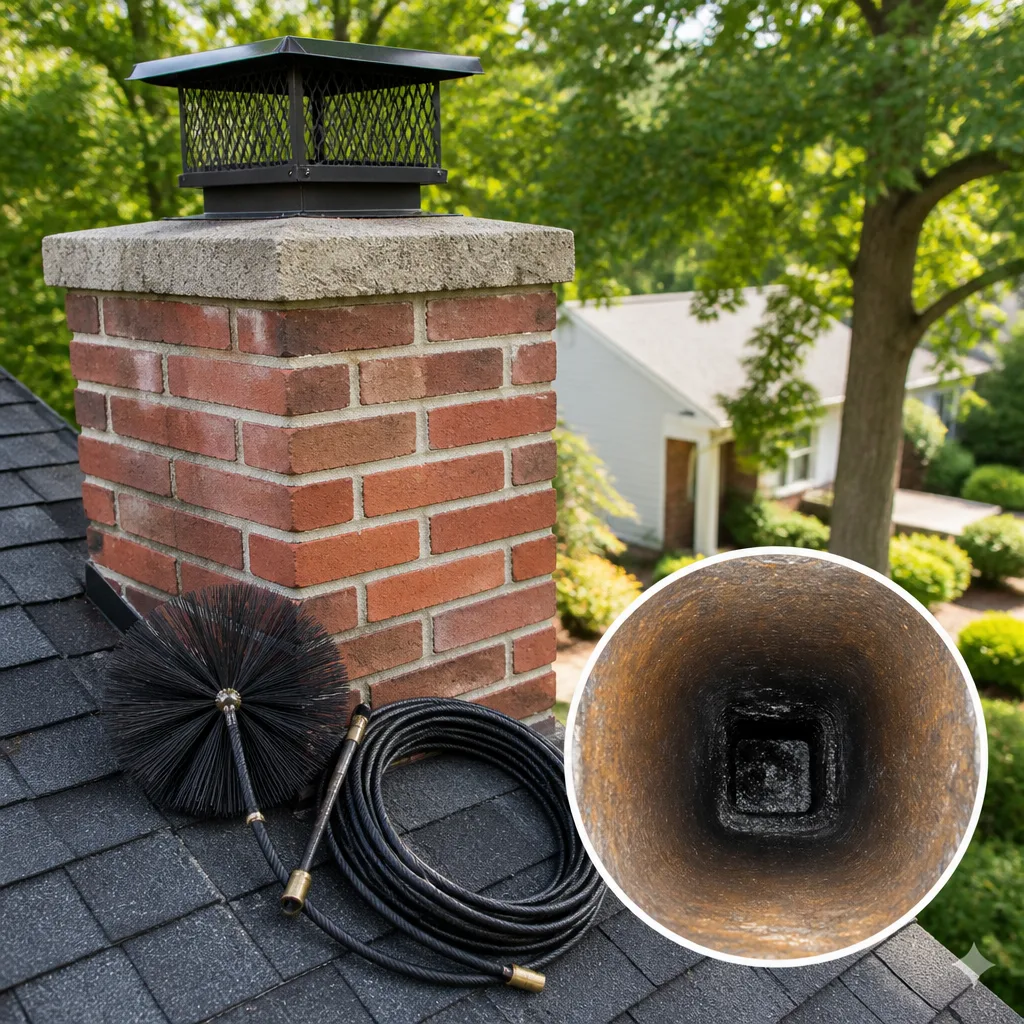 Sweep & inspection
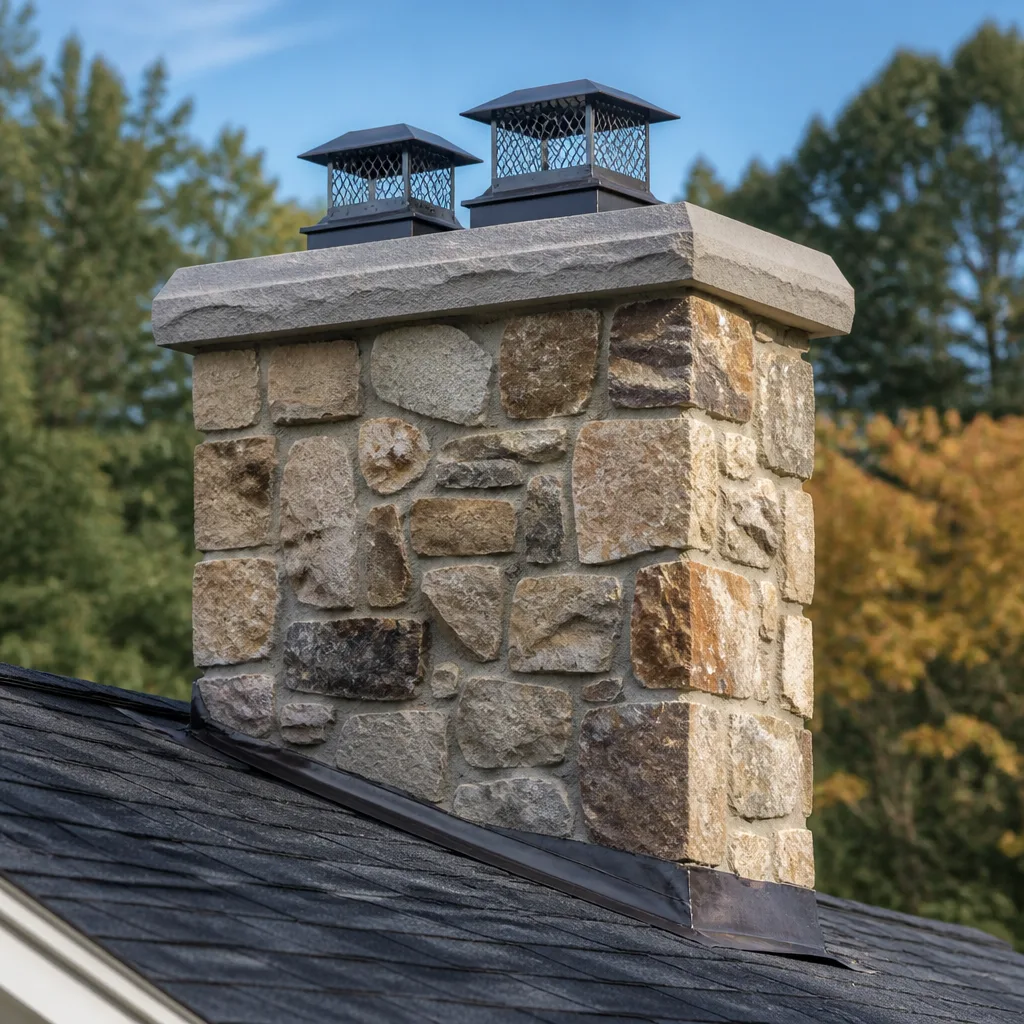 Caps & crowns
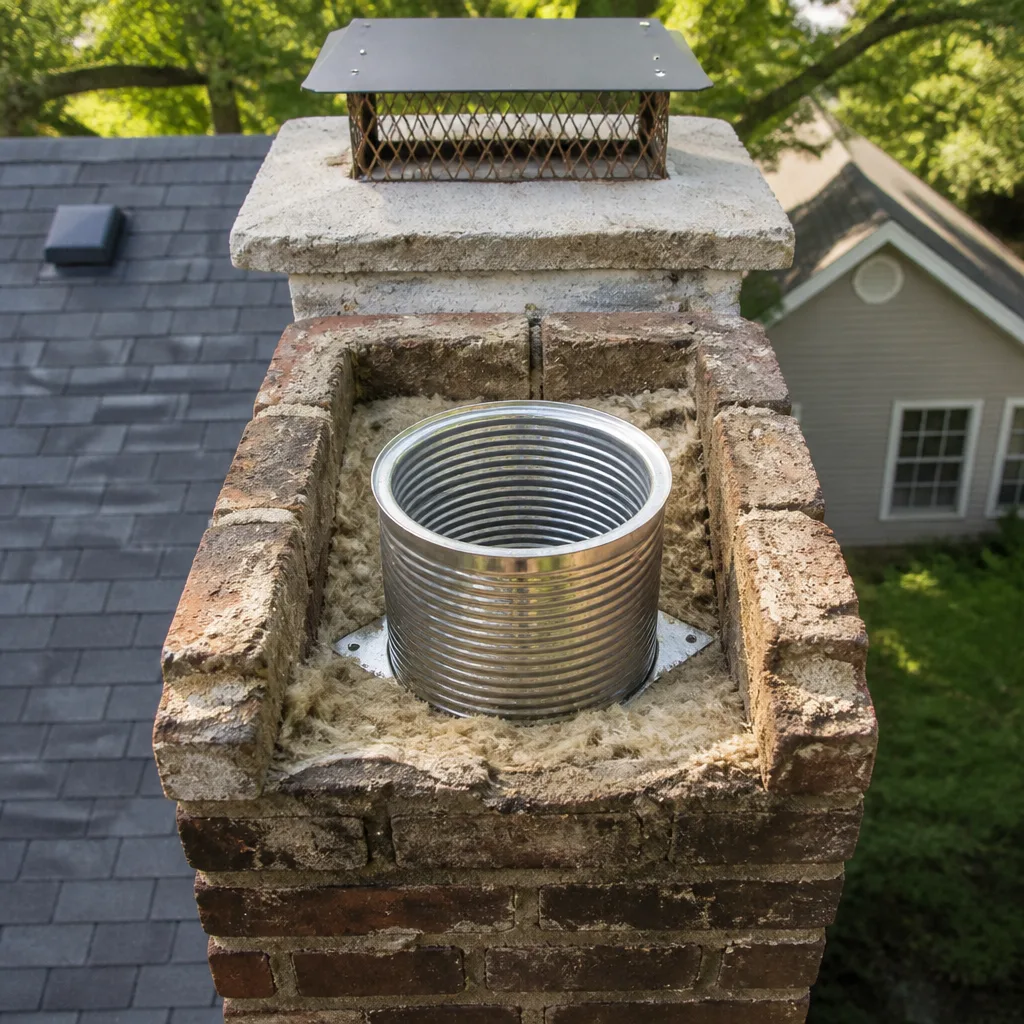 Flue relining
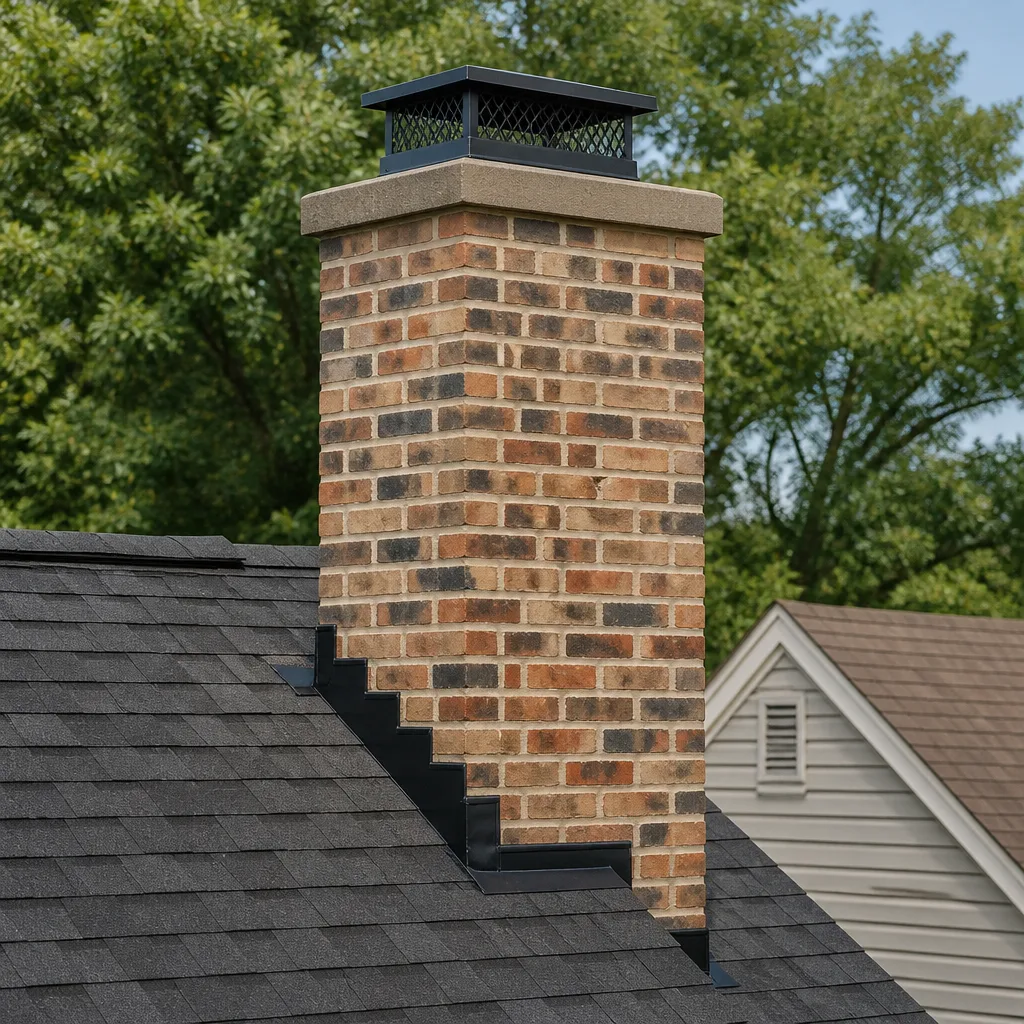 Masonry repair
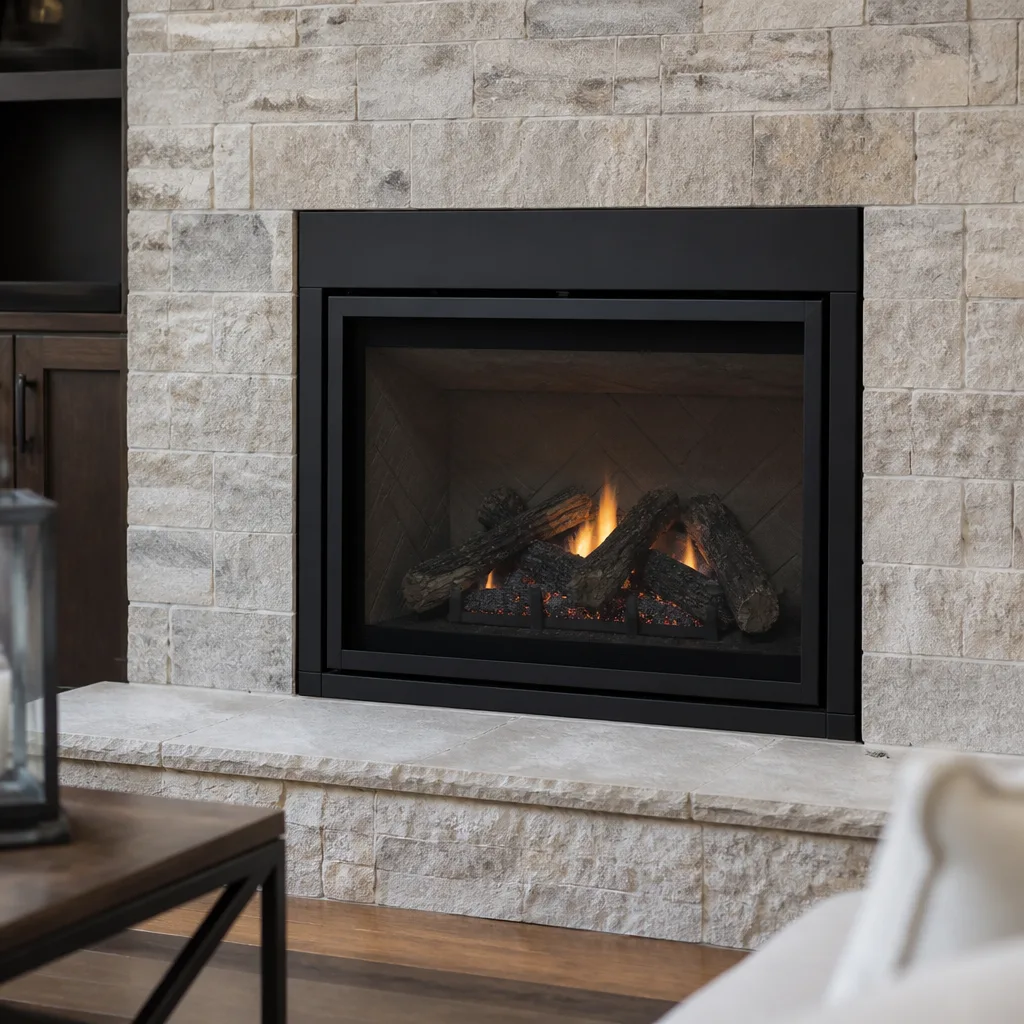 Gas fireplace service
Level 1 sweep and inspection to the NFPA 211 annual standard - flue, crown, cap, and flashing checked and photographed
Chimney sweep logs do not sweep chimneys. They loosen some creosote - which then falls where a brush and vacuum still have to collect it.
Chimney Cleaning Emergency Preparedness Guide for East Nashville Homes
A chimney fire doesn’t roar the way people expect. It sounds like a low-flying plane or a distant freight train, and inside the flue it can reach 2,000°F. Most homeowners who’ve been through one describe the same thing: several minutes of not understanding what they were hearing before it clicked. That’s the wrong moment to start looking for answers, because a chimney emergency rewards the person who already knows the sequence. This guide walks through the three emergencies that actually happen to East Nashville chimneys – fire, carbon monoxide, and storm damage – and gives you the response plan before you need it. Prevention comes first. The response comes second. Both belong in your head now.
Quick Answer
If you have an active chimney fire, call 911 first, get everyone out of the house, and don’t close the damper before the fire department arrives. If a carbon monoxide alarm sounds, leave the house and call 911, then call a chimney professional before you use the fireplace again. After any chimney fire or severe storm in East Nashville, the chimney needs a Level 2 inspection before the next burn, whether or not the fire looked like it put itself out.
Styles & brands we work with
- Sweep & inspection
- Caps & crowns
- Flue relining
- Masonry repair
- Gas fireplace service
Table of Contents
- What to Do in the First 60 Seconds of a Chimney Fire
- Why Closing the Damper Isn’t Always the First Move
- Carbon Monoxide Risks Specific to Chimney Systems
- Post-Storm Chimney Assessment in East Nashville
- What to Do After a Chimney Fire Self-Extinguishes
- What Every East Nashville Chimney Emergency Kit Needs
- Which Chimney Inspection You Actually Need
- Common Mistakes to Avoid
What to Do in the First 60 Seconds of a Chimney Fire
The first 60 seconds matter because they set the rest of the response in motion, and most people spend that minute trying to identify what they’re hearing. Here’s the sequence to run through without thinking.
- Get everyone out of the house. Not out of the room – out of the structure. A chimney fire that breaches the flue can set the framing around it alight, and the framing is behind the wall where you can’t see it. Call 911 from outside or from a neighbor’s.
- Close the fireplace doors or glass screen if you have them. This contains embers and sparks on the hearth side. Skip this if it means standing near a fire that has already moved beyond the firebox.
- Don’t throw water on it. Water on a fire inside a hot firebox can crack firebrick or cast iron and can cause an explosive steam event. A chimney fire is inside the flue, out of reach of anything you could pour.
- Note what you’re seeing and hearing. Once you’ve called 911, whatever details you can give – roaring sound, sparks from the top of the chimney, black smoke, heat on the chimney exterior – help the fire department decide what to do on arrival.
- Tell the fire department if the chimney hasn’t been swept recently. That changes what they expect to find. Most chimney fires in East Nashville homes trace back to a heavy creosote load, and the fire crew will treat a known-creosote chimney differently.
Most of the stories we hear from homeowners don’t involve the fire burning long enough to do serious structural damage. They involve someone piling firewood on to try to drown the fire, or someone closing the damper because it seemed like the safest thing to do, which it can be, but not always and not first. Call 911. Get out. Let trained people manage the fire from the flue side. Our technicians have up to 14 years of experience, and the detailed inspections we run after a chimney fire are where we find the actual damage – cracked tiles, warped liners, damaged caps – regardless of how the fire looked from the living room.
Why Closing the Damper Isn’t Always the First Move
Closing the damper cuts the air supply to a chimney fire, and less air means less fire. That’s the logic, and it works – in some cases. The problem is what the logic misses. A chimney fire is burning inside a flue that has already been heated by the fire below. Starving it of oxygen reduces the flame but doesn’t necessarily cool the structure, and it can push smoke and carbon monoxide back into the house if the fire has already created pressure above the damper.
Here’s how it breaks down in practice:
- Close the damper if the fire is contained and you can do it safely. A small, short-lived chimney fire – the kind that flares when fresh wood hits a hot bed of coals – responds well to cutting air. This is a case where closing the damper helps.
- Don’t close the damper if you can’t reach it without standing near active flames or intense heat. The damper handle is at the firebox opening. If the fire is roaring, the firebox is the most dangerous place in the house.
- Don’t close the damper if you’re not sure what you’re dealing with. If the sound is continuous and loud, if you’re seeing sparks at the top of the chimney, or if you see glowing metal, this is a fire that needs the fire department, and they should tell you when to close the damper.
- Never close a damper if smoke or CO is filling the room. Cutting the damper can trap combustion gases in the flue or route them back inside. Get out instead.
The key point is this: the damper is a control, not a solution. The solution to a chimney fire is a fire department that arrives, a chimney professional who inspects afterward, and a flue liner that’s still sound. Our inspections are built around finding the difference between a chimney that took a small fire in stride and one that needs repair before it’s used again. The brands we work with – DuraFlex, HeatShield, Copperfield – exist because the industry has spent decades figuring out how to bring damaged flues back into safe service, and the right answer depends on what the inspection finds.
Carbon Monoxide Risks Specific to Chimney Systems
Most carbon monoxide conversations center on furnaces and water heaters. Chimney systems cause a particular class of CO events that call for their own playbook, and the first thing to understand is that not all CO events are the same problem.
Appliance malfunction CO happens when the fuel-burning equipment itself is generating too much carbon monoxide – a gas fireplace insert with a blocked burner, a furnace with a cracked heat exchanger, a water heater with a dirty burner. The chimney is doing its job and carrying the CO up and out. The fix is at the appliance, not the chimney.
Backdraft CO happens when the chimney isn’t drawing, so combustion gases that should be going up the flue spill into the room instead. This is the cause that chimney systems own. Common reasons in East Nashville homes:
- A blocked flue – nests, debris, or a cracked tile that has fallen into the liner.
- A chimney that’s been closed off at the top – a missing cap that became a nest entrance, or a chimney cap that’s collapsed into the flue.
- Exterior masonry chimneys on older homes that run up the outside of the house and stay cold through the winter. A cold flue doesn’t draft, and a flue that doesn’t draft spills.
- Negative pressure in a tightly sealed house – exhaust fans, dryer vents, and kitchen hoods pulling air out faster than the house can replace it, which pulls air down the chimney instead of up.
- A flue that’s oversized for the appliance. A large flue on a small gas insert never warms enough to draft properly, and the smoke has nowhere to go but the room.
The source of the CO changes the solution, and that’s why a CO event needs a chimney inspection, not just a call to the gas company. If the chimney is the cause, a chimney professional needs to find it. If the appliance is the cause, the chimney inspection clears the flue and the appliance tech takes over. The equipment matters here too: a resurfaced flue in HeatShield or a properly sized DuraFlex liner functionally changes how a chimney drafts, which is why the repair we recommend after a CO event is often a chimney fix and not an appliance fix. If you smell combustion gases or a CO alarm sounds, leave the house and call 911. Get the plan right with the chimney after everyone is safe.
Post-Storm Chimney Assessment in East Nashville
East Nashville sits in a part of Tennessee that sees severe weather year-round, and the storms that move through frequently bring the kind of winds that chimneys don’t like. What makes a storm different from a chimney fire is that the damage often isn’t visible from inside the house. A masonry chimney that took a glancing blow can look fine from the living room and be holding water at the crown, or have a loosened cap, or have a cracked flue tile that’s just been sitting there since the storm passed.
After a severe weather event, do a walk-around on the outside of the house and check the following. Take photos. Then decide what can wait and what can’t.
- Is the chimney standing? Look for leaning. A masonry chimney that’s leaning away from the house needs no-burn status immediately and a professional on site.
- Is the cap and crown intact? The crown is the concrete slab on top of the chimney. A cracked or missing crown lets water into the flue from above, which is the leading cause of chimney deterioration in our area. The cap covers the flue opening. If the cap is gone or dangling, the next rain is going straight down the liner.
- Is there debris in the firebox? Masonry that came off the exterior can fall into the flue, and the flue that had a tile crack that was already there can now be a flue with a piece of the tile lodged in it. Don’t burn until somebody has looked inside.
- Are there cracks in the masonry or the mortar joints? Cracks in the crown and visible joints are the water entry points. They may not be an immediate emergency, but they’re going to become one across a few freeze-thaw cycles.
- Is the chimney attached to the house? A gap between the chimney and the roof line is a flashing issue that can let water into the roof structure. That’s not a chimney fix, but it’s a chimney call.
Here’s the rough cutoff. If the chimney is leaning, if there’s visible structural damage, or if the cap and crown are gone or collapsed, that’s no-burn status – don’t use the fireplace until a professional has inspected it. If the damage is cosmetic or limited to hairline mortar cracks, it can wait for a scheduled visit, but it shouldn’t wait through a full winter. A post-storm walk-around is part of the seasonal rhythm for East Nashville homeowners, and having a clear “what waits, what doesn’t” list saves backtracking later.
What to Do After a Chimney Fire Self-Extinguishes
A chimney fire that appears to put itself out is the most dangerous kind, because nothing about the scene signals to the homeowner that the chimney is now a different chimney than it was an hour ago. The fire doesn’t have to be visible to have cracked a flue tile, warped a liner, or damaged the cap. It also doesn’t have to be visible to have set up conditions that make the next fire worse.
What needs to happen afterward, in order:
- Do not use the fireplace or wood stove until a professional inspects the chimney. This isn’t optional. A fire in the flue accelerates glaze formation on creosote that was already there, and the next chimney fire – including on a chimney that just had one – can be hotter and faster than the first.
- Schedule a Level 2 inspection. This is the inspection with a camera. A Level 1 visual inspection won’t see the interior flue surfaces. A Level 2 inspection is the level the industry uses after a fire, a storm, or any change in how the chimney runs.
- Get a written report with photos. You need documentation, both for yourself and for any insurance claim. The report should record what the fire damaged, the condition of the tiles or liner before and after, and what the recommended repair is.
- Consider the chimney cap and crown. A fire that reached the top of the flue can damage the cap and crown. If either failed, water will follow, and water in the flue is a separate repair that compounds the first.
- Talk to your insurer before you book the repair, not after. Tennessee insurance claims for chimney fires generally depend on documented inspection findings, so the report comes first. The repair scope and the claim scope need to line up.
We’ve seen the pattern enough times to know that most chimney fires in East Nashville homes break one of two specific materials: the flue tiles themselves, or the mortar joints between them. Both are addressable with HeatShield resurfacing in many cases, and both need a full DuraFlex liner in others. The inspection tells you which, and the inspection is what you schedule first. Our technicians have up to 14 years of experience with these exact repairs, and the inspection findings are the starting point for every one of them.
What Every East Nashville Chimney Emergency Kit Needs
Everything below belongs in the house before you need it, and none of it is expensive. The point of the kit is that you’re never deciding what to buy while the emergency is happening.
- Carbon monoxide detectors with correct placement. The most common mistake is putting a CO alarm near the fireplace. CO mixes through the air in the home, so the alarm belongs near where people sleep – the hallway outside bedrooms is the standard placement. Put one on each floor where anyone sleeps, and check the battery on a regular schedule.
- A dry chemical extinguisher rated for Class A and B fires. This is for the hearth and the surrounding room, never for the flue. Nobody puts out a chimney fire from inside the house with an extinguisher. They use it if flames escape the firebox.
- A chimney fire suppressant product. These come in a few forms – a stick or pouch that’s tossed into the firebox, or a powder you throw into the fire. They work by choking the fire, and they’re worth having on hand. They’re also not a substitute for calling 911. Use the suppressant and still call the fire department.
- The chimney professional’s number, saved in your phone under a name you’ll recognize. “Chimney” or the company name. When something is wrong, you don’t want to be scrolling through search results. Chimney Sweep East Nashville is at (877) 792-5705. We answer 24/7.
- A fire department number saved separately. 911 works. Save the non-emergency line too, because some chimney situations fall into the “should I call” category, and the non-emergency line is where to sort that out.
- A flashlight that lives near the fireplace, not in a drawer. If the power goes out during a storm, you’ll want it without searching.
- Your inspection records. A folder or a digital file with the last inspection report and any repair receipts. This is what an insurer asks for first.
The kit doesn’t need to live in a plastic tub in the hallway. It needs the CO alarms installed, the extinguisher charged, and the numbers saved. That’s the whole thing. The other items – the suppressant, the flashlight – are a single trip to any hardware store in East Nashville away.
Which Chimney Inspection You Actually Need
The word “inspection” gets used three different ways in this trade, and the reason it matters is that a Level 1 inspection and a Level 2 inspection answer different questions. Choosing the wrong one is the most expensive mistake a homeowner can make in a chimney emergency.
- Level 1 inspection. The technician inspects the easily accessible portions of the chimney, the firebox, and the exterior from the ground. No camera. This is the right inspection for an annual check on a chimney with no known problems and no recent events. It’s the lightest inspection we offer.
- Level 2 inspection. This is the camera inspection. The technician runs a camera up the flue and sees the interior surfaces of the tiles or liner. It’s required after a chimney fire, a storm, a change in fuel type, or a change in how the appliance runs – and it’s what we schedule whenever the question is “is this chimney actually okay.” A Level 2 inspection also documents findings with photos and a written report, which is what the insurer needs.
- Level 3 inspection. This is the inspection that goes into the structure. Walls come open. This is rare, and it’s for cases where the Level 1 and Level 2 findings suggest something is hidden behind the masonry.
After a chimney fire or a severe storm in East Nashville, the inspection you need is Level 2. There’s no useful shortcut, because a Level 1 inspection can’t see the interior damage that’s the whole reason you’re inspecting. If you schedule an inspection for the wrong reason and the wrong level shows up, you’ll end up scheduling the right one anyway, often after the fire has already damaged something further.
Our inspections include a camera inspection and a photo report as standard. The report is the record you keep, and it’s the record the repair scope is built from. We use DuraFlex liners when a flue needs relining, and HeatShield when a set of flue tiles can be resurfaced instead of relined. Both are decisions the camera findings drive, not the other way around. That’s the difference between a chimney specialist and a general contractor adding chimney work to a list of trades. Our technicians work exclusively in chimney systems, so every judgment call in the inspection is made by someone whose entire trade is chimneys.
Common Mistakes to Avoid
- Closing the damper without thinking it through. As we covered above, closing the damper sometimes helps and sometimes makes things worse. If you’re not sure, that’s the point where 911 makes the decision instead of you.
- Assuming a chimney fire that put itself out doesn’t need an inspection. A self-extinguished chimney fire does the same damage as one that burned longer, and it leaves behind the conditions for a hotter fire next time. Get the Level 2 inspection regardless.
- Burning the next fire before the chimney’s been inspected after a storm. A masonry chimney that has a cracked crown and a loosened cap has water entering the flue from above. That first fire after a storm is the one that finds the damage.
- Putting the CO alarm near the fireplace. The alarm belongs near where people sleep. A CO alarm three feet from the firebox is watching the room the fireplace is in, which is usually not where CO builds up to a dangerous level before people notice.
- Leaving the cap off through the fall or the winter. Caps keep rain, animals, and debris out of the flue. A missing cap in an East Nashville fall is an invitation for a nest to be built before the first fire of the season, and the first fire then burns the nest.
- Assuming the chimney fire is a maintenance problem and not a repair problem. A chimney fire that damaged the flue is a structural problem from that point forward. A sweep cleans the creosote, but it doesn’t repair a cracked tile, and a cracked tile that’s been swept is still a cracked tile.
- Skipping the inspection report because the fire was small. The written report is the record you hand to your insurer, and it’s also the document that tells the next technician what was seen and when. If you sell the house, it’s what the buyer’s inspector is asking for.
- Waiting to schedule an inspection because the chimney “seems fine.” The chimney that needed an inspection after the fire doesn’t usually announce itself. It looks fine from inside, and that’s why the inspection is the only way to know.
Each of these is avoidable, and none of them requires special equipment to prevent. A phone number, a scheduled inspection, and a plan is the whole preparedness list.
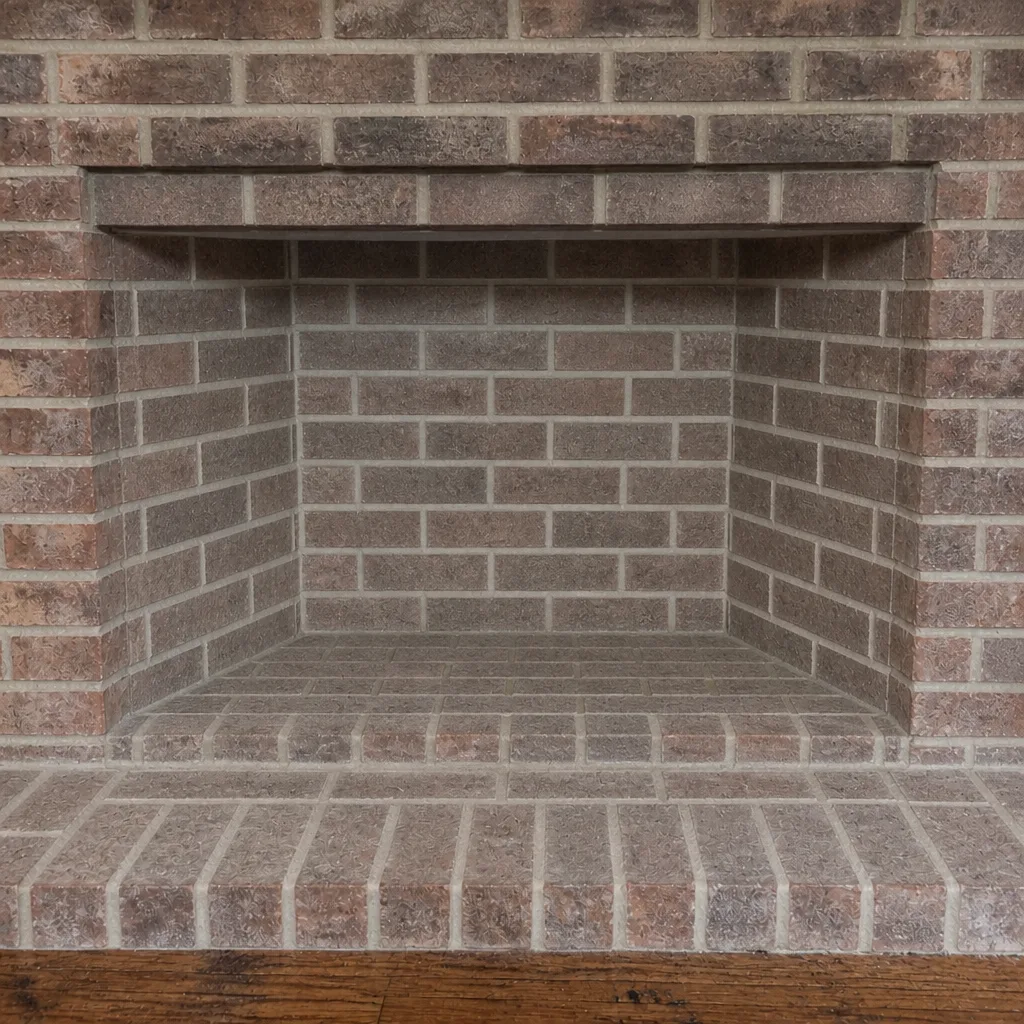
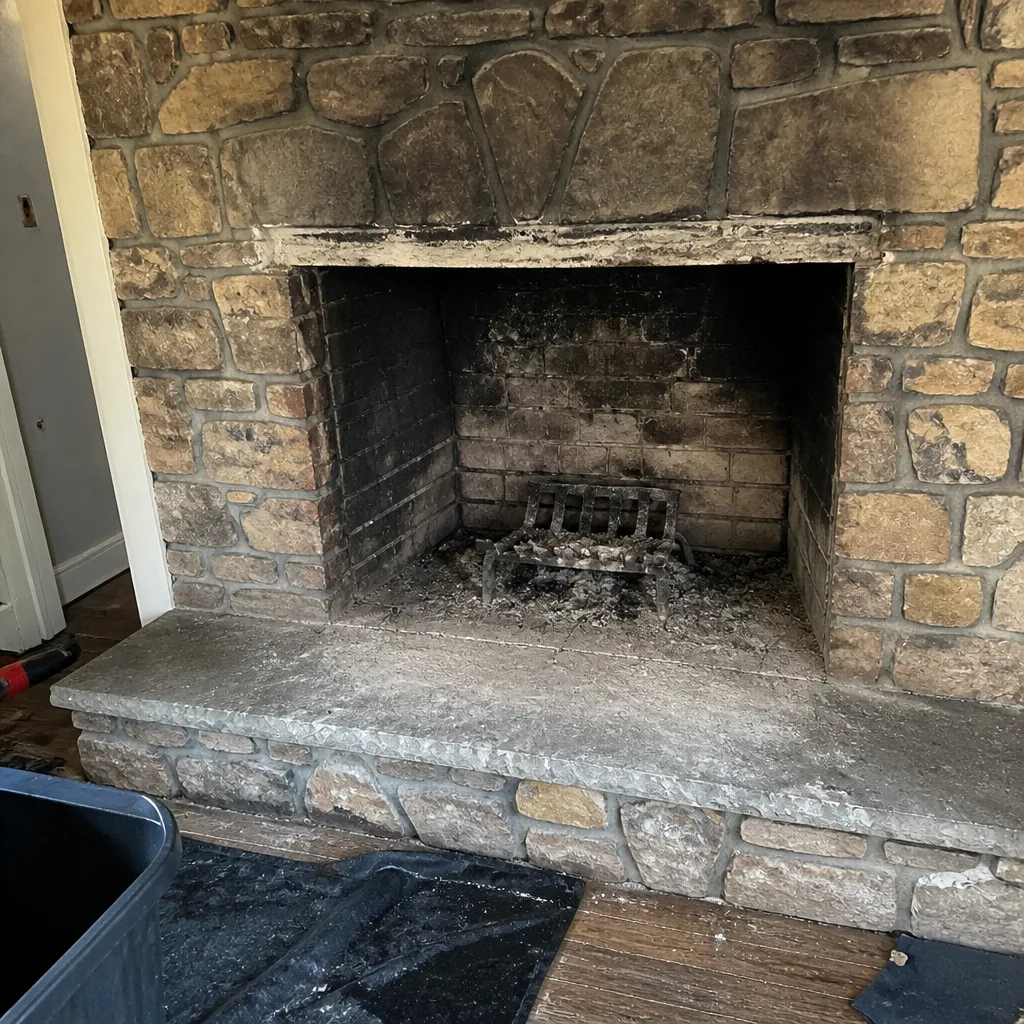
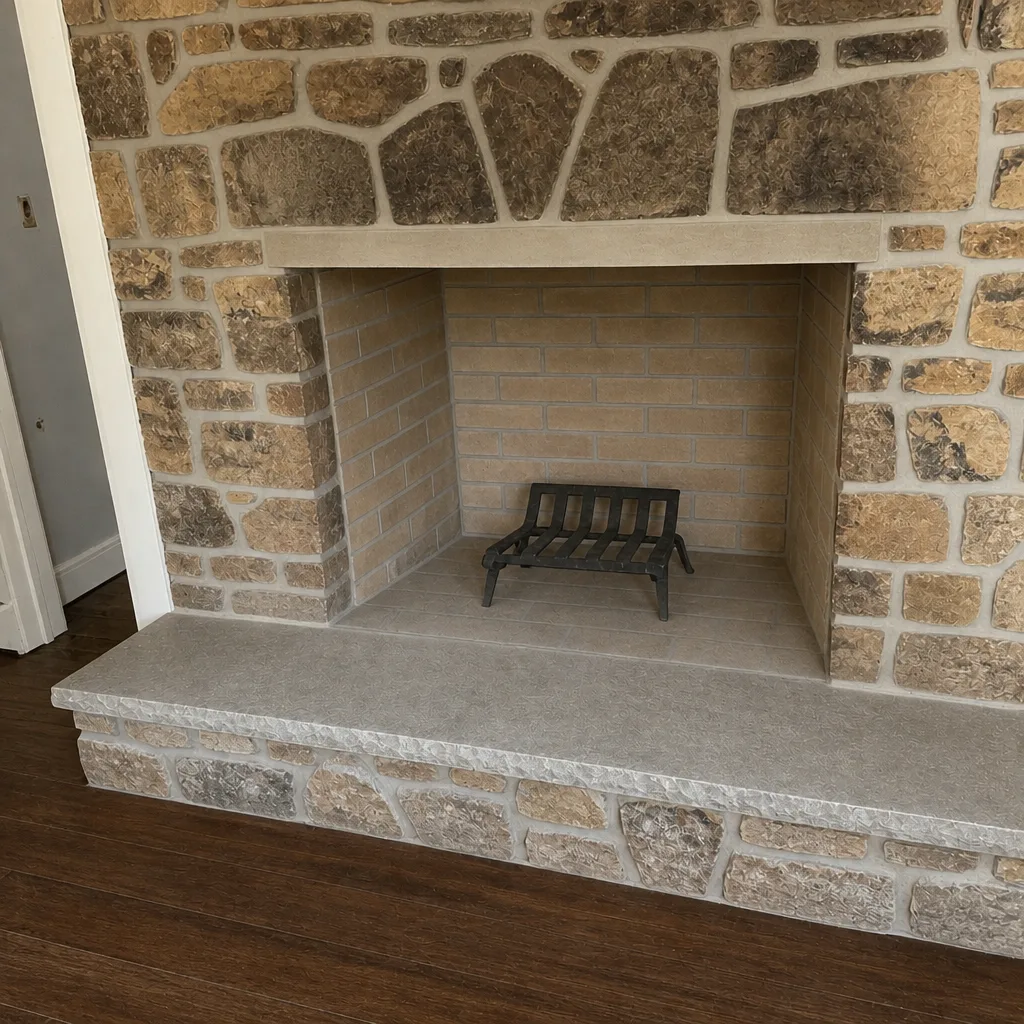
See the difference
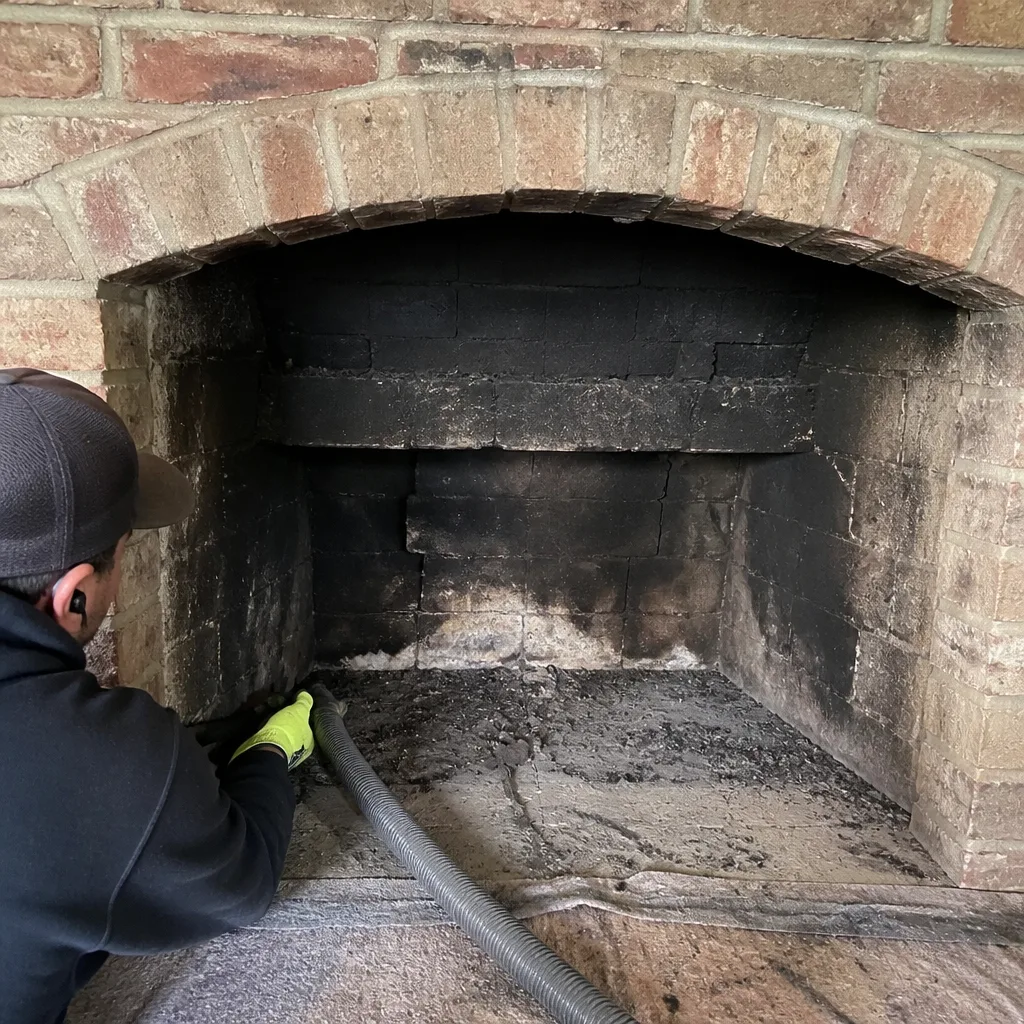 Before
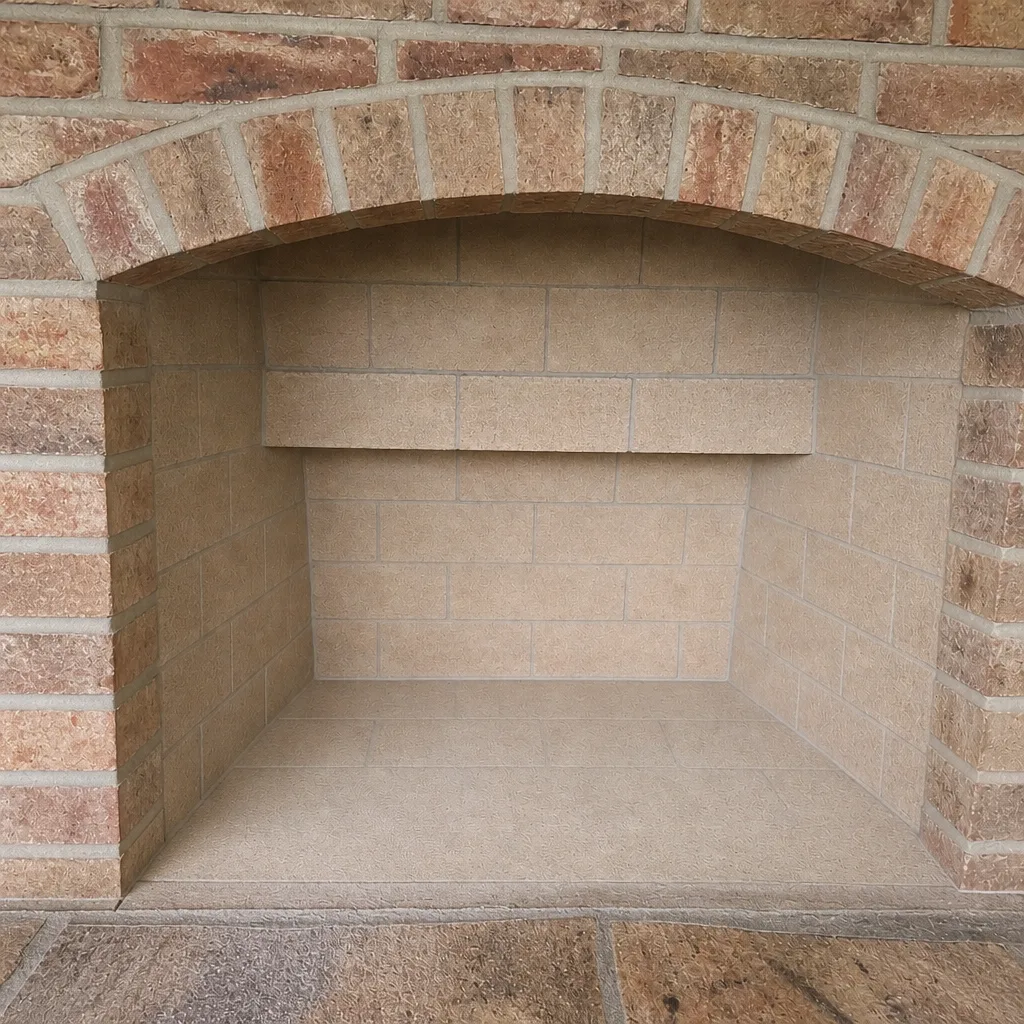 After
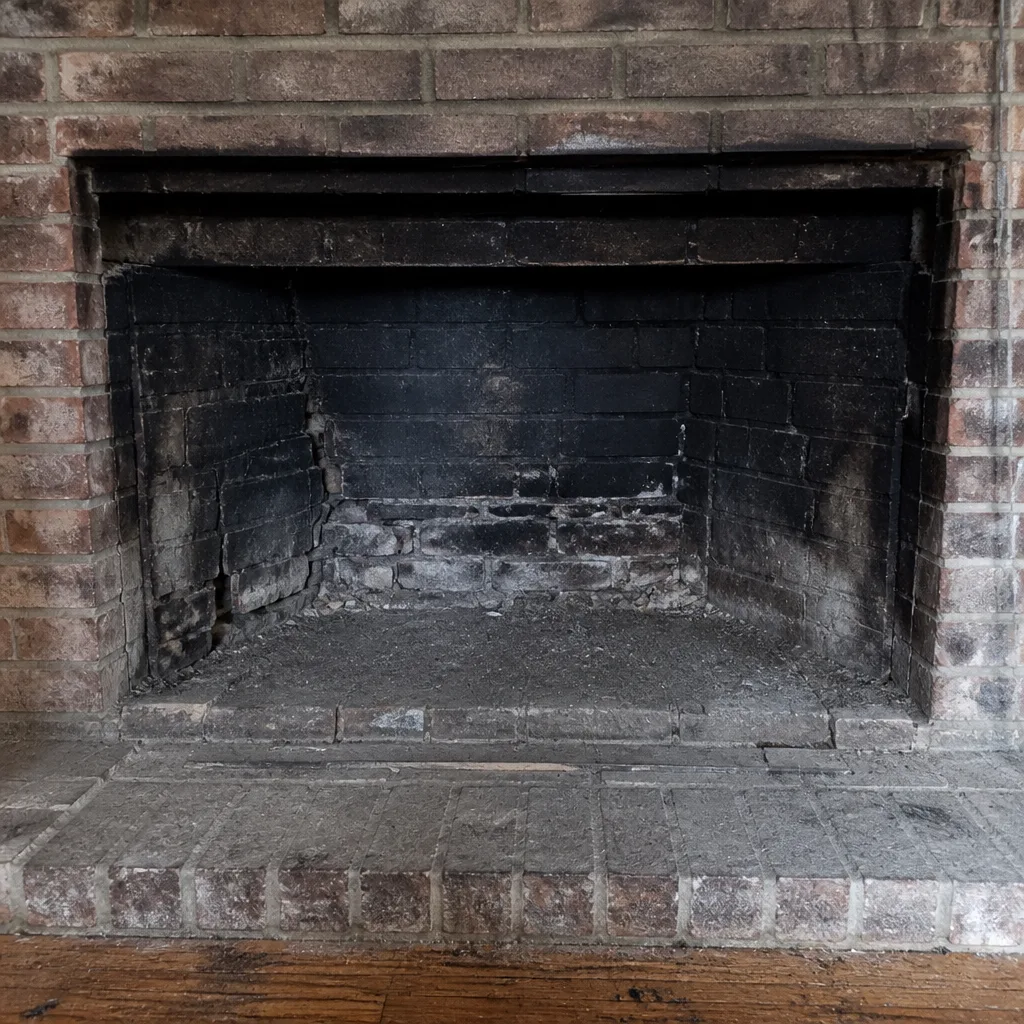 Before
 After
 Before
 After
When to Call a Professional
Call a chimney professional after any chimney fire, after any severe storm that involved high winds, if a CO alarm has sounded in the house, if you see cracked or damaged masonry on the chimney exterior, or if the cap and crown look compromised. Call if you smell smoke in the house when the fireplace isn’t burning, or if combustion gases back into the room when the fireplace is running. Call before the first fire of the season if the chimney hasn’t been swept since the last one.
Chimney Sweep East Nashville offers free estimates in East Nashville. We handle the full scope in-house – sweeps, inspections, cap and crown work, fireplace repair, and full chimney repair – so you’re not coordinating multiple contractors after a storm or a fire. Our technicians have up to 14 years of experience, and the estimate is free. Call (877) 792-5705. We answer 24/7. Fast dispatch from 7am to 7pm, Sunday through Friday.
Frequently Asked Questions
A standard sweep in East Nashville typically runs in the range of a routine maintenance visit, and the exact price depends on the flue configuration, the amount of creosote, and whether the chimney has multiple flues. The written estimate sets the final price and is provided before any work is booked. For a chimney that’s had a fire or a storm hit it, the right first step is an inspection, not a sweep, so ask for that when you call. Call (877) 792-5705 for a free estimate – estimates are free.
Not always. A chimney fire can crack flue tiles without necessarily requiring a full liner replacement, and HeatShield resurfacing brings many damaged flue tile systems back into service without relining. When the tiles are too far gone or the flue configuration requires it, a DuraFlex liner is the standard solution. The camera inspection is what tells you which case you’re in, and the findings are documented in a written report with photos so you’re not relying on anyone’s word. Call (877) 792-5705 for a free estimate – estimates are free.
The general industry guideline is once a year for a wood-burning fireplace that sees regular use, and more often if you burn heavily or burn unseasoned wood. A gas insert chimney has a different sweep interval, and the inspection findings should dictate the schedule. In East Nashville, we recommend an annual inspection as the baseline and a sweep as the inspection findings justify it, rather than a fixed sweep schedule that doesn’t account for how much you burn. Call (877) 792-5705 for a free estimate – estimates are free.
Creosote accumulates in the flue whether you notice it or not, and a thick enough creosote load is the fuel a chimney fire needs to reach the temperatures that damage flue tiles. Skipping the annual inspection doesn’t skip the risk; it just makes the damage harder to find until it’s structural. The cost of the inspection is small next to the cost of repairing a flue after a fire, and the inspection is what documents the condition for insurance purposes. Call (877) 792-5705 for a free estimate – estimates are free.
Get out of the house first, then call 911 if the smell is strong or there’s any question of a fire. Once everyone is safe and the situation is cleared by the fire department, the next call is to a chimney professional for a Level 2 inspection. A smoke smell with no fire often means a downdraft, a blocked flue, or negative pressure in the house pulling combustion gases inside, and that’s a chimney problem to diagnose. Call (877) 792-5705 for a free estimate – estimates are free.
No, not after every storm. After a severe weather event with high winds, do the exterior walk-around described above and take photos. If the chimney is leaning, if the cap and crown are gone, or if you see structural damage, that’s no-burn status and needs an immediate call. If the only findings are hairline mortar cracks or cosmetic issues, those can be addressed on a scheduled visit, though they shouldn’t sit through a full winter. Call (877) 792-5705 for a free estimate – estimates are free.
The Bottom Line
Chimney emergencies follow predictable patterns: chimney fires start from heavy creosote loads, carbon monoxide events trace back to draft problems, and storm damage enters through the crown and the cap. That predictability is good news, because it means the response and the prevention are both knowable in advance. Call 911 for an active fire or a CO alarm, then get to a chimney professional for a Level 2 inspection before the chimney is used again. Keep the extinguisher charged, the CO detectors near the bedrooms, and the number saved. The fireplace and the chimney behind it are safe when they’ve been inspected, swept, and repaired with materials that are built for the job. Everything in this guide is meant to be understood before the first emergency, in East Nashville or anywhere else.
Written by the team at Chimney Sweep East Nashville.