
Last updated November 24, 2026
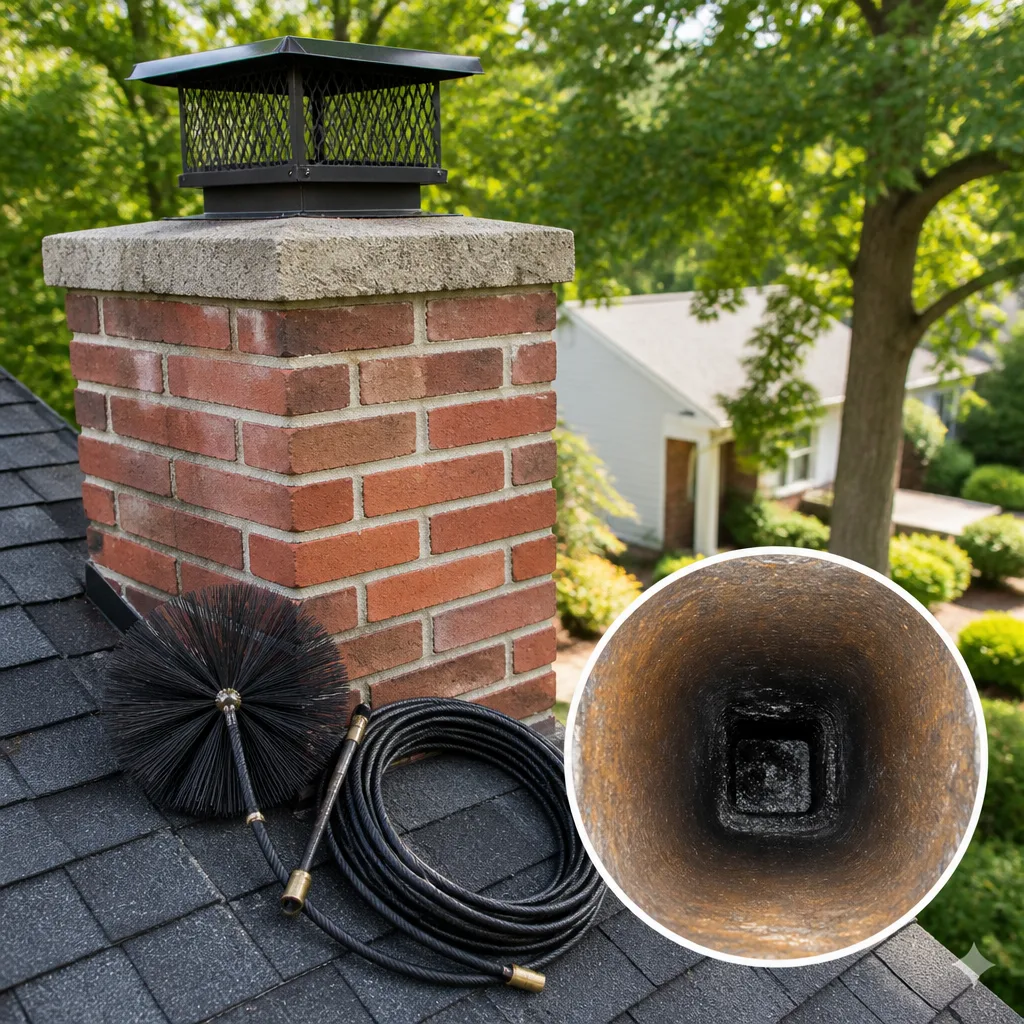 Sweep & inspection
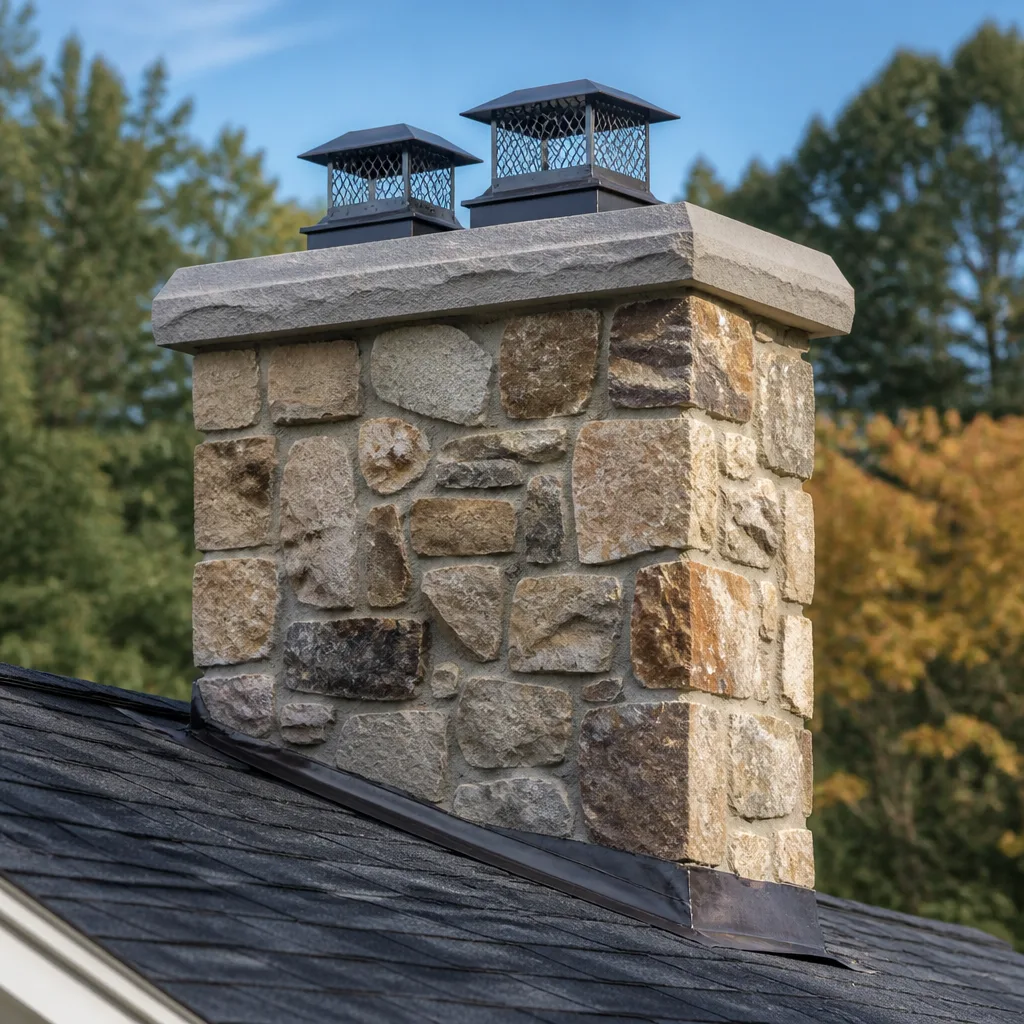 Caps & crowns
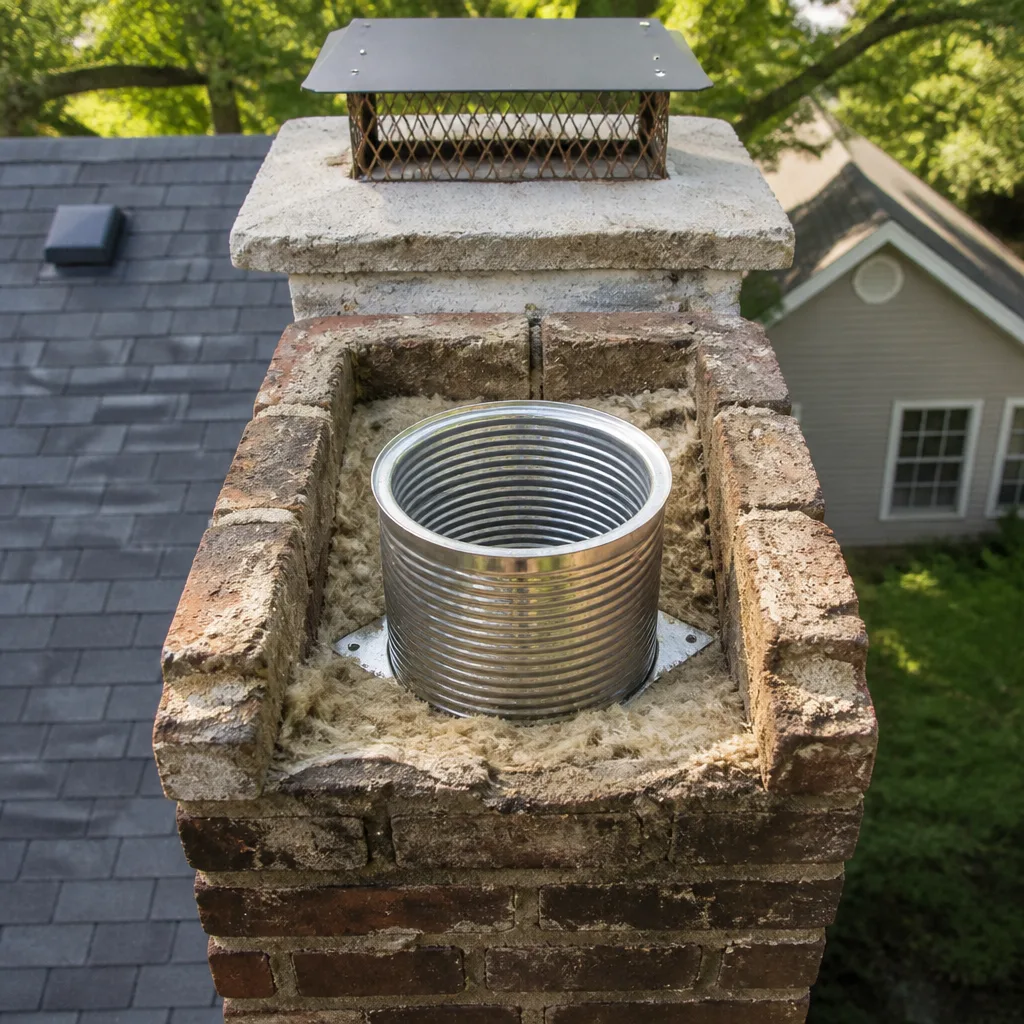 Flue relining
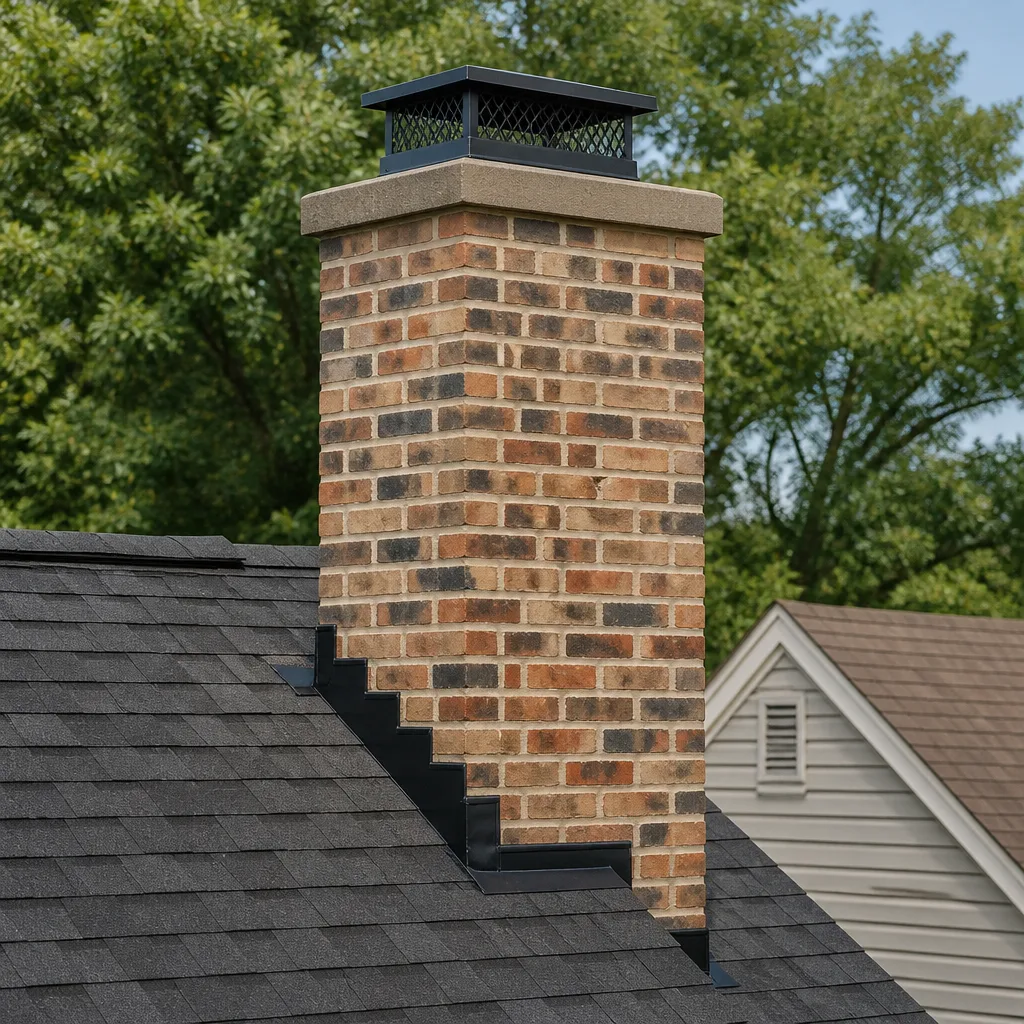 Masonry repair
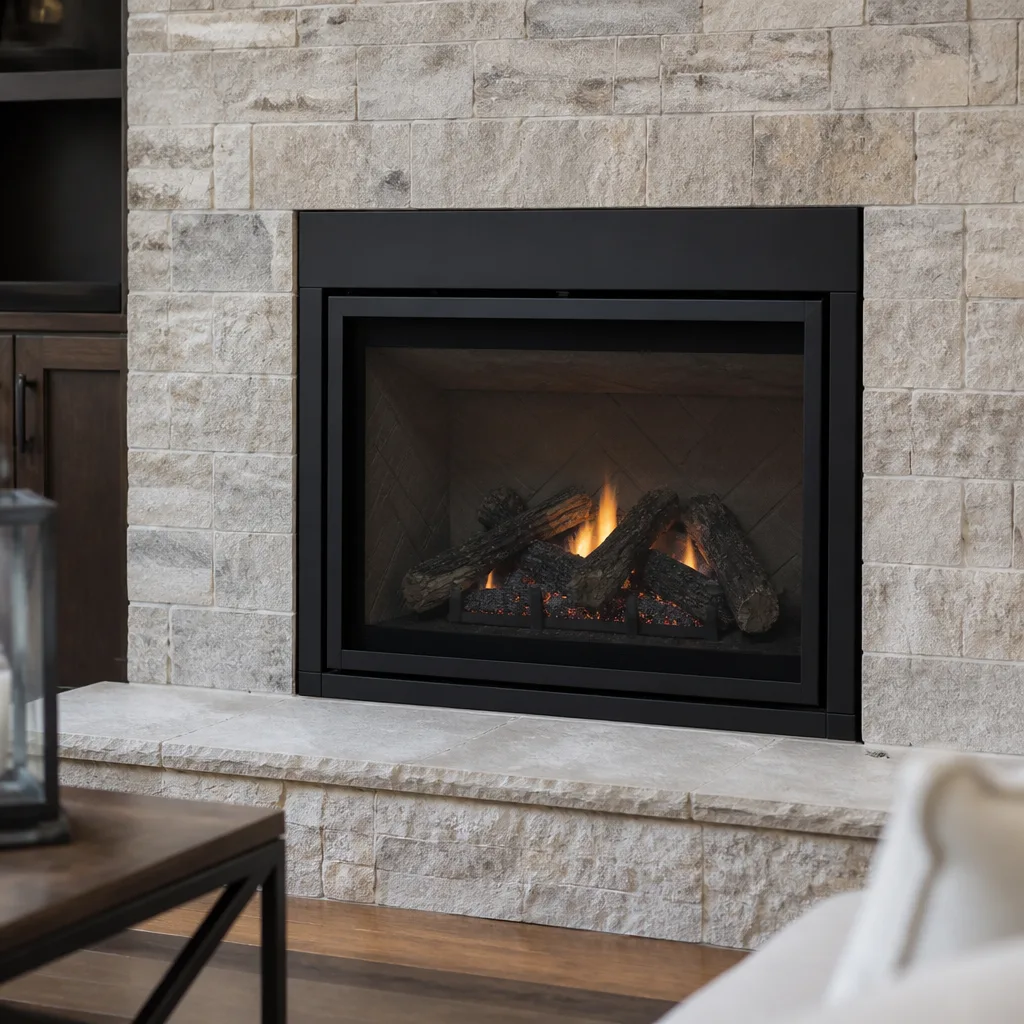 Gas fireplace service
Level 1 sweep and inspection to the NFPA 211 annual standard - flue, crown, cap, and flashing checked and photographed
Chimney sweep logs do not sweep chimneys. They loosen some creosote - which then falls where a brush and vacuum still have to collect it.
DIY vs Professional Chimney Cleaning: The East Nashville Homeowner’s Decision Guide
A brush kit from the home improvement store is built to knock loose first-degree creosote, the thin flaky stage that forms after a handful of fires. But by the time most chimneys in East Nashville actually need attention, the deposits have moved past that stage into sticky, glazed second-degree creosote that a nylon brush smears around more than it removes. That gap between what a kit is designed for and what your flue actually holds is the whole argument in one sentence. This guide walks through what DIY cleaning can and can’t reach, where the tool difference matters, when doing it yourself is genuinely sensible, and how to use between-season checks so your professional sweep lands on the parts that need a pro.
Quick Answer
DIY chimney cleaning works for light first-degree creosote, gas log sets, and decorative fireplaces that see no active burning. It does not safely or fully clean a wood-burning flue with heavier deposits, and it can’t reach the smoke chamber or the area above the smoke shelf where the real fire risk accumulates. For an actively used wood fireplace in East Nashville, a professional sweep with rotary tooling and a camera is the only way to know the flue is actually clean.
Styles & brands we work with
- Sweep & inspection
- Caps & crowns
- Flue relining
- Masonry repair
- Gas fireplace service
Table of Contents
- What DIY Brush Kits Can and Can’t Reach Inside Your Chimney
- The Real Safety Case Against DIY (It Isn’t the Ladder)
- When DIY Chimney Maintenance in East Nashville Genuinely Makes Sense
- The Tool Gap: What a Professional Actually Carries
- How a Professional Sweep Actually Works, Step by Step
- How to Use DIY Between-Season Checks Productively
- Why East Nashville Chimneys Face Specific Conditions
- What Cleaning Costs and Why the Tooling Explains It
What DIY Brush Kits Can and Can’t Reach Inside Your Chimney
A chimney is not a straight pipe. It’s a system with a firebox, a damper, a smoke shelf, a smoke chamber, and a flue, and each part collects creosote differently. A homeowner with a brush on a flexible rod can usually work the straight run of the flue. The trouble starts at the transitions, and those transitions are where fires begin.
Here’s what a DIY brush kit can physically accomplish:
- Loose soot and light, flaky first-degree creosote on the flue walls it can reach
- Surface dust knocked down from the firebox
- Debris removal at the very bottom of the flue it can access
And here’s what it typically can’t:
- Above the smoke shelf. The smoke shelf sits just behind the damper and creates an offset a straight rod can’t navigate cleanly. Creosote builds up in the pocket behind it, and it stays there.
- The smoke chamber. This is the tapered space between the damper and the flue, and its angled walls collect heavy deposits. A brush passes through the middle and leaves the corners untouched.
- Glazed second- and third-degree creosote. This is the hardened, tar-like stage that bonds to the tile. A brush skates over it, and in some cases polishes it into a shinier, more combustible surface.
- Offsets and turns in the flue. Any flue with a bend, a break in the tile, or a liner transition needs flexible rotary tooling a hand kit doesn’t have.
This is the core limitation, and it’s why we don’t tell East Nashville homeowners to skip the brush entirely but to understand what the brush is doing. Light surface cleaning has value. It just doesn’t equal a clean flue, and the difference is exactly where fire risk lives.
The Real Safety Case Against DIY (It Isn’t the Ladder)
Everyone warns about falling off the roof. Ladder risk is real, but it’s not the main reason we’re cautious about DIY chimney cleaning. The bigger problem is subtler: incomplete cleaning creates a false sense of safety. A homeowner who brushes the flue, sees some soot come down, and declares the chimney clean will burn confidently in a flue that’s still carrying a dangerous layer of glazed creosote above the smoke shelf.
The risks that make chimney maintenance necessary are chimney fires and carbon monoxide. Both are quiet until they aren’t.
A chimney fire needs fuel and a hot enough surface to ignite it, and glazed creosote is the fuel. It can burn hot enough to crack flue tiles, warp a metal liner, and damage the structure of the chimney itself, sometimes without an obvious roar or visible flame from inside the house. A small fire can extinguish itself and leave behind damage no one notices until the next inspection. We’ve seen the after-effects of that pattern, where the flue looks intact from the firebox but the tile behind it has spalled.
Carbon monoxide risk is the second half of the story. A partially blocked flue or a compromised liner can let exhaust gases escape into the home instead of up and out. The symptoms are easy to blame on something else: headaches, fatigue, nausea. A clean, verified flue isn’t a guarantee against every problem, but incomplete cleaning gives you no way to spot a developing blockage.
This is a genuinely dangerous part of the trade. We don’t hand out step-by-step instructions for anything above the damper because the failure modes aren’t the kind you can feel coming. A trained technician knows what a compromised flue looks like and can recommend a qualified professional when the flue needs liner work, resurfacing with HeatShield, or a full replacement with DuraFlex. That judgment is a large part of what you’re paying for.
When DIY Chimney Maintenance in East Nashville Genuinely Makes Sense
We’re not going to argue that every chimney task requires a professional visit. There are real scenarios in East Nashville where doing an interior bit of maintenance yourself is smart, low-risk, and saves a call. The trick is knowing which scenarios those are.
DIY makes genuine sense in these cases:
- Gas fireplace log sets. A vented gas log set doesn’t produce creosote the way wood does. The interior cleaning is largely dust and spider webs, and a soft brush and a shop vacuum can handle it. Gas fireplaces still need periodic inspection of the venting and the log set itself, but you’re not removing creosote.
- Decorative fireplaces with no active use. If the fireplace is a design feature you don’t burn in, the maintenance is about keeping it clean and dry, not fire-safe. Dusting the firebox and checking for moisture is a reasonable homeowner task.
- Exterior visual checks. You can walk the yard and look up. A cap that’s tilted, cracked mortar at the crown, a rusted or loose cap, or water staining on the exterior are all things you can spot from the ground with binoculars. Catching these early is genuinely useful, and we’d rather you notice than not.
- Ash cleanup after a season of burning. Removing cold ash from a firebox and keeping the ash pit clear is fine to do yourself. Just make sure everything is fully cold and use a metal container for disposal.
Where DIY stops making sense is the moment there’s an active wood fire on a regular basis. If you burn a fire a few times a week during the cooler months, you’re building creosote, and creosote above the smoke shelf is not a homeowner’s job to remove. That’s the line.
If you’ve been a regular burner and haven’t had the flue looked at, a proper chimney sweep is the starting point, not a brush kit. A sweep with camera inspection tells you the actual state of the flue, which is information you can’t get from the ground up.
The Tool Gap: What a Professional Actually Carries
The difference between a homeowner’s brush kit and a professional sweep isn’t just a bigger brush. It’s a completely different set of tools that change the quality and completeness of the job. That’s worth understanding, because it explains the price difference better than any promise.
Here’s what a professional carries that a home kit doesn’t:
- Rotary cleaning systems. These spin a weighted whip or brush head that works the flue walls at speed, following the curve of the flue. They break up glazed creosote that a hand brush can’t touch. The rotary head is the single biggest difference in results.
- High-powered HEPA vacuums. Professional vacuums sit at the firebox and pull negative pressure while the flue is being cleaned. That means soot and dust go into the machine instead of into the living room, and it means the cleaning is genuinely clean instead of just “moved around.”
- Inspection cameras. A camera on a flexible rod can see the entire flue, including the areas above the smoke shelf. These are the areas DIY cleaning cannot reach, and many time-honored chimney problems start here.
- Specialty tooling for the smoke chamber. The angled walls of the smoke chamber often need a specific tool to reach the corners, not a standard brush.
- Access to the right liner and repair products. If the inspection finds a problem, the technician has access to the products that fix it, like HeatShield for resurfacing a deteriorating flue tile or a DuraFlex flexible liner for a full reline.
When we perform a sweep in East Nashville, we use professional-grade materials from the same supply networks that serve certified chimney contractors, including Olympia Chimney and Copperfield. The reason isn’t brand loyalty. It’s that these products are made for the demands of real wood-burning, and they’re what a licensed, insured local professional is trained to install. The tool and material difference is why we recommend a professional for the wood-burning flue, not a copy on the packaging.
How a Professional Sweep Actually Works, Step by Step
Understanding what happens during a professional sweep helps you see why it does what DIY can’t. The process is sequential and it’s built around the actual physics of your chimney. Here’s how a sweep generally goes when we work with an East Nashville homeowner.
- Walkthrough and setup. The technician sets up drop cloths and the HEPA vacuum at the firebox to protect your home before any cleaning starts. Floor protection is a small thing that matters when you’re about to put a rotary tool into a flue.
- Basic inspection. Before cleaning, the technician checks the damper, the firebox, the smoke shelf, and the visible flue. This is a Level 1 inspection, the baseline look at the whole system.
- Cleaning from the bottom up. The rotary system works up the flue, driven by a drill, while the vacuum holds negative pressure. The rotary head follows the flue walls and breaks up creosote as it goes, which is why it can remove glazed deposits a hand brush can’t.
- Smoke chamber cleaning. The technician works the angled walls of the smoke chamber and the pocket behind the smoke shelf, the areas a straight rod can’t reach.
- Camera inspection. A camera run down the flue confirms the cleaning is complete and looks for tile cracks, gaps, or signs of a failing liner. This is the step that catches problems early and the one that gives you confidence.
- Report and recommendation. The technician walks you through what was found, with pictures. If everything is in good shape, you’ll know. If there’s a problem, you’ll see it, not just hear about it.
That fifth step is where the value gets real. A clean flue is the goal, but the camera inspection is what tells you whether your flue needs more than a clean. Catching a cracked tile now is a cheaper conversation than catching it after a chimney fire.
How to Use DIY Between-Season Checks Productively
The best use of DIY isn’t cleaning that competes with a professional sweep. It’s doing the small observation work between sweeps so that your professional visit is focused on what actually needs professional attention. Think of it as prep work that makes the real appointment sharper.
Here’s a between-season routine that’s safe and useful for an East Nashville homeowner:
- Check the cap from the ground. Look for a cap that’s tilted, cracked, or missing, and for any birds’ nests or debris screen damage. A well-fitted cap is one of the cheapest protections against water and animals, and a quick visual check is free.
- Look at the crown. The crown is the concrete or mortar top of the chimney. Cracks or crumbling at the crown let water in, and water is the leading cause of chimney deterioration. Note anything that looks off.
- Watch for moisture inside. After heavy rain, look for dampness at the firebox or the top of the chimney exterior. Staining is a sign water is getting in somewhere.
- Listen for the flue before the season. A metal liner that’s failing can sometimes make a sound. Rust flakes in the firebox are another sign worth noting.
- Keep a note on burning habits. How often you burn, what you burn, and how much smoke you see at the start of a fire all tell a technician something useful. A note on your phone is enough.
Why does this matter? Because it lets you tell your technician what you’ve observed, and it means the Chimney Sweep East Nashville visit can go straight to the areas that need attention rather than starting from scratch. The combination of your observations and the camera inspection is far more useful than either alone. If the between-season checks turn up a damaged crown or a loose cap, that’s a job for a professional because it’s real masonry work at the top of the stack. We handle chimney cap and crown work with Gelco and Famco products, which is one of the more common jobs we’re asked to look at after a homeowner notices something from the yard.
Why East Nashville Chimneys Face Specific Conditions
East Nashville isn’t a single climate. It has hot, humid summers and a long, damp shoulder season, with the kind of temperature swings that produce condensation inside a flue and accelerate the breakdown of mortar and tile. That matters to this decision because climate affects how fast deposits form and how quickly the chimney exterior wears.
A few specific local factors:
- Humidity and damp. The humid air pushes moisture into any crack or weak spot in the mortar. Over time, that moisture freezes and expands, widening cracks at the crown and the cap. This is why a small crack caught in the fall is a bigger crack by spring.
- The older housing stock. Many East Nashville neighborhoods have homes with fireplaces that predate modern liners. A chimney built before the era of insulated flexible liners may still have bare tile or clay, and tile cracks are common in that age of chimney. That’s a camera-inspection situation, not a brush-kit situation.
- Burning habits during the shoulder months. The Southeast’s swing between cool mornings and warm afternoons means many households burn short, hot fires or damper fires. If a fire is starved of air, it smolders and produces more creosote. We see the deposits from that pattern, and it shows up faster than people expect.
The practical takeaway for this climate: your chimney collects creosote and moisture at the same time, and both are slowed by the same things. A fitted cap to keep out animals and rain, a sound crown to shed water, and a clean flue to keep creosote from building. If you’re in a neighborhood with a lot of older masonry chimneys, the camera inspection is the piece that tells you whether the flue is still sound, and that’s not something you can see with a kit from the store. If you need fireplace repair or a full flue evaluation, that’s a job for the same professional visit, which saves you coordinating a separate contractor.
What Cleaning Costs and Why the Tooling Explains It
The most common question we hear is what a chimney sweep costs in East Nashville, and the honest answer is that a professional sweep costs more than a brush kit because it does more. Rather than quote a number we haven’t verified for every home, the useful framework is to see what you’re paying for line by line.
| Line Item | What It Covers |
|---|---|
| Sweep | Rotary cleaning of the flue and smoke chamber, HEPA vacuum containment, soot removal |
| Level 1 inspection | Visual check of the firebox, damper, smoke shelf, and flue |
| Camera inspection | Camera run of the flue to confirm cleanliness and look for cracks or liner issues |
| Findings report | Photo documentation of what the technician found and whether any work is needed |
| Optional repair scope | Crown repair, cap replacement, or flue resurfacing only if the inspection shows it’s needed |
The price difference between a DIY kit and a professional sweep isn’t really about the cleaning itself. It’s about the rotary system, the vacuum, the camera, and the judgment that goes with knowing what a crack or a heavy deposit means. If the inspection finds a problem, you get a written estimate before anything is done, and the estimate sets the final price. Nothing gets recommended that isn’t backed by camera evidence you can see for yourself, and some findings are safe to wait on. If the flue is light on deposits and undamaged, the technician will tell you so rather than sell you work you don’t need.
On the other side of the ledger, a professional visit is what lets you catch a chimney cap and crown problem before water gets into the flue liner. A sound crown and a proper cap protect the investment you’ve already made in the chimney. That’s part of what you’re paying for on the visit. If the inspection shows a damaged cap or crown, we install Gelco and Famco products for the repair, and the same crew can handle the job so you’re not calling a second company.
Common Mistakes to Avoid
- Assuming a brush-run flue is a clean flue. A brush removes what it can reach. The area above the smoke shelf and the smoke chamber corners stay behind, and that’s where the risk is. Treat a brush run as light maintenance, not a clean bill of health.
- Burning before the flue is checked. Starting the season on an uninspected flue is the most common version of this mistake. Have it looked at first, then burn with confidence.
- Ignoring the cap and crown because the firebox looks fine. Water damage often starts at the top and works down. A crumbling crown on an East Nashville chimney can let rain in for months before you notice anything inside.
- Going by the firebox alone. A firebox can look clean while the tile behind it has spalled or a liner has rusted through. Only a camera in the flue can see that.
- Trusting a budget sweep that skips camera work. A sweep without inspection is a cleaning and nothing more. The inspection is what catches problems before they cost more.
- Letting creosote build for years. Creosote hardens over time. Waiting longer doesn’t just mean more soot, it means deposits harder to remove and higher fire risk.
- Handling a suspected chimney fire yourself. If a flue has already burned, the damage needs a closer look. Don’t assume a clean pass afterward means it’s safe.
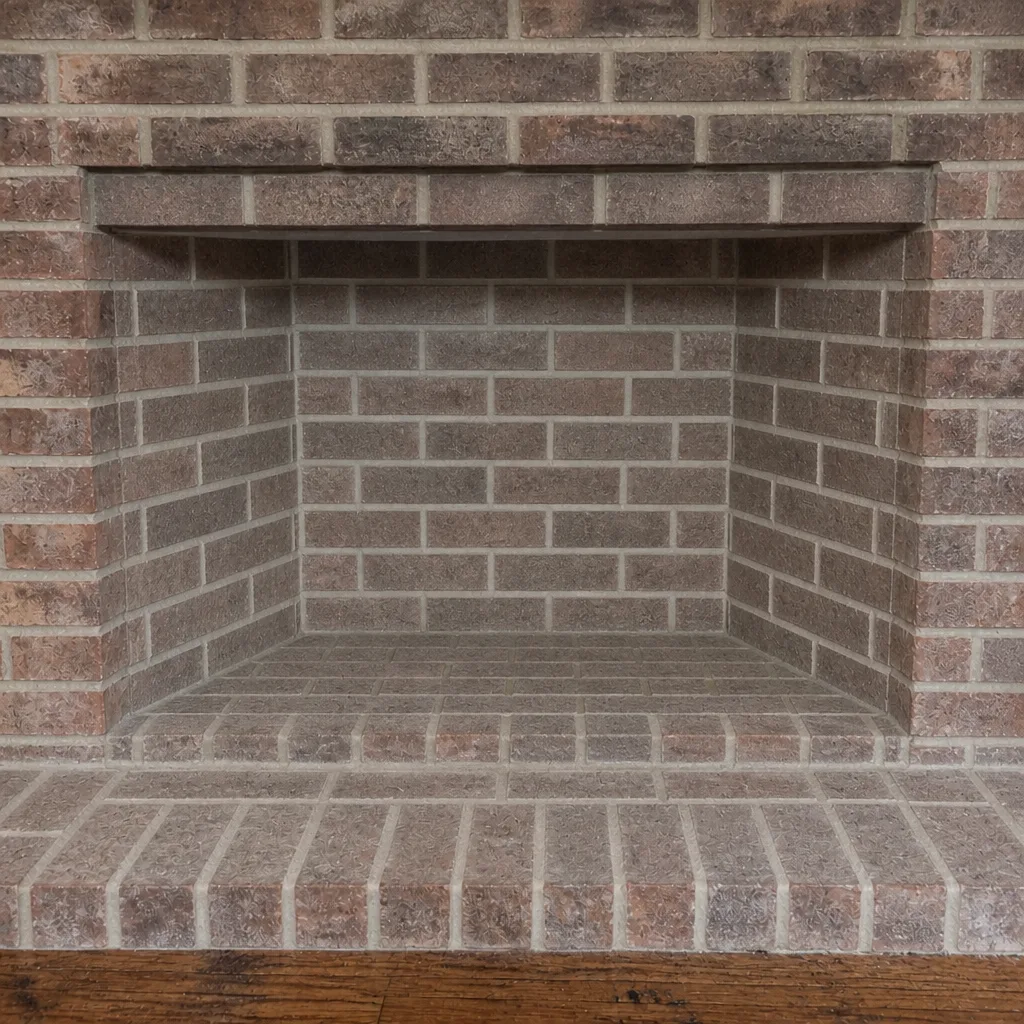
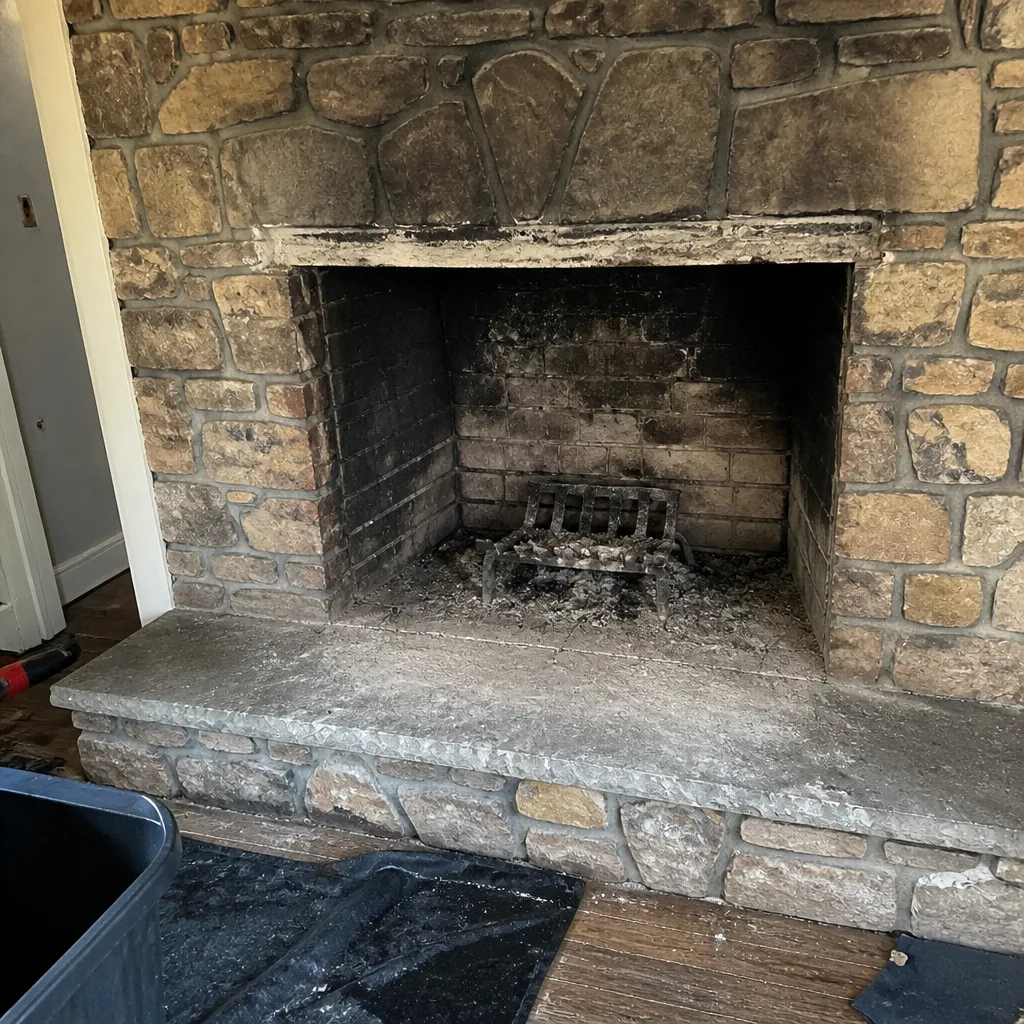
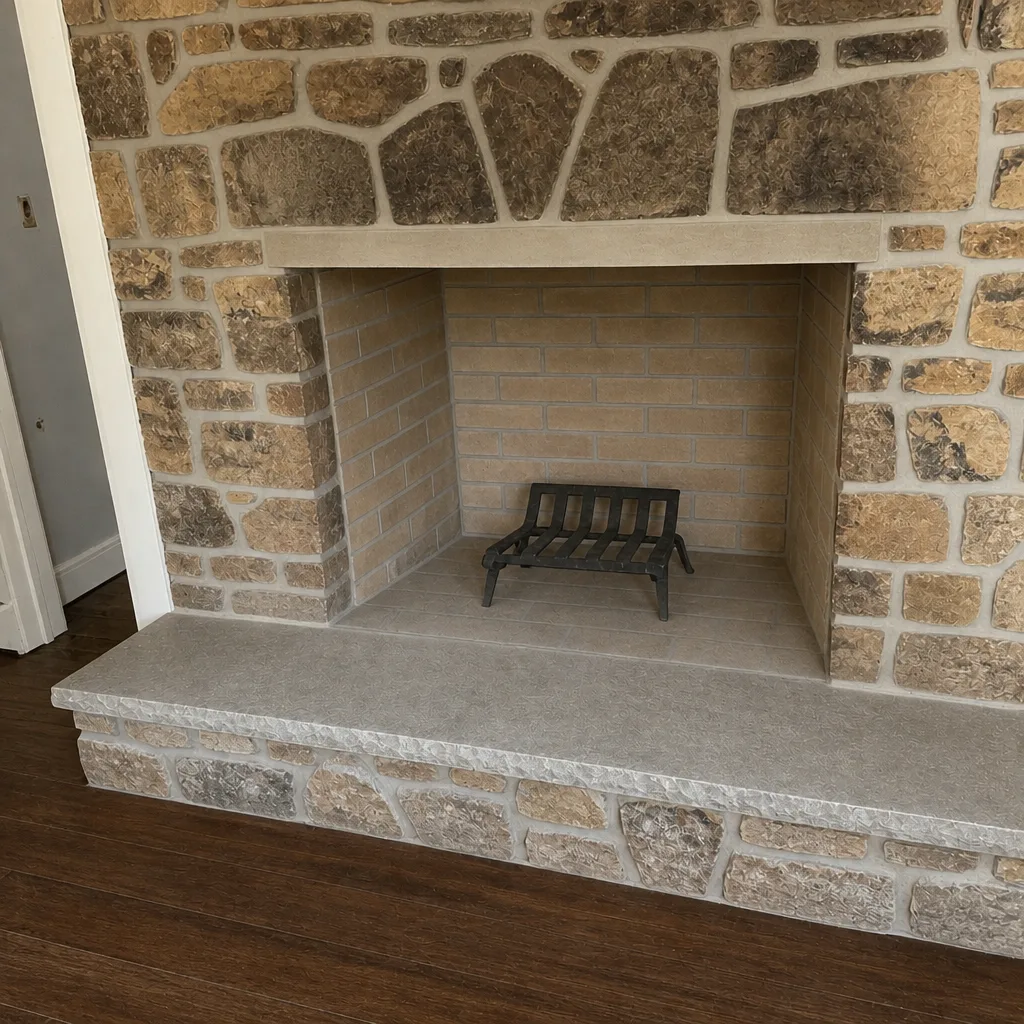
See the difference
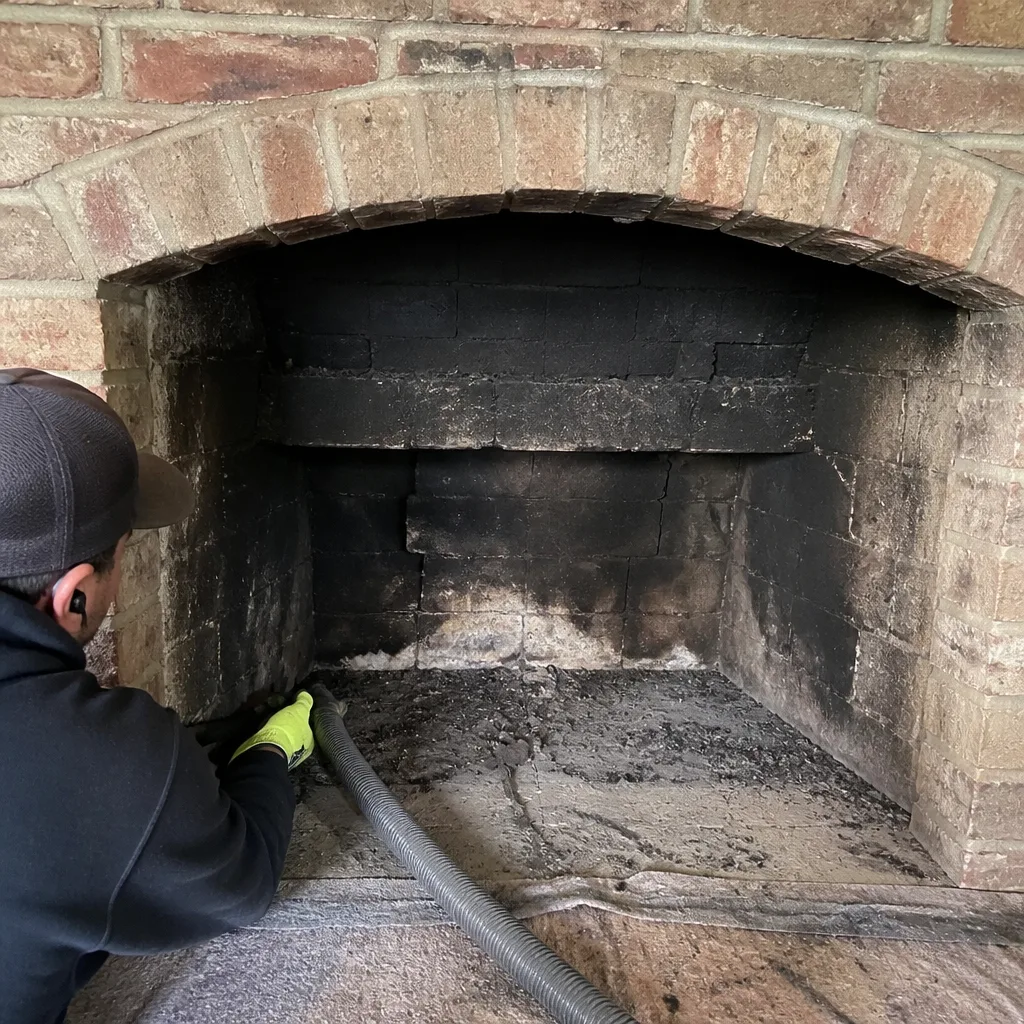 Before
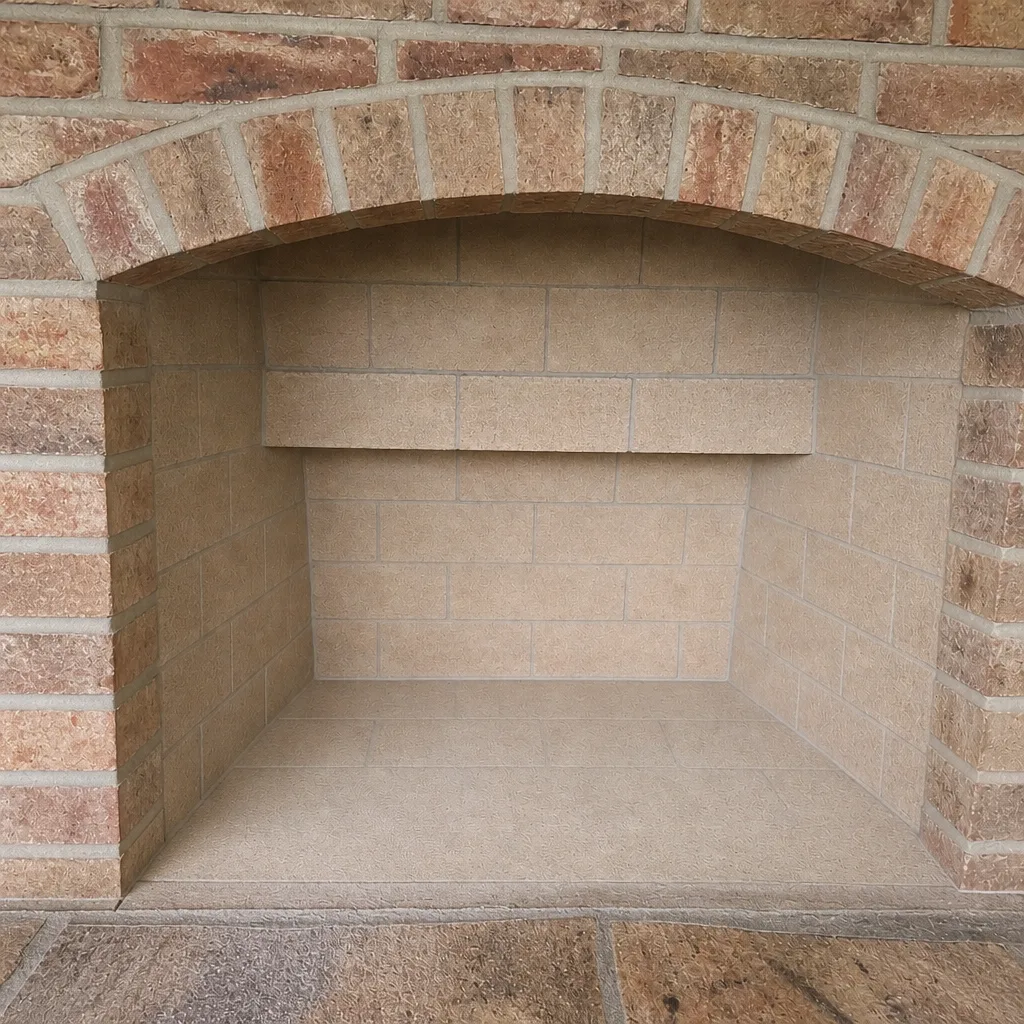 After
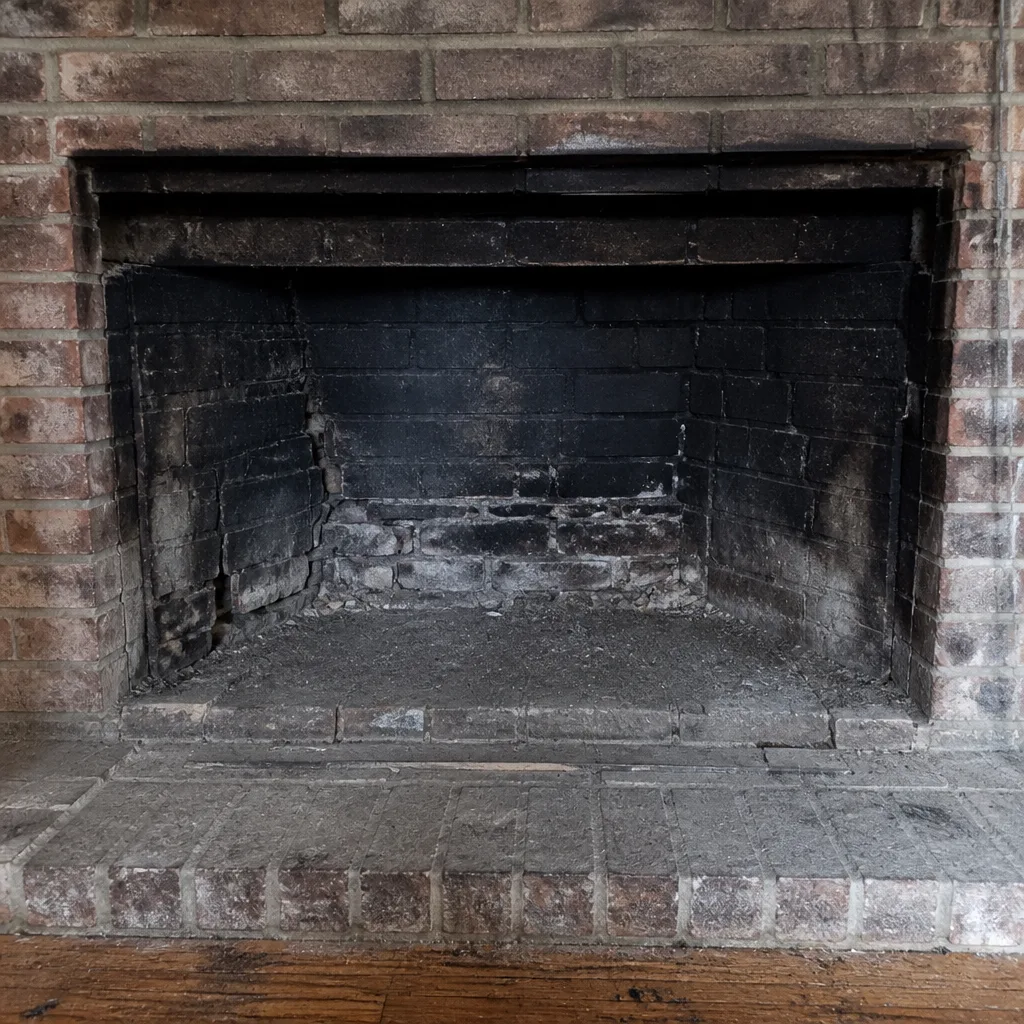 Before
 After
 Before
 After
When to Call a Professional
Call a professional for anything involving a brand-new flue-to-roof issue, a suspected chimney fire, a glazed creosote layer, a flue that’s never been inspected, or any evidence of a cracked tile. Those aren’t DIY situations. When it’s time for a documented cleaning and camera inspection, a full-service provider that handles the sweep, the inspection, and any needed chimney cap & crown work in one visit saves you coordinating multiple companies. Chimney Sweep East Nashville offers free estimates in East Nashville. Call (877) 792-5705. We answer 24/7. Fast dispatch from 7am to 7pm, Sunday through Friday.
Frequently Asked Questions
A professional chimney sweep in East Nashville is priced per job, with the exact number set by the written estimate after the technician sees your flue. The price reflects the rotary cleaning, HEPA vacuum setup, and a camera inspection that DIY can’t provide. For an exact quote, call (877) 792-5705. Estimates are free.
You only need a new liner if the camera inspection shows the existing one is cracked, rusted, or otherwise failing. A clean flue with a sound liner doesn’t need replacing. Nothing is recommended without camera evidence you can see for yourself, and if the liner is fine, the technician will tell you so. If a reline is needed, a DuraFlex flexible liner system is what a professional would install. Call (877) 792-5705 for an inspection-based answer.
For an actively used wood-burning fireplace, most guidance points to an annual sweep and inspection, and more often if you burn heavily. Gas log sets and decorative fireplaces need less frequent cleaning but still benefit from a periodic inspection. In East Nashville’s shoulder seasons, burning habits can accelerate creosote buildup. Call (877) 792-5705 to schedule an evaluation.
Skipping chimney maintenance lets creosote build into the glazed second- and third-degree stages, which raises chimney fire risk and can cause structural damage to flue tiles. It also lets a failing liner or a damaged crown go unnoticed. Both are problems that cost more to fix later. The safest approach is to catch them at an inspection while they’re small. Call (877) 792-5705. We answer 24/7. A call outside dispatch hours is booked into the next opening, Sunday through Friday, 7am to 7pm.
You can remove light first-degree creosote from the parts of the flue a brush can reach, which is real value for a lightly used fireplace. You cannot reliably reach the smoke chamber, the area above the smoke shelf, or glazed deposits. For an active wood-burning flue, a brush kit isn’t a substitute for a professional sweep. Call (877) 792-5705 for a professional evaluation.
Yes. Chimney work is a single-specialty trade, and every technician at Chimney Sweep East Nashville works exclusively in chimney systems rather than splitting time across general contracting or HVAC. Our technicians have up to 14 years of experience. That focus is why we can run a camera inspection, resurface a deteriorating flue with HeatShield, and install a DuraFlex liner as part of the same visit. Call (877) 792-5705 for a free estimate.
The Bottom Line
DIY chimney cleaning has a place, but that place is narrower than most homeowners expect. A brush kit can handle light first-degree creosote, gas log set dust, and the exterior checks that catch problems early. It cannot remove glazed creosote, reach the smoke chamber, or replace a camera inspection. The real difference is that a professional sweep reduces fire risk, and DIY cleaning can create a false sense of safety. If your East Nashville home has an actively used wood fireplace, use your DIY time for observation and leave the flue to a professional. Call (877) 792-5705. We answer 24/7. Fast dispatch from 7am to 7pm, Sunday through Friday.
Written by the team at Chimney Sweep East Nashville.