
Last updated November 24, 2026
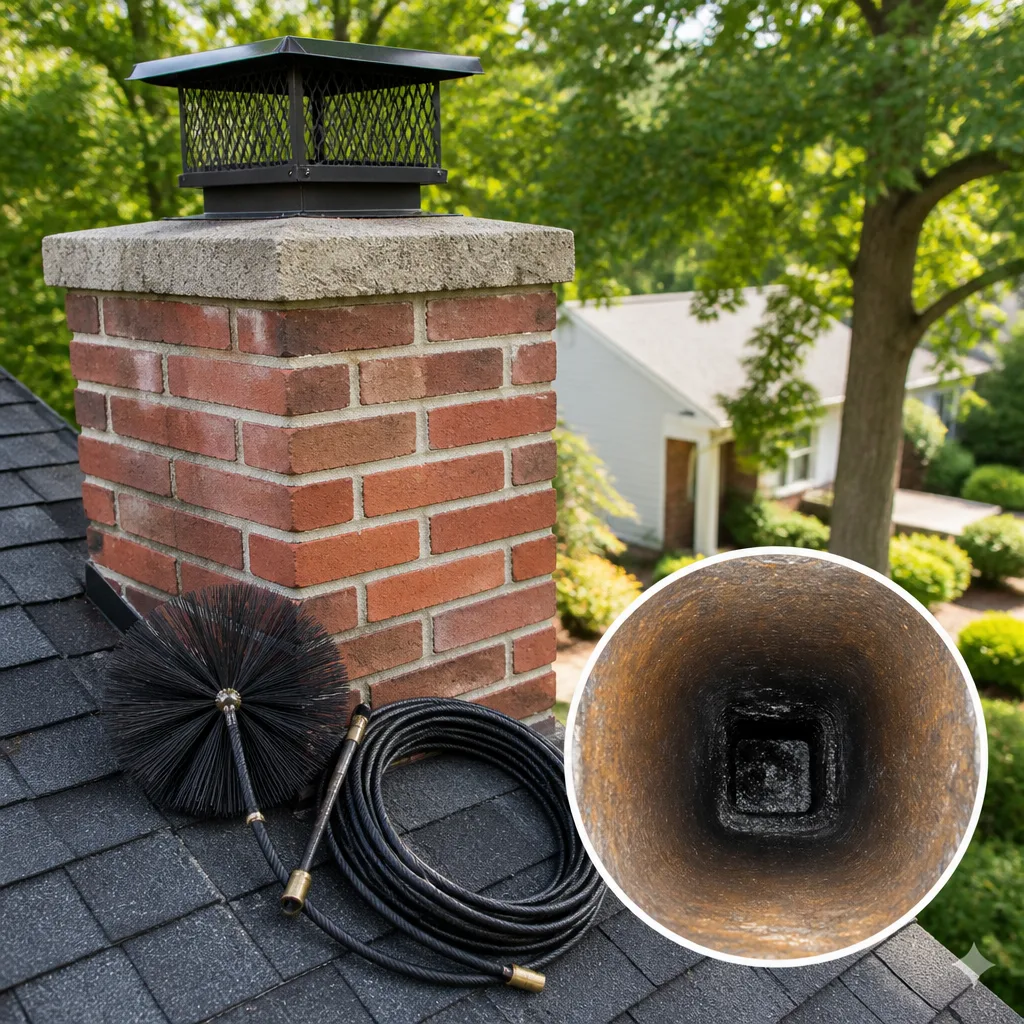 Sweep & inspection
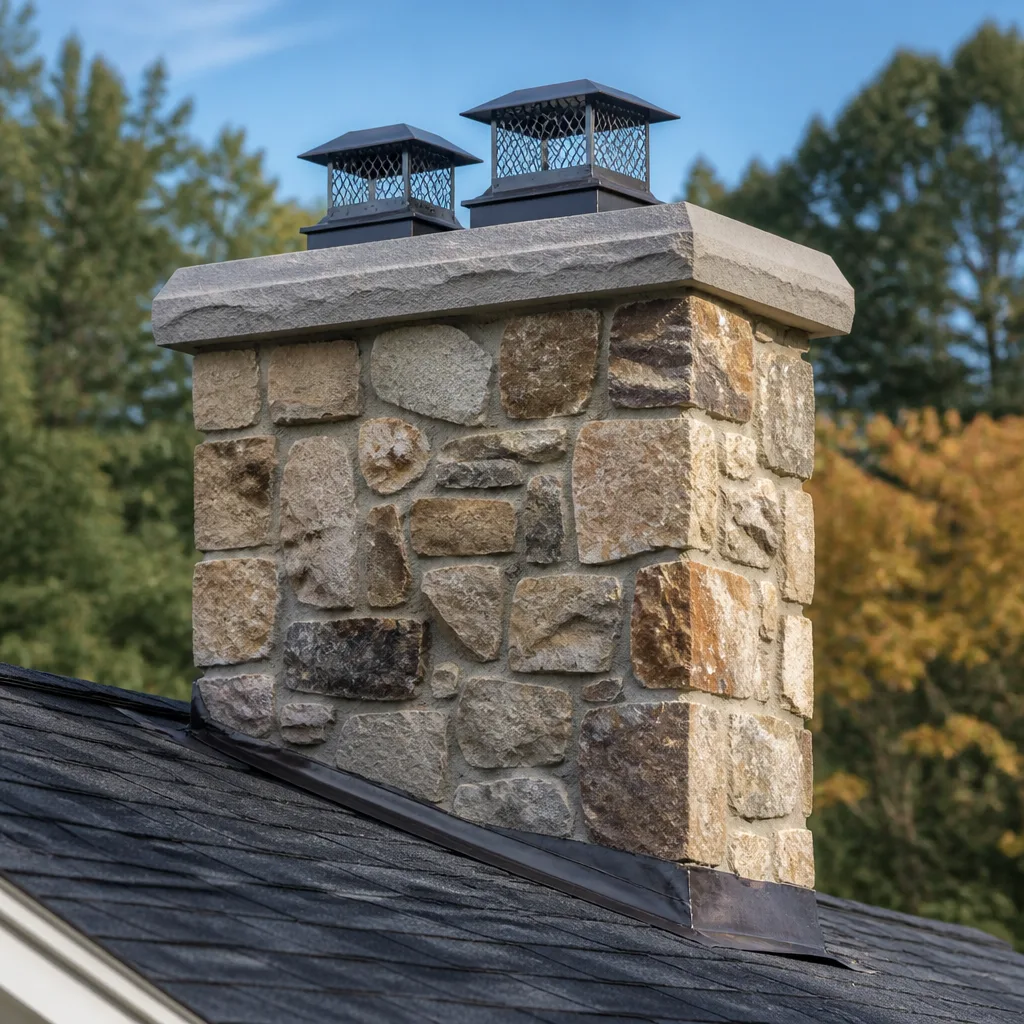 Caps & crowns
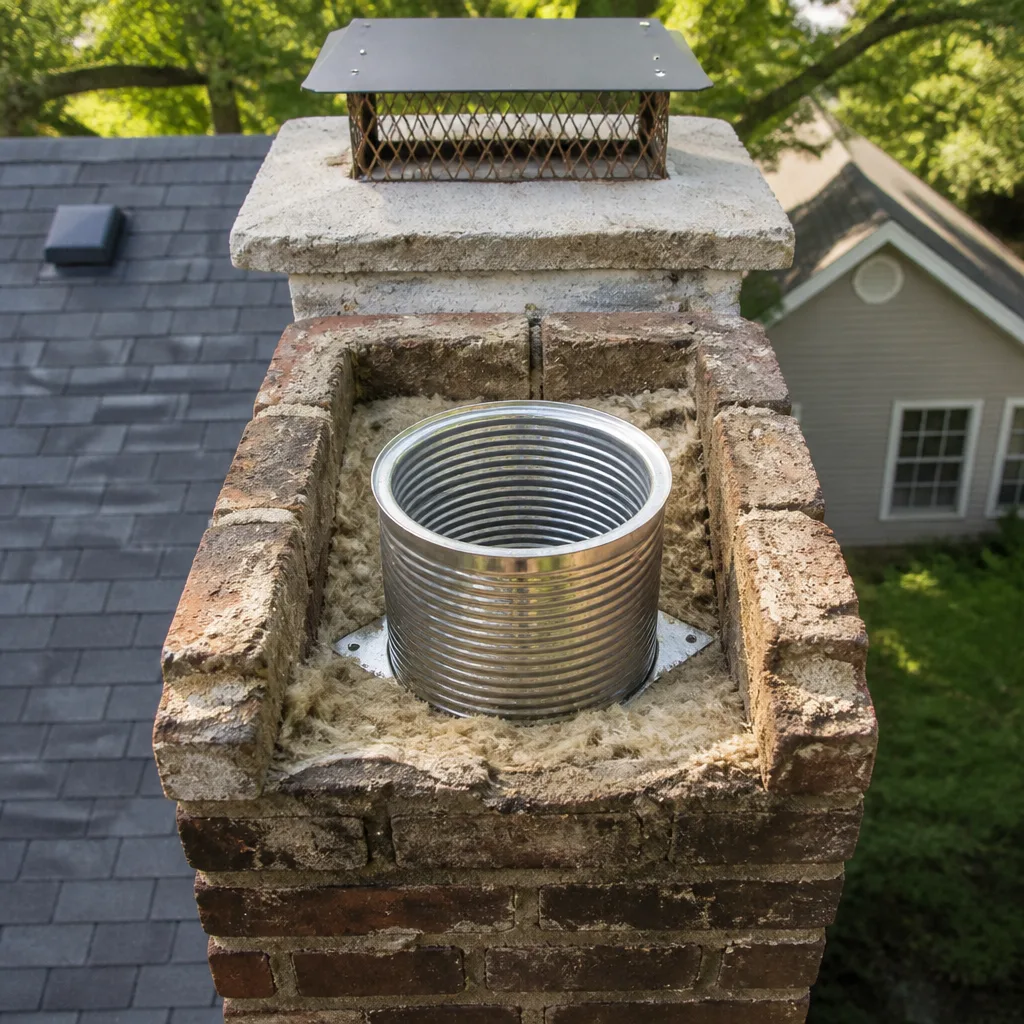 Flue relining
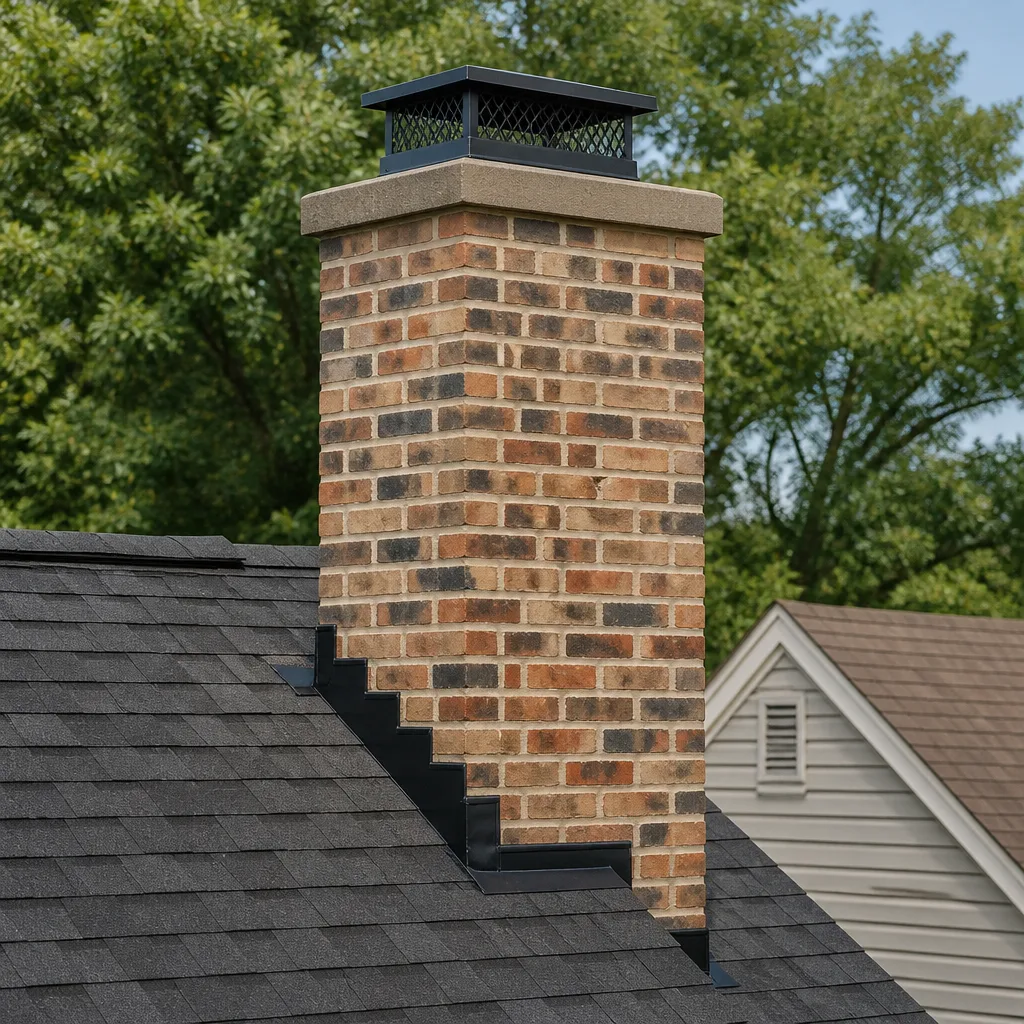 Masonry repair
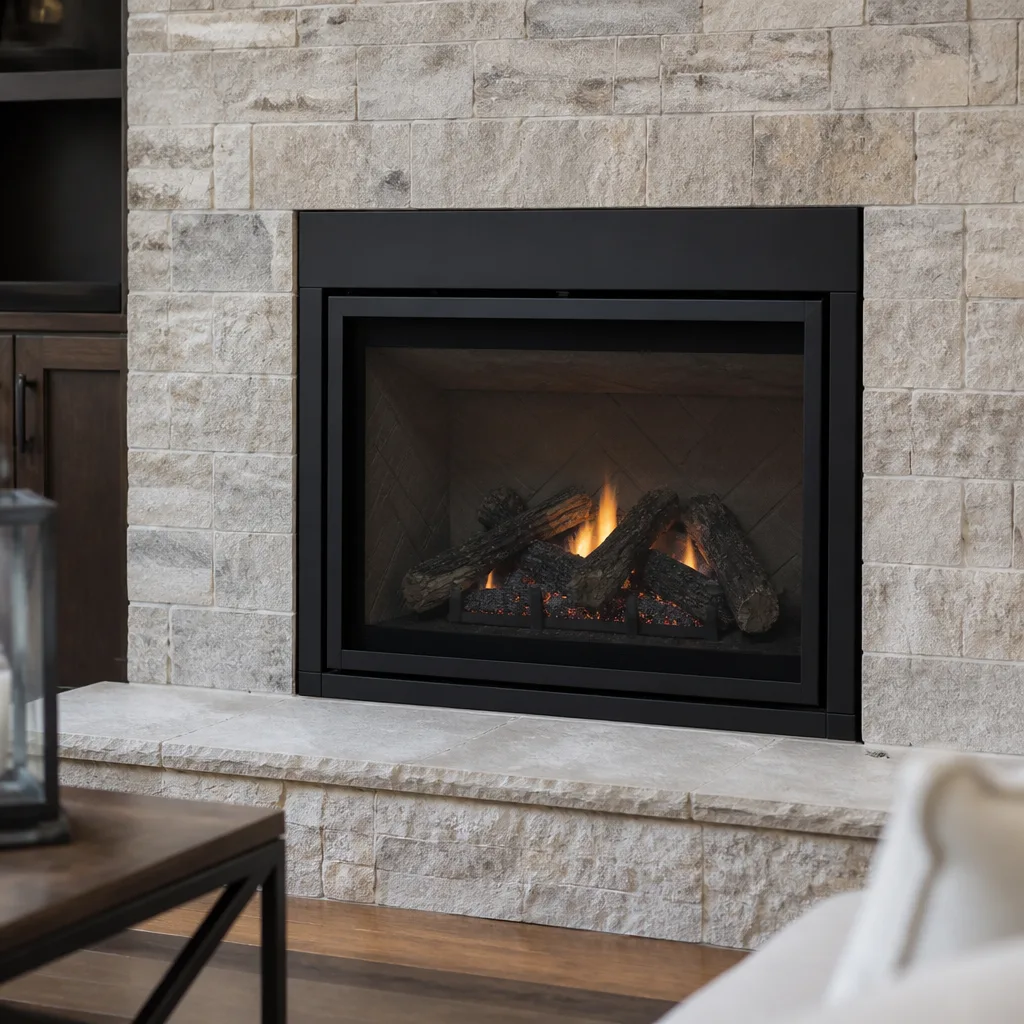 Gas fireplace service
Level 1 sweep and inspection to the NFPA 211 annual standard - flue, crown, cap, and flashing checked and photographed
Chimney sweep logs do not sweep chimneys. They loosen some creosote - which then falls where a brush and vacuum still have to collect it.
Chimney Cleaning Warning Signs: An East Nashville Homeowner’s Reference Guide
Most people think a chimney problem announces itself with smoke pouring into the room. It usually doesn’t. The clearest warnings arrive quietly: a faint smoky smell in the middle of a humid East Nashville July, a chalky white stain creeping across the firebox brick, a bit of gray grit on the hearth after a windy night. Each of those means something specific about what’s happening inside the flue, and knowing which one you’re looking at tells you whether to book a sweep next month or stop burning tonight. This guide breaks down the warning signs by what they actually indicate, so you can triage urgency instead of guessing. We’ll cover smells, interior and exterior visuals, draft behavior, and the difference between “schedule soon” and “don’t light a fire.”
Quick Answer
The main chimney cleaning warning signs are a smoky or acrid odor when no fire is burning, chalky white efflorescence or flaking brick inside the firebox, rust stains on the damper or firebox floor, smoke spilling back into the room, a slow or weak draft, and visible gaps in the mortar crown, cap, or joints outside. Smells and stains usually mean “schedule a sweep and inspection soon.” Smoke spillage, back-puffing, or visible creosote glaze mean “stop using the fireplace until it’s inspected.” When in doubt, a sweep with a camera inspection settles it in one visit.
Table of Contents
- What Different Chimney Smells Actually Mean
- Interior Signs You Can Check Without Tools
- Draft and Smoke Behavior Problems Explained
- Exterior Warning Signs You Can Spot From the Ground
- Signs That Mean “Schedule Soon”
- Signs That Mean “Don’t Use the Fireplace Until Inspected”
- Why East Nashville Humidity Accelerates Chimney Problems
- How Often to Book a Sweep in East Nashville
What Different Chimney Smells Actually Mean
A smoky smell on a humid summer day with no fire burning is a draft reversal sign. It often points to a deteriorated smoke chamber or an undersized flue that was never right for the appliance. The smell isn’t coming from nowhere; it’s coming from creosote and soot deposits sitting in the flue, and the reason you’re smelling them now is that warm, moist air outside is heavier than the cooler air inside the chimney, so the draft runs backward. In East Nashville, that reversal is most common from June through September, when humidity sits high and the air is still. If you smell it in February, the cause is different, and probably more serious.
Not all chimney odors smell the same, and the difference matters:
- Sharp, acrid, tar-like smell: Creosote. This is condensed wood smoke that has baked onto the flue walls. It’s the fuel source for most chimney fires. If the smell is strong, you likely have a buildup that needs sweeping, and possibly glazed creosote that needs more than a standard sweep.
- Musty, earthy, damp-basement smell: Mold or mildew, usually in the firebox, smoke chamber, or on the damper. It points to water getting in, most often from a failed crown or a missing or damaged cap.
- Sour, chalky, or “old brick” smell: Masonry decay. Water has entered the brick or mortar and is breaking it down from the inside. This one tends to worsen over months, not days, but it’s the most expensive to ignore.
- Chemical or exhaust smell: A backdrafting gas appliance or a blocked flue. If you have a gas insert or a gas furnace venting nearby, this one is urgent.
The location of the smell narrows it further. Odor that’s strongest at the firebox and fades as you move away is coming from the flue above. Odor that’s strongest near the damper or in the room itself suggests a draft problem or a cap issue. Odor in the basement or near the chimney base is often a sign of water intrusion at the crown. When we run a Chimney Sweep East Nashville, we look at all three zones and can usually tell you which one is the source before we’ve finished the sweep.
Interior Signs You Can Check Without Tools
You don’t need a ladder or a flashlight to spot the earliest warning signs. Open the damper, crouch down, and look at the firebox, damper, and the visible flue throat. Five minutes of looking tells you a lot.
- Open the firebox door or screen and look at the back wall. Clean brick is a dull, even red-brown. Flaking, pitting, or crumbly brick is spalling, and it means water or repeated heat cycling has compromised the masonry.
- Look for chalky white powder on the brick or mortar. That’s efflorescence, a mineral deposit left behind when water moves through masonry and evaporates. It’s not dangerous on its own, but it’s a reliable indicator of active moisture, usually from above.
- Check the damper and firebox floor for rust stains. Rust on a steel damper or on the firebox floor almost always means water is getting in from the crown, the cap, or a failed flashing at the roofline.
- Look up the flue throat with a flashlight. Shiny, glassy, or tar-like deposits on the flue walls are glazed creosote, the most dangerous kind. Heavy soot alone is normal and cleans up easily. Glaze does not.
- Feel the damper movement. A damper that sticks, doesn’t close fully, or won’t open all the way is often a rust or warping problem, and it affects how well the chimney drafts.
- Check the hearth for grit or ash left after a windy day with no fire. That’s falling masonry or soot coming down the flue, and it usually means a cap or crown issue.
None of these checks require you to go on the roof or reach into the flue. They’re designed to help you describe what you’re seeing to whoever you call. If you spot spalling or efflorescence and want it looked at properly, our fireplace repair service covers the firebox and the surround, and a sweep with a camera inspection tells you whether the problem stops at the firebox or goes all the way up. When we find something inside the firebox, we take photos and show you what we’re seeing. Nothing gets recommended without camera evidence you can look at yourself.
Draft and Smoke Behavior Problems Explained
Chimney draft is simple physics: warm air rises, and the chimney works because the flue is warmer than the outside air. When it doesn’t work, you see one of three behaviors, and each points to a different mechanical cause.
- Back-puffing (smoke puffs into the room while a fire is burning): The flue is undersized for the appliance, the chimney is short relative to the roof, or there’s a partial obstruction (a bird nest, a broken tile, a collapsed liner section). Back-puffing is common right after a fire is lit, when the flue is still cold. If it continues once the fire is fully established, it’s not a cold-flue problem, it’s an obstruction or sizing problem.
- Slow draw (the fire smolders, smokes at the top of the firebox, and takes forever to get going): Usually a draft issue caused by negative pressure in the house. Modern houses are tight, and kitchen exhaust fans, dryer vents, and second-floor bathroom fans can all pull air down the chimney instead of up it. In East Nashville’s renovated bungalows and newer infill builds, we see this often because the house was tightened up without adding make-up air for the fireplace.
- Smoke spillage (smoke rolls out from the firebox when you open the door or add wood): This usually means the smoke chamber is oversized, the flue is undersized, or the damper isn’t open far enough. If it happens consistently even with a hot fire and a fully open damper, the smoke chamber likely needs work.
The good news is that all three behaviors are diagnosable. A camera inspection tells you whether you’re dealing with debris, a broken liner, a sizing problem, or a pressure issue. When the smoke chamber is the culprit, we resurface it with HeatShield, a product designed to restore a deteriorated smoke chamber without removing the whole flue. Most budget sweep operations don’t offer that; they can clean the flue but not repair the chamber above it. If you can describe your smoke behavior accurately when you call, you’ll get a faster, more useful answer.
Exterior Warning Signs You Can Spot From the Ground
Most of the expensive chimney damage we see in East Nashville starts at the top and works its way down. You can catch it early from the ground with a pair of binoculars and a few minutes on a clear day.
- Look at the crown (the sloped concrete or masonry top of the chimney). Cracks, spalling, or a crown that looks like it’s pulling away from the flue is the single most common source of water intrusion. A cracked crown lets water run down the outside of the flue and into the smoke chamber, where it starts the whole cascade of smells, stains, and decay.
- Check the cap (the metal or masonry hood at the top). A missing, rusted, or loose cap is an open door for rain, snow, birds, squirrels, and leaves. A cap also helps with draft by keeping downdrafts from pushing smoke back into the house.
- Inspect the mortar joints on the chimney stack. Cracks, missing mortar, or joints that look recessed or crumbling indicate masonry decay, usually driven by freeze-thaw cycles combined with water that got in at the crown.
- Look at the flashing where the chimney meets the roof. Lifted, rusted, or missing flashing lets water run down behind the chimney and into the attic or ceiling below.
- Check the chimney for lean or tilt. A chimney that’s visibly leaning away from the roof is a structural problem, not a cosmetic one, and needs a professional assessment before anything else.
If you spot a crown or cap problem from the ground, that’s a strong signal to book an inspection. Replacing a failed crown with a proper poured or cast crown using Gelco or Famco products protects the investment you’ve already made in the chimney and prevents the water damage from coming back. Our chimney cap & crown work addresses both from the top down.
Signs That Mean “Schedule Soon”
Some warning signs are real but not emergencies. They mean the chimney needs attention in the next few weeks, not tonight. Booking a sweep and inspection on your own timeline is always cheaper and less disruptive than booking after a problem has gotten worse.
- A smoky or creosote smell when no fire is burning. The flue has buildup that needs sweeping. Book within a month.
- Efflorescence (white chalky stains) inside the firebox. Moisture is entering from above. Book a sweep and inspection so the source can be traced.
- Rust on the damper or firebox floor. Water intrusion from the crown or cap. Book soon, and expect a cap or crown repair to be recommended alongside the sweep.
- Minor spalling on the firebox brick. Early masonry decay. Sweep and inspect to confirm it hasn’t reached the smoke chamber.
- Moderate soot and creosote accumulation after a season of burning. This is normal maintenance. Annual sweeps catch it before it becomes a problem.
- A cap that’s loose or slightly rusted but still in place. Replace it before the next storm season.
These are the signs we see most often in East Nashville, and most of them resolve with a sweep and one simple repair. Our technicians have up to 14 years of experience, and the sweep is a flat-price job agreed before booking, so there’s no surprise when the invoice comes. If you’re seeing any of the signs above, call (877) 792-5705 for an exact quote. Estimates are free.
Signs That Mean “Don’t Use the Fireplace Until Inspected”
Some warning signs are not “schedule soon” signs. They mean stop. These are the ones where a fire could cause a chimney fire, carbon monoxide exposure, or a structural failure, and where the correct action is to close the damper, keep the fireplace cold, and call for an inspection before lighting another fire.
- Smoke spilling into the room while a fire is actively burning, or back-puffing that continues after the fire is fully established. This can mean a blocked flue, a broken liner, or a serious sizing issue, all of which can push carbon monoxide into the living space.
- Visible glazed creosote on the flue walls. Glazed creosote is what fuels a chimney fire. If you can see it, it’s already too thick to be safe.
- Falling masonry or ash inside the firebox after a windy night. A broken flue tile or a failed crown can drop debris into the flue. If debris is falling, the flue is damaged.
- A cracked or separating smoke chamber visible from the firebox. Smoke chambers are a common failure point, and a crack here is both a fire risk and a carbon monoxide risk.
- A strong chemical or exhaust smell from a gas appliance venting nearby. This is a carbon monoxide risk, not a chimney maintenance issue. Stop using the appliance and call for an inspection.
Please don’t try to diagnose a blocked flue or a broken smoke chamber yourself. Chimneys carry real risks from creosote ignition and carbon monoxide, and a trained professional with a camera and the right equipment can tell you in minutes what you’d never be able to check safely from the ground. Our technicians work exclusively in chimney systems, which means they see these problems often enough to know the difference between a minor buildup and a structural failure worth stopping the fireplace for.
Why East Nashville Humidity Accelerates Chimney Problems
East Nashville’s climate does more damage to chimneys than the cold does. Summers here are humid, and the masonry absorbs moisture from the air on every humid day. That moisture migrates through brick and mortar and evaporates at the surface, which is where efflorescence comes from. Over years, the cycle of absorption and evaporation weakens the mortar and causes spalling. If the crown has a crack, rain gets into the same masonry from above, and the cycle runs year-round instead of just in summer.
Then winter arrives, and the freeze-thaw cycle does the rest. Water that got into the brick in July freezes in January, expands, and pushes the brick apart from the inside. In East Nashville, that’s why we see so many chimneys with cracked mortar joints and failing crowns, even on houses that aren’t especially old. The water is the problem. The frost is what finishes it.
Add to that the way many older East Nashville homes have been renovated over the years. Bungalows and four-squares that were originally built with open masonry fireplaces now often have gas inserts or wood stoves connected to the same flue, and the flue sizing and venting that worked for an open fireplace may not be right for the new appliance. A chimney that drafts poorly after a renovation is usually a chimney that has a sizing or venting mismatch, not a chimney that needs cleaning. That’s why we look at the whole system when we sweep, not just the flue.
How Often to Book a Sweep in East Nashville
Most East Nashville homeowners should book a chimney sweep once a year if they burn regularly through the heating season. If you burn only occasionally (a few fires a month), a sweep every other year is often enough, but you should still get an annual inspection. Chimney fires and carbon monoxide risks come from problems you can’t see from the firebox, and an annual inspection catches them before they become dangerous.
- Book before the burning season starts. In East Nashville, that means late summer or early fall, before the first cold snap sends everyone else scrambling for an appointment.
- Book after any of the warning signs above. A smell, a stain, or a draft problem is a reason to book sooner, not later.
- Book after any change to the fireplace or the house. A new insert, a new liner, a major renovation, or a new roof all change how the chimney behaves.
- Book before buying or moving into a home with a fireplace. You want to know the state of the chimney before you commit to using it.
When we sweep, we include a camera inspection and a photo report, and the flat price is agreed before we book. If you want a chimney sweep that also tells you what the camera saw, that’s what we do. Call (877) 792-5705 and we can get you on the schedule. We answer 24/7. Fast dispatch from 7am to 7pm, Sunday through Friday.
Styles & brands we work with
- Sweep & inspection
- Caps & crowns
- Flue relining
- Masonry repair
- Gas fireplace service
Common Mistakes to Avoid
- Assuming no smoke means no problem. The dangerous signs are often invisible from the room, and the ones that aren’t (smells, stains, draft) are usually ignored until they get worse. An annual inspection catches them early.
- Burning wet or unseasoned wood to “see if it clears up.” It doesn’t clear up, and it makes creosote worse. Wet wood burns cooler, which means more creosote deposits in the flue.
- Treating a smoky smell as a seasonal quirk. In East Nashville’s humid summers, a smoky smell is a draft reversal sign, not just humidity. It usually means buildup in the flue that needs sweeping.
- Ignoring a cracked crown because the fireplace still works. The crown is the chimney’s roof. A crack lets water in, and water damage accelerates from the top down.
- Letting a general handyman handle chimney repairs. Chimney systems have their own materials, products, and sizing requirements. A generalist working without the right products can make a small problem worse. Our material lines (DuraFlex for liners, HeatShield for resurfacing, Copperfield for chimney components, Famco for caps and crowns) are professional chimney products, not big-box substitutes.
- Skipping the camera inspection to save time. A sweep without a camera inspection tells you the flue is cleaner. It doesn’t tell you whether the flue is intact, and the difference matters.
- Calling for a liner replacement before confirming it’s needed. Some liners do need replacing. Many do not, and can be resurfaced with HeatShield instead. Get the camera evidence first.
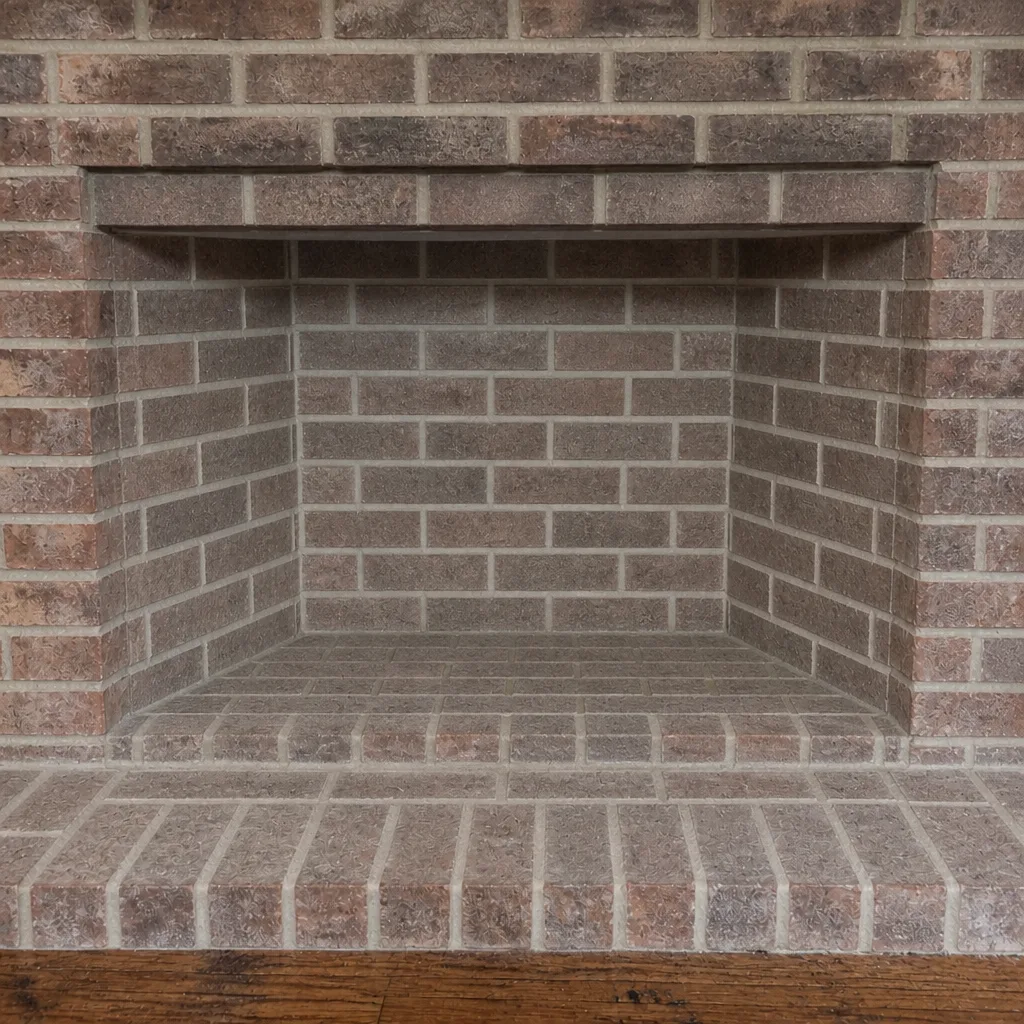
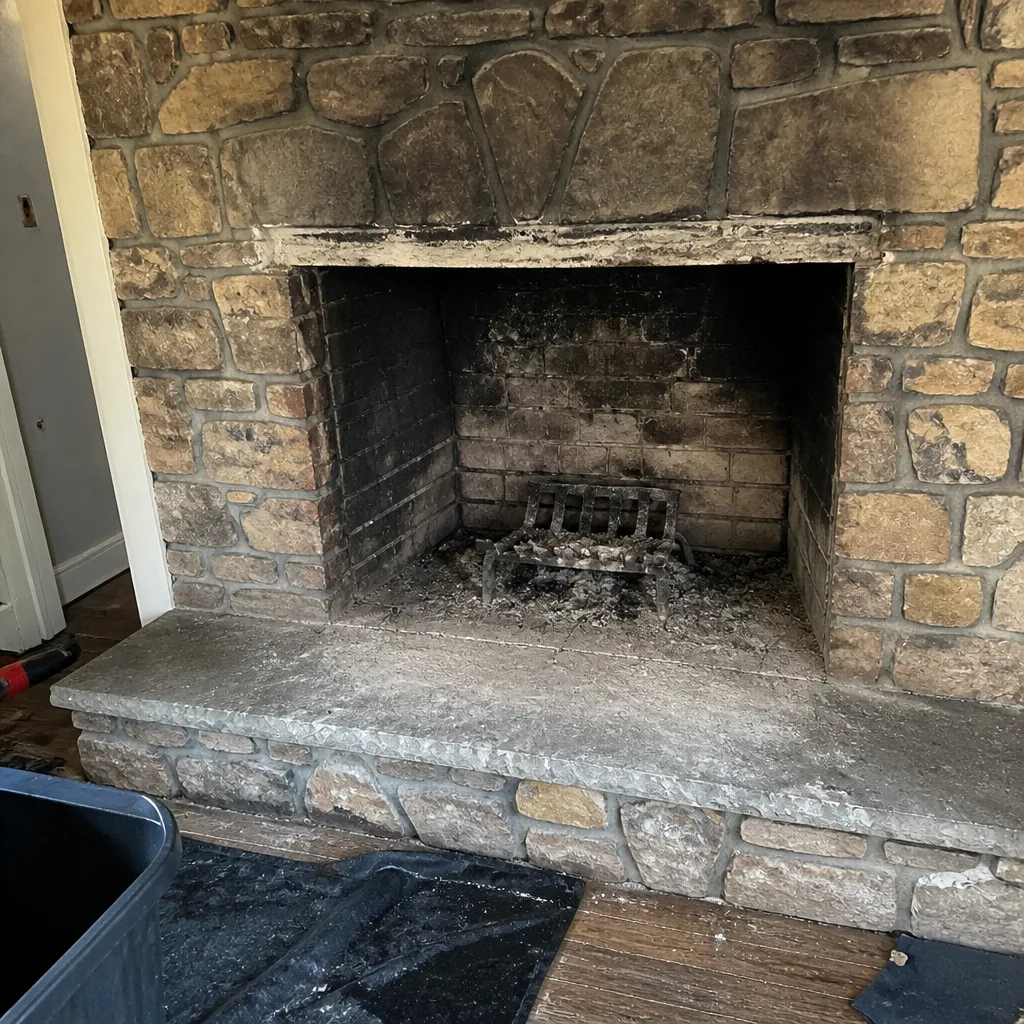
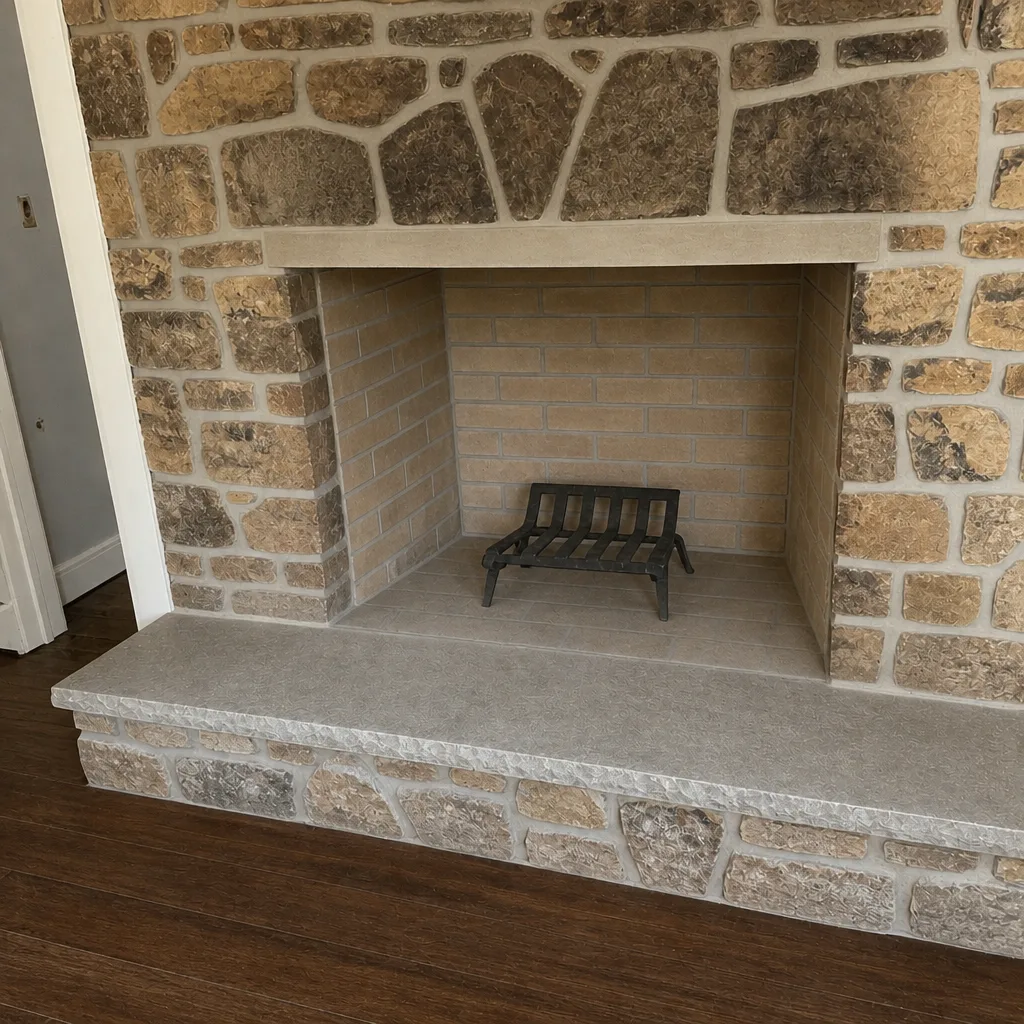
See the difference
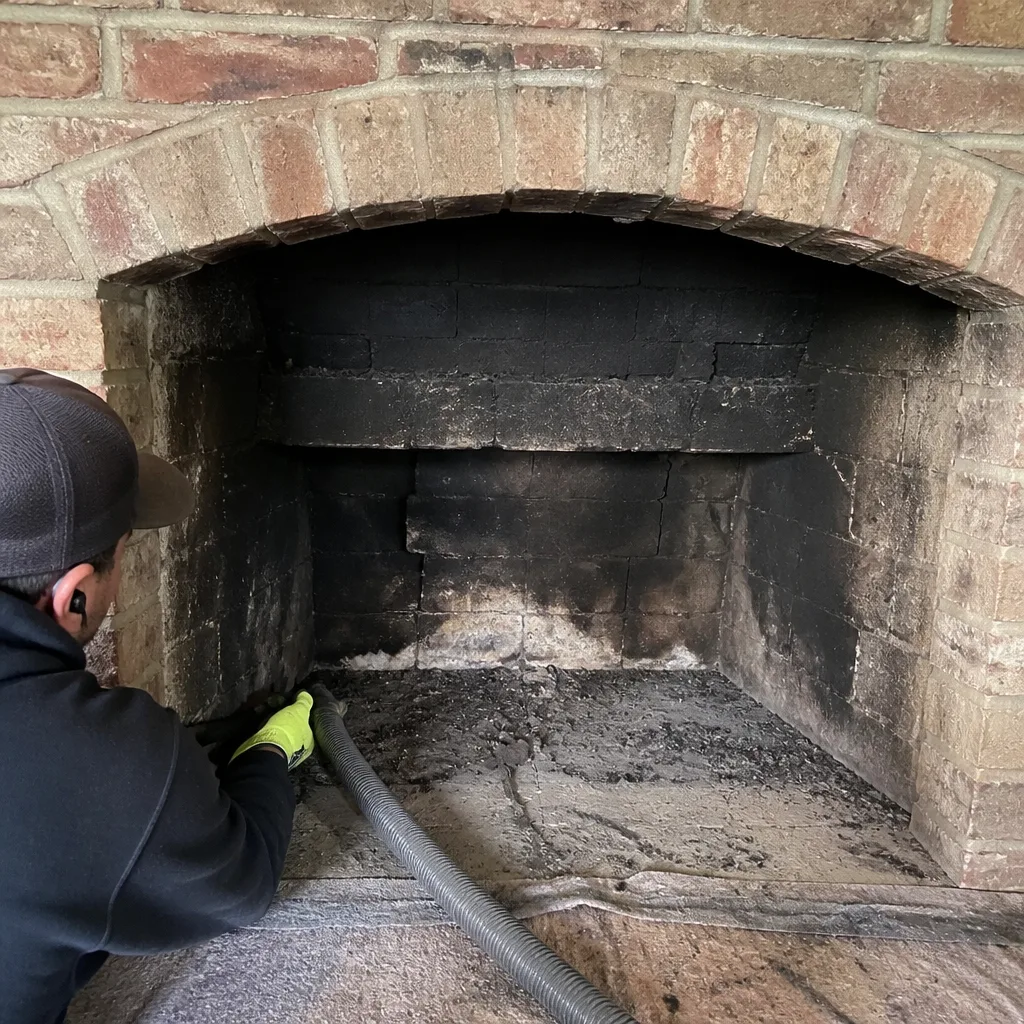 Before
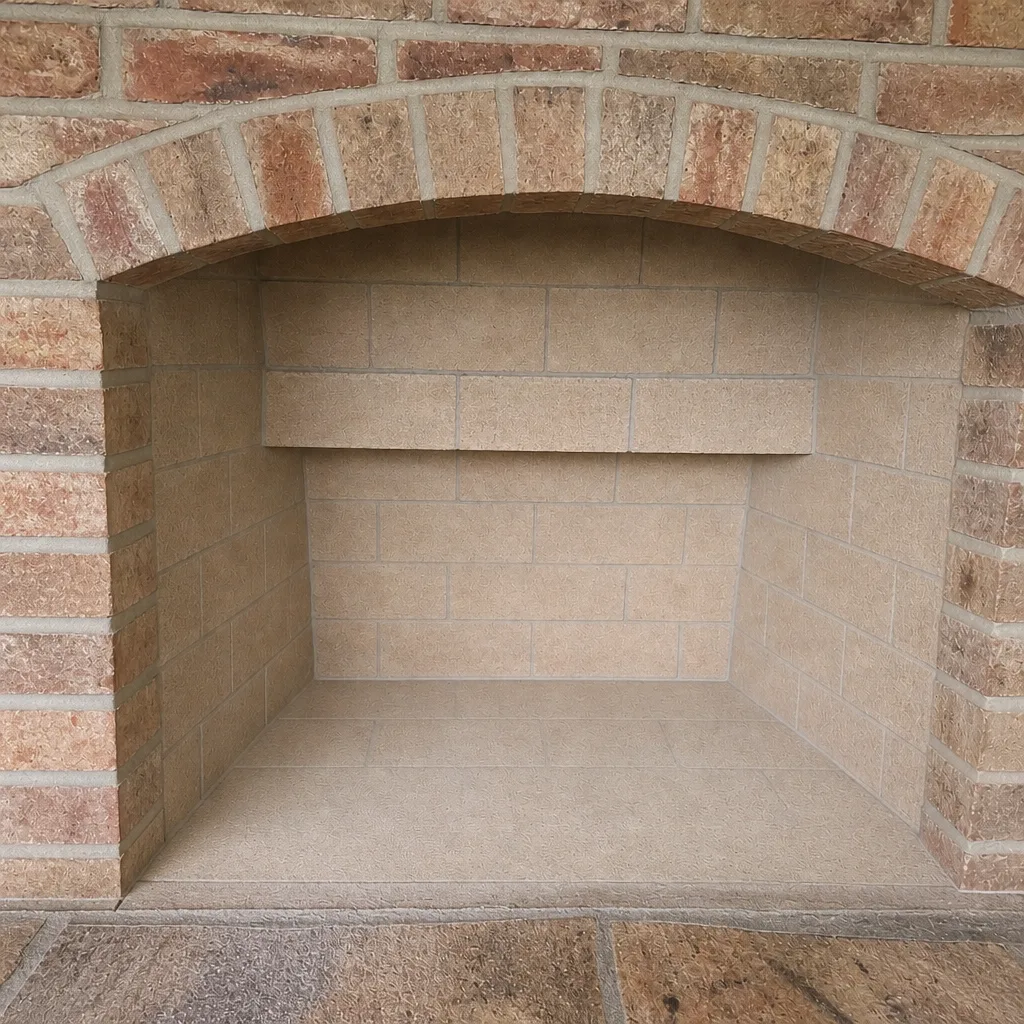 After
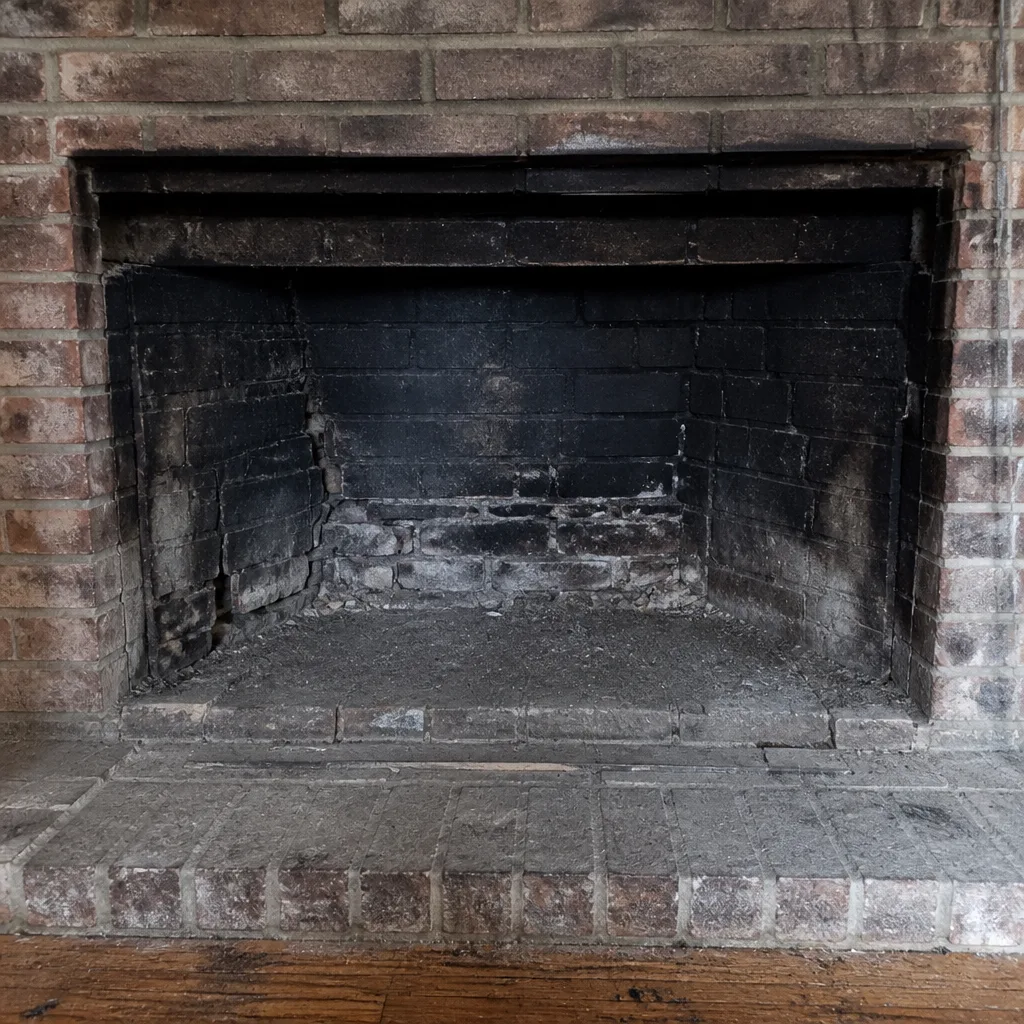 Before
 After
 Before
 After
When to Call a Professional
Call a professional chimney service when you see smoke spillage, back-puffing that doesn’t clear once the fire is hot, glazed creosote in the flue, falling masonry or debris in the firebox, or a strong chemical smell near a gas appliance. These are “stop using the fireplace” signs, and they should be inspected before the next fire. Also call if you see a cracked crown, a missing or damaged cap, efflorescence or rust staining inside the firebox, a persistent smoky smell when no fire is burning, or any visible crack in the chimney’s exterior masonry. And call if it’s simply been a year or more since the last sweep. Chimney Sweep East Nashville offers free estimates in East Nashville. Call (877) 792-5705.
Frequently Asked Questions
The most common warning signs we see are a smoky or creosote smell when no fire is burning, white chalky efflorescence or spalling brick inside the firebox, rust staining on the damper or firebox floor, smoke spilling into the room, and visible cracks in the crown or missing mortar on the chimney stack. In East Nashville’s humid summers, the smoky smell is especially common because of draft reversal. If you notice any of these, call (877) 792-5705 for an exact quote. Estimates are free.
Usually, yes. A smoky smell when no fire is burning almost always means there’s creosote and soot buildup in the flue, and the smell is coming back down because the draft is reversed. It’s more common in East Nashville’s humid summer months. The fix is a sweep, but you also want a camera inspection to confirm the flue is intact and that the smell isn’t coming from a smoke chamber problem. Call (877) 792-5705 to book a sweep.
You can check the firebox, damper, and visible flue throat yourself, and you should. Look for spalling brick, chalky white efflorescence, rust staining, and glazed deposits on the flue walls. You can also check the crown and cap from the ground with binoculars. What you shouldn’t do is go on the roof or reach into the flue. Those carry real fall and creosote-exposure risks. If you spot something concerning, call (877) 792-5705 and we’ll look at it properly.
A sweep cleans the flue; a liner replacement repairs it. A sweep is for soot and creosote buildup that hasn’t damaged the flue tile. A liner (or a resurfacing with HeatShield) is for a flue tile that’s cracked, spalled, or missing, or for an appliance that’s not sized correctly for the existing flue. The only way to tell the difference is a camera inspection, which we include with every sweep. Call (877) 792-5705 for a free estimate.
Yes. A cracked crown is the most common source of water intrusion into a chimney. Water gets in at the crown and runs down the outside of the flue, where it starts the cycle of efflorescence, rust, spalling, and freeze-thaw damage. Fixing the crown early is much cheaper than fixing the damage it causes. We install crowns and caps using Gelco and Famco products. Call (877) 792-5705 to schedule an inspection.
Once a year if you burn regularly through the heating season. Every other year if you burn only occasionally. But everyone should get an annual inspection, even if they don’t need a sweep every year. The inspection is what catches the invisible problems. Book before the burning season starts to avoid the late-fall rush. Call (877) 792-5705 and we’ll get you scheduled.
The Bottom Line
Most chimney problems give you warning signs months before they become dangerous. A smoky smell, a chalky stain, a bit of rust, a weak draft, or a crack in the crown are all telling you something specific about what’s happening inside the chimney. The key is to triage correctly: signs that mean “schedule soon” (smells, stains, efflorescence, minor spalling, cap issues) versus signs that mean “stop burning and get inspected” (smoke spillage, back-puffing, glazed creosote, falling debris, cracked smoke chamber). For East Nashville homeowners, the humid climate and the freeze-thaw cycle make the “schedule soon” signs worth acting on quickly. If you’re seeing any of the warning signs in this guide, or if it’s been more than a year since your last sweep, get it looked at. Our technicians have up to 14 years of experience, and every job includes a camera inspection and photo report. Nothing is recommended without camera evidence you can see for yourself.
Contact Chimney Sweep East Nashville to schedule a free estimate or to book a sweep. Call (877) 792-5705. We answer 24/7. Fast dispatch from 7am to 7pm, Sunday through Friday.
Written by the team at Chimney Sweep East Nashville.