
Last updated November 24, 2026
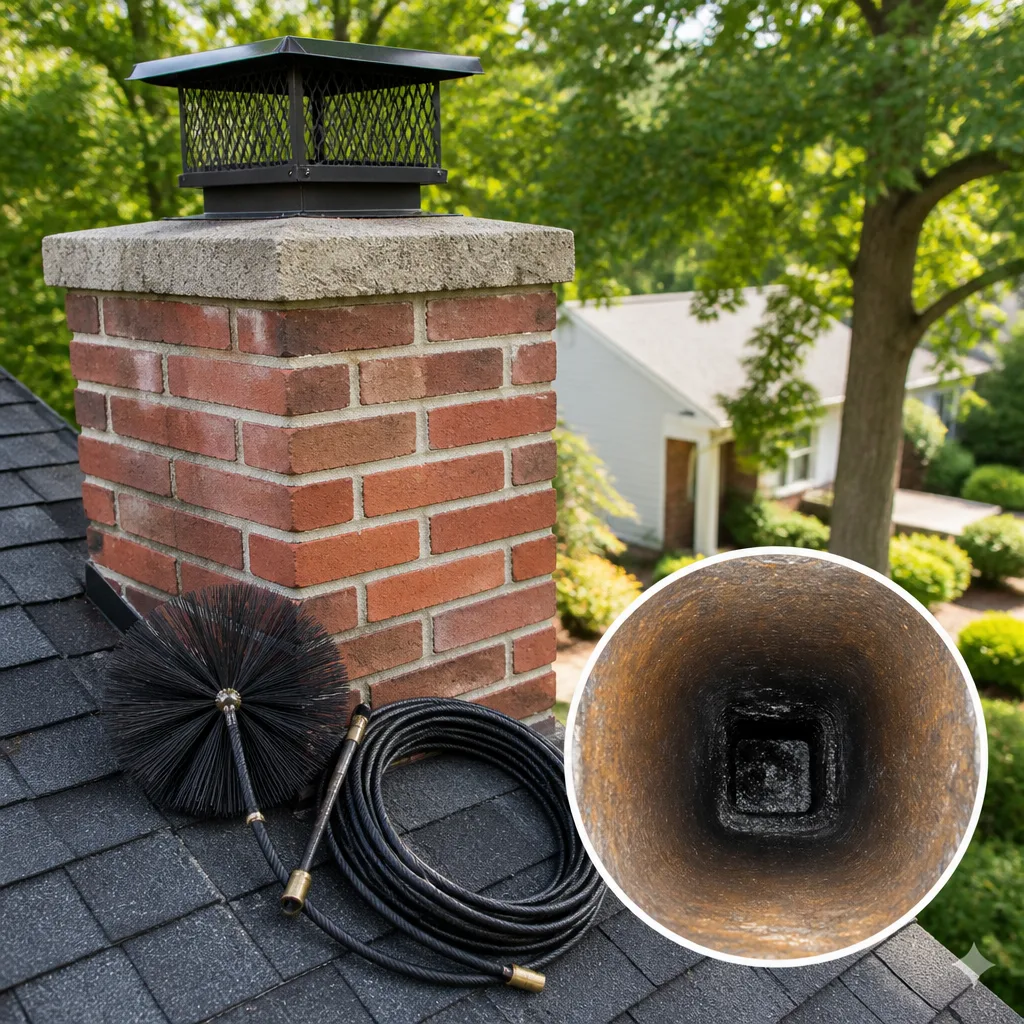 Sweep & inspection
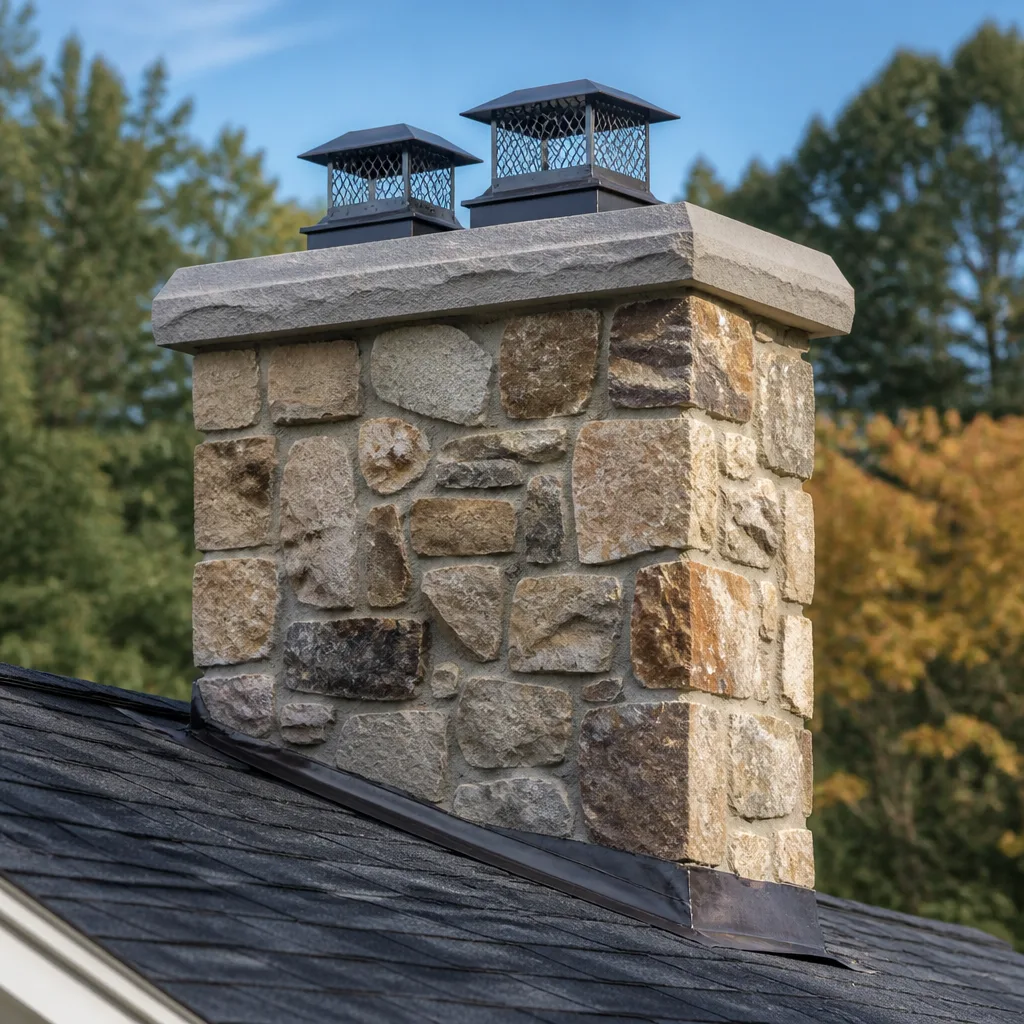 Caps & crowns
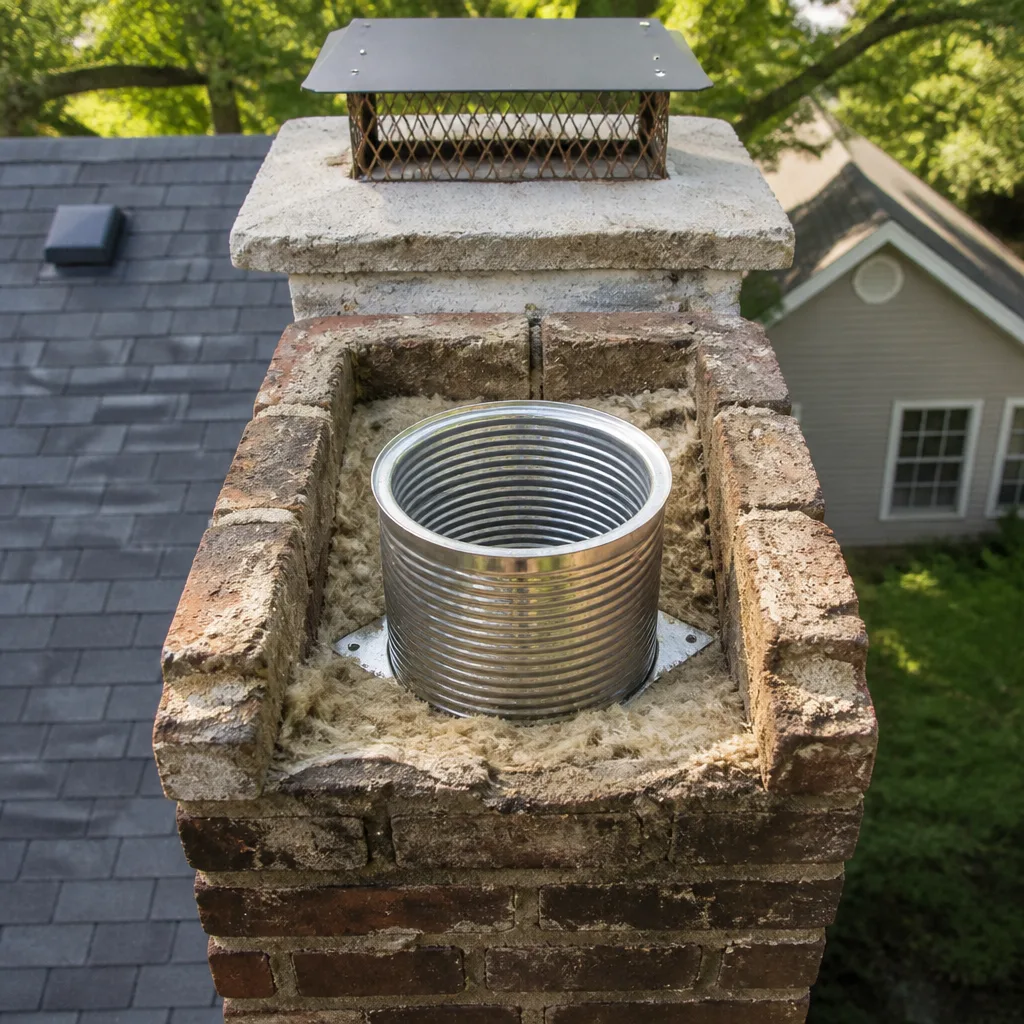 Flue relining
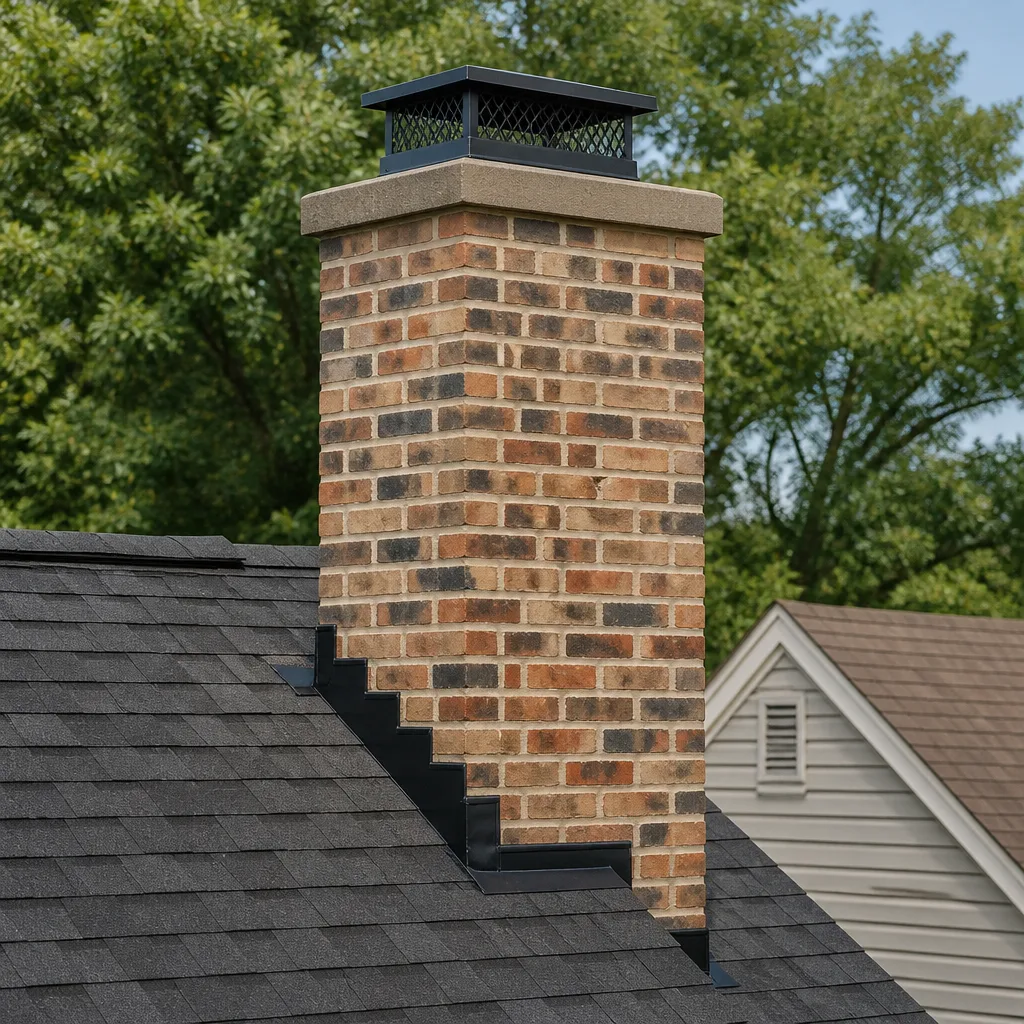 Masonry repair
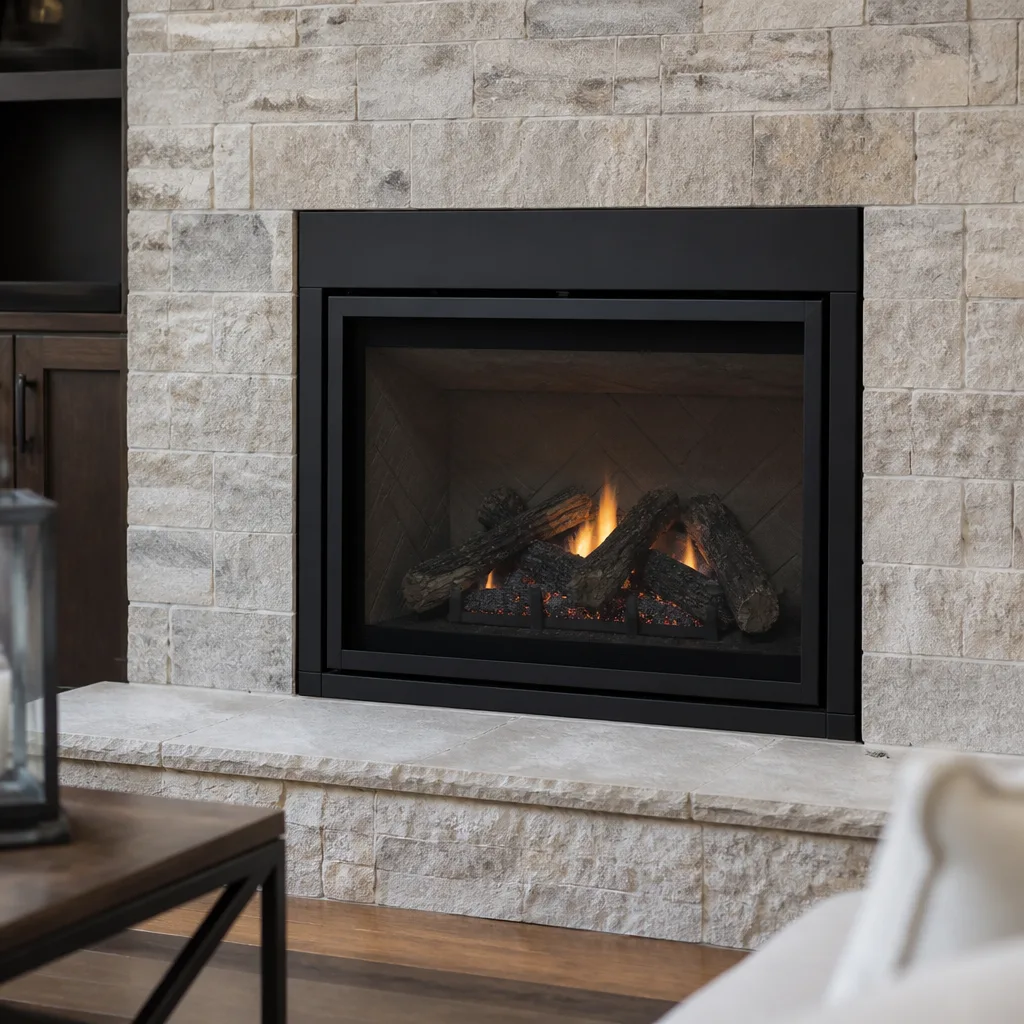 Gas fireplace service
Level 1 sweep and inspection to the NFPA 211 annual standard - flue, crown, cap, and flashing checked and photographed
Chimney sweep logs do not sweep chimneys. They loosen some creosote - which then falls where a brush and vacuum still have to collect it.
Chimney Cleaning in East Nashville: Why Your House Is Not Like the Guidebooks
Most East Nashville chimneys were built before 1978, the year the first national flue-sizing standard took hold. That single fact matters more than any cleaning tip you’ll read online, because almost every generic guide assumes a modern, correctly sized flue that your pre-war bungalow or 1960s ranch conversion probably doesn’t have. The advice that works for a subdivision house built last decade can be flat wrong for a masonry chimney in Eastwood or Lockeland Springs. This guide maps the actual realities of East Nashville housing to what a sweep really does inside your flue, so you stop guessing about creosote, inspection levels and cleaning frequency and start maintaining the chimney you actually own. We’ll cover how masonry differs from prefab, what creosote stages look like, why our humid tree canopy matters, and what “complete” cleaning means.
Quick Answer
Chimney cleaning in East Nashville means removing creosote and soot from the flue, smoke chamber and firebox, then confirming the chimney is safe to use with an inspection. The right cleaning method and frequency depend on your chimney’s construction, your burning habits and the local conditions here, not on a one-size-fits-all calendar. An annual sweep and inspection before burning season is the baseline, but older masonry chimneys in this neighborhood often need closer attention than that schedule suggests.
Styles & brands we work with
- Sweep & inspection
- Caps & crowns
- Flue relining
- Masonry repair
- Gas fireplace service
Table of Contents
- How East Nashville’s Housing Stock Changes Chimney Cleaning
- Masonry Chimneys vs. Prefab Units: Why the Method Differs
- The Three Stages of Creosote and Why the Stage Matters
- Trees, Humidity and How They Speed Up Creosote Buildup
- When You Need a Level 2 Inspection After Storm Season
- What “Complete” Cleaning Actually Includes
- What Happens During a Sweep, Step by Step
- How Often Should You Book a Chimney Cleaning?
How East Nashville’s Housing Stock Changes Chimney Cleaning
East Nashville is not one kind of neighborhood, and your chimney’s needs follow the house. The area holds a dense mix of pre-war bungalows with original masonry chimneys, ranch homes from the 1960s that were later converted or added onto, and fast-built infill construction that fills gaps between older properties. Each type creates different cleaning needs that a national guide never touches.
Pre-war bungalows often have a masonry chimney built around a clay tile flue liner. Those liners were sized for coal or for the fireplaces of their era, not for a modern high-efficiency wood insert or a gas appliance retrofit. When a liner is oversized for the appliance, the flue gases cool too quickly, which speeds creosote condensation on the tile. That’s a construction and sizing issue, and it means cleaning alone won’t solve the buildup if the mismatch stays.
The 1960s ranches bring their own wrinkle. Many were built with a single flue serving multiple purposes over time, and later conversions swapped appliances without rethinking the flue. Infill construction, meanwhile, is often newer but was built fast, and the chimney details can be inconsistent from one property to the next.
What this means for you:
- Older masonry chimneys need the whole system checked during every sweep, not just a brush run down the flue.
- A flue sized for an old fireplace may not vent a modern insert well, and cleaning won’t fix a sizing problem.
- Converted and infill homes can hide appliance swaps that changed the chimney’s demands.
- Original clay tile liners in East Nashville weather and crack over time, which is a repair question, not a cleaning one.
This is the core reason so much of our work here starts with a conversation about what the house actually has, not what a schedule says it should need. For a closer look at the sweep itself, see our Chimney Sweep East Nashville page.
Masonry Chimneys vs. Prefab Units: Why the Method Differs
Masonry and prefab chimneys are cleaned differently, and mixing up the method is one of the most common ways a sweep goes wrong. A masonry chimney is built on site from brick or stone around a flue liner, usually clay tile. A prefab (factory-built) chimney is a metal system assembled from matching components with its own tested clearances and a specific liner inside.
Inside a masonry chimney, we work around the clay tile liner, watching for cracked tiles, gaps at the joints and a smoke shelf that traps soot. The masonry itself is porous, so it holds moisture and can deteriorate in ways a metal unit never will. Cleaning has to account for the liner’s condition: brushing a flue with broken or badly spalled tile can make a bad situation worse. That’s why a masonry sweep includes a visual check of the tile and the firebox, and why we’d rather flag a crack and explain it than brush over it.
Prefab units follow the manufacturer’s components instead. The metal liner, the cap and the firebox are part of a tested system, and cleaning has to respect clearances that are built into the design. If any part of a prefab system is damaged or mismatched, the safe recommendation may be a replacement of the affected component rather than a repair improvised on site.
Why this matters for East Nashville specifically: the older homes near Five Points and Lockeland Springs are mostly masonry, while the newer infill homes tend to be prefab. The two call for different tools, different inspections and different repair paths. A sweep company that treats every chimney the same will either skip the liner check on a masonry house or overreach on a prefab one.
When a masonry flue is structurally sound but the liner has deteriorated, resurfacing can restore it without a full reline. We use HeatShield for exactly that job: it rebuilds the inside face of a deteriorating flue so the chimney keeps working without a liner replacement. When the liner needs to be replaced outright, we use DuraFlex flexible liner systems, an industry-standard choice for safe, durable relining.
The Three Stages of Creosote and Why the Stage Matters
“How dirty is it?” is the wrong question. What matters is what stage the creosote is in, because the stage tells you how easily it comes off and how dangerous it is. Creosote builds up when wood smoke cools inside the flue and condenses on the liner. It’s not uniform. It forms in three recognizable stages, and each one changes the cleaning job.
- First-degree creosote is a light, flaky soot you can usually see as a dusting on the flue walls. It brushes off easily with a standard sweeping. This is the stage you want to catch every year, because it’s the cheapest and simplest to remove.
- Second-degree creosote is a denser, crusty, sometimes shiny deposit that clings to the liner and doesn’t flake off on its own. It takes a proper rotary brush and more work to remove, and it’s a sign the flue gases have been cooling and condensing more than they should. A mismatched liner in an older East Nashville bungalow is a common cause.
- Third-degree creosote is a hardened, glazed, tar-like coating, and it’s the fire-risk layer. It can be difficult or impossible to remove with a brush alone and often calls for chemical treatment or, in severe cases, liner work. This is the stage where a homeowner should stop burning until the chimney is cleaned and checked.
The reason the stage matters more than the amount is simple. A thin layer of glazed third-degree creosote is a bigger problem than a thick coat of first-degree soot. The first can ignite; the second just means you’ve been burning a while. When we sweep, we can tell you which stage you’re looking at and what it says about how you’re burning and how your flue is venting.
Two things drive a chimney toward second and third-degree creosote: burning unseasoned or wet wood, and a flue that lets gases cool before they exit. In East Nashville’s older masonry homes, both are common, because the flue may be oversized for how the fireplace is actually used now. If we find heavy deposits, we’ll show you what we removed and explain what would keep it from returning.
Trees, Humidity and How They Speed Up Creosote Buildup
East Nashville’s tree canopy and summer humidity are not just pleasant for the yard. They shape how fast your chimney fouls. A dense canopy of oaks, maples and other hardwoods over many of the neighborhood’s lots drops a good deal of leaf litter and debris onto roofs and into chimney caps each fall. When a cap is missing, cracked or screened loosely, that debris finds its way in and compounds whatever creosote is already building on the flue wall.
Humidity works on the masonry itself. Brick and mortar are porous, and a humid East Nashville summer drives moisture into the chimney structure. A chimney that stays damp through the warm months can have its liner and brick deteriorate quietly, so by the time fall arrives, the flue may be less sound than it was the year before. Moisture and creosote together are a worse combination than either alone, because a cracked or damp liner gives deposits a better grip and gives heat a path it shouldn’t have.
Compare that to the dry, high-desert climates many national guides are written for, where chimneys dry out quickly and debris blows clear. Here, the combination of a longer humid stretch, leaf-heavy canopy and a lot of older masonry translates into two practical rules:
- Keep the cap in good repair. A chimney cap is the first line of defense, stopping rain, debris and animals before they reach the flue. Gelco and Famco caps are what we install and repair because they hold up to the local weather and fit properly.
- Sweep before the fall, not after the first cold snap. By the time you’re burning steadily, the creosote from last season and the summer’s moisture damage are both set. Getting the flue clean and checked in late summer or early fall means the first fire of the season goes up a clean, dry chimney.
Water intrusion through a failing cap or crown is the leading cause of chimney deterioration we see in East Nashville. That’s why cap and crown work is part of the same conversation as cleaning, not a separate project. You can read more about that on our chimney cap & crown page.
When You Need a Level 2 Inspection After Storm Season
Nashville’s storm seasons earn a Level 2 inspection, and it’s not a sales upsell. A Level 1 inspection is the standard visual check that comes with a routine sweep: what’s reachable and visible without special tools, done every time we clean. A Level 2 inspection goes further. It’s warranted after any event that could have changed the chimney’s condition, and in this region that includes severe storms, high winds, a lightning strike nearby, a chimney fire (even a small one you didn’t fully notice), or a change like a new appliance or a house sale.
A Level 2 inspection includes all of the following:
- Everything in a Level 1, plus a closer look at accessible parts of the attic, crawl space and other areas connected to the chimney.
- Video scanning of the flue interior, so the liner can be examined along its full length instead of just what the eye reaches from the top or bottom.
- Checking the condition of the liner, joints, cap, crown and flashing for damage that storms can cause.
- A written account of what we found, with photos you can see and keep.
Why the storm emphasis here? High wind can loosen or lift a cap, drive water past flashing or crack mortar, and none of that is visible from the hearth below. Add Nashville’s summer humidity to a storm-damaged crown and the masonry starts taking on water right through the season. A video scan after a bad storm tells you whether the flue is sound or whether something shifted.
We don’t recommend work you can’t verify. If the camera shows a sound liner and a tight cap, the inspection report will say so and we’ll tell you the cleaning can stand on its own. If it shows damage, you’ll see the same image we do before you decide anything. That’s the point of the scan: it replaces guesswork with evidence you can review.
What “Complete” Cleaning Actually Includes
A brush-only sweep is not the same as a full-system cleaning, and the difference is where a lot of problems hide. A brush run down the flue clears the main chimney, but soot and creosote also collect in the smoke chamber and the firebox, and those areas affect both draft and safety. “Complete” means the whole path the smoke travels gets attention, not just the straight vertical part.
Here’s what a full-system cleaning covers:
- The flue itself, brushed and vacuumed from top to bottom, with the deposit stage noted.
- The smoke chamber, the sloped area just above the damper. It’s oddly shaped and collects soot that a flue brush never touches, and built-up deposits there are a fire concern. This is a spot many quick sweeps skip.
- The firebox, cleared of ash, soot and debris, with the brickwork and mortar checked for cracks.
- The damper, checked to confirm it opens, closes and seals as it should.
- The cap and crown, checked so the top of the system isn’t letting water in right after we’ve cleaned the bottom.
The last two points matter more than they sound. A cleaning that leaves a broken damper or a cracked crown is a cleaning that missed the two things most likely to undo it. Cap and crown work protects the investment you’ve already made in the chimney, and the damper controls how the fireplace burns day to day.
That whole scope is something we handle without handing you off to another contractor. Inspection, sweep, cap, crown, fireplace repair and chimney repair all sit with the same team, so the person who cleans your flue is working in the same specialty as the person who fixes the crown. And because every job is chimney work, a Level 1 inspection and a liner replacement get the same attention to the system as a whole. If your firebox or damper needs work, our fireplace repair page lays that out.
What Happens During a Sweep, Step by Step
A sweep is a sequence, not a single action, and knowing the steps helps you understand what you’re paying for. Here’s how a typical full-system cleaning goes in an East Nashville home:
- We protect the room. Drop cloths and a HEPA vacuum keep soot out of your living space while we work. Cleaning a chimney shouldn’t leave the room dirtier than we found it.
- We inspect before we clean. A quick look at the firebox, damper and cap tells us what we’re dealing with and whether anything needs a closer Level 2 look.
- We clean the flue with the right brush for the liner. Clay tile, metal prefab liner and resurfaced flue each take a different approach, and the deposit stage decides how much work the walls need.
- We clear the smoke chamber and firebox. The soot that collects above the damper and around the firebox comes out, not just the flue.
- We check the damper, cap and crown. These are the parts that keep the flue working and dry, so we confirm their condition before we call the job done.
- We show you what we found. Before-and-after photos and a plain explanation of the deposit stage and any repair issues, so you decide with evidence in hand.
The camera inspection and photo report are part of how we work, because the biggest worry people bring us is being told they need expensive liner or masonry work they have no way to check. We’d rather show you the scan and let it speak. If something can safely wait, we say so.
The whole visit usually doesn’t run long, but the exact timing depends on the chimney, the deposit stage and whether a Level 2 scan is needed. Pricing is set per job by a written estimate after we’ve seen the system, so you know the number before any work begins.
How Often Should You Book a Chimney Cleaning?
Once a year is the widely cited baseline, but for many East Nashville homes that’s a floor, not a full answer. The honest rule is: clean and inspect based on what you burn and how the chimney is built, not just on the calendar. For a household burning regularly through the winter, an annual sweep before the season is a sensible minimum. For a home that burns heavily, uses a lot of unseasoned wood, or has an older masonry flue that’s oversized for its appliance, a mid-season look can catch second-degree creosote before it hardens.
Homes that burn rarely still shouldn’t skip the inspection. A chimney that sits unused for a year or two can develop a cracked crown, a loosened cap or animal nesting without anyone noticing. The cleaning may be light, but the check is what protects the house.
Three factors push you toward more frequent cleaning in this neighborhood:
- The fireplace is used regularly through the cooler months.
- The wood you burn is unseasoned, wet or mixed with scrap.
- The chimney is older masonry with a liner that may be undersized or aging.
Getting on a consistent schedule also makes the annual sweep cheaper in the long run, because a flue that never reaches second-degree creosote is easier and safer to clean than one that’s been let go. For the full picture of the service, see our page on a chimney sweep and what it includes.
Common Mistakes to Avoid
- Judging the job by how dirty it looks. A faint glaze of third-degree creosote is more dangerous than a thick coat of soot, and the visual “how dirty” test misses the stage entirely. Ask what stage, not how much.
- Skipping the smoke chamber. A brush-only sweep leaves the oddly shaped chamber above the damper untouched, and that’s where soot collects and clings. A complete cleaning covers the whole path, not just the flue.
- Burning wet or unseasoned wood to save money. It’s the fastest route to second and third-degree creosote, especially in an older East Nashville flue that already cools gases more than it should. Seasoned wood protects the liner you have.
- Letting a cracked crown go through another humid summer. Water intrusion is the leading cause of chimney deterioration here, and a small crown repair caught early prevents a much larger one later. Cap and crown checks belong with the cleaning.
- Burning after a storm without a Level 2 look. High wind can loosen a cap or crack mortar in ways you can’t see from the hearth. A video scan after a bad storm is how you catch it before you light a fire.
- Hiring a generalist who treats every chimney the same. A masonry flue and a prefab unit take different tools and different checks, and a sweep that doesn’t distinguish them will miss something.
- Accepting a big repair quote you can’t verify. Any liner or masonry recommendation should come with camera evidence you can see. If you’re asked to approve major work without it, get a second look.
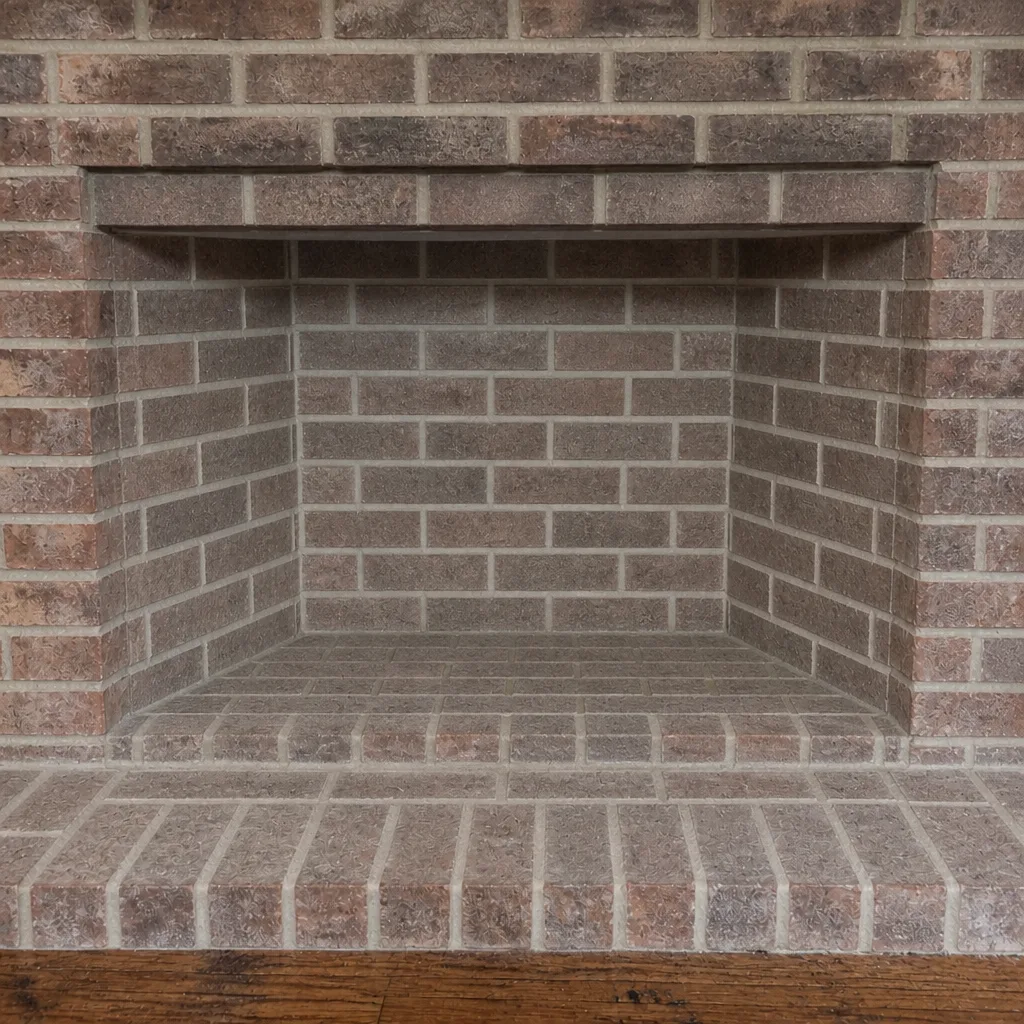
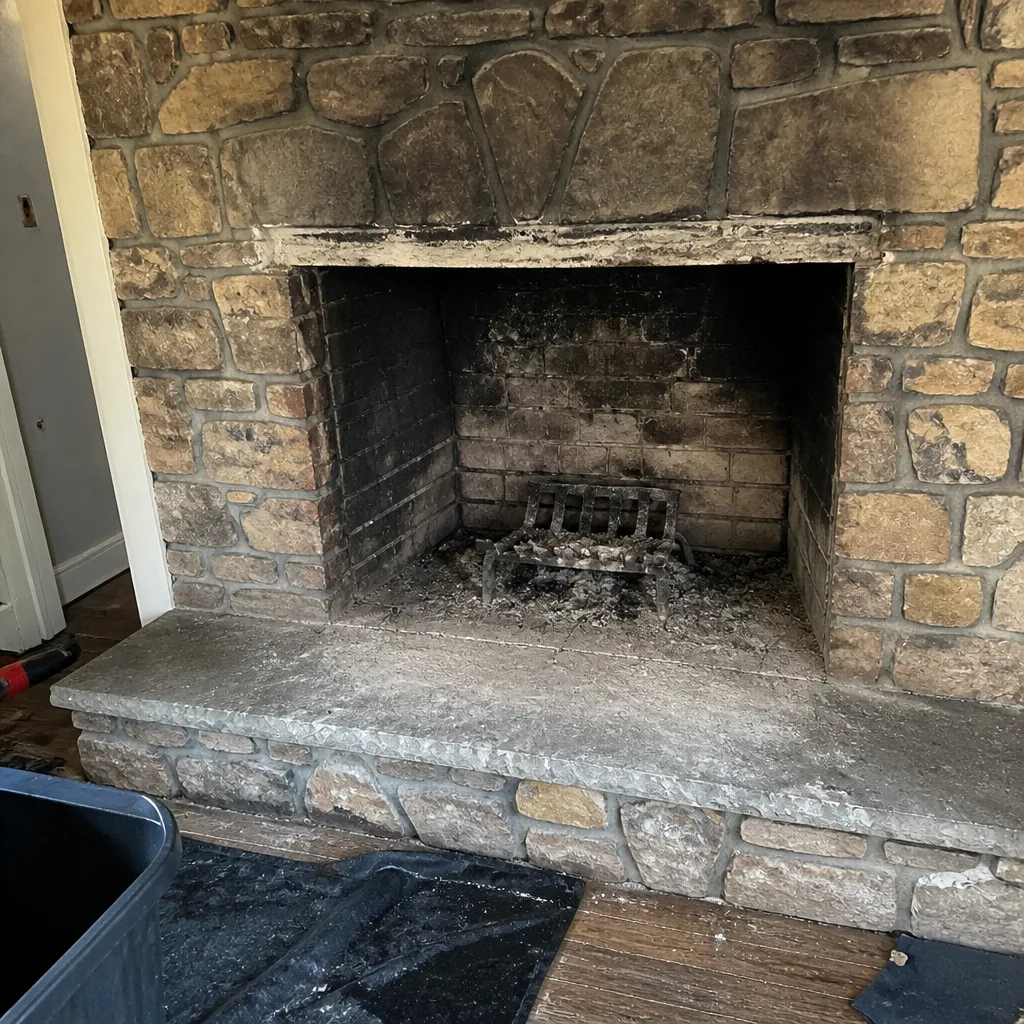
See the difference
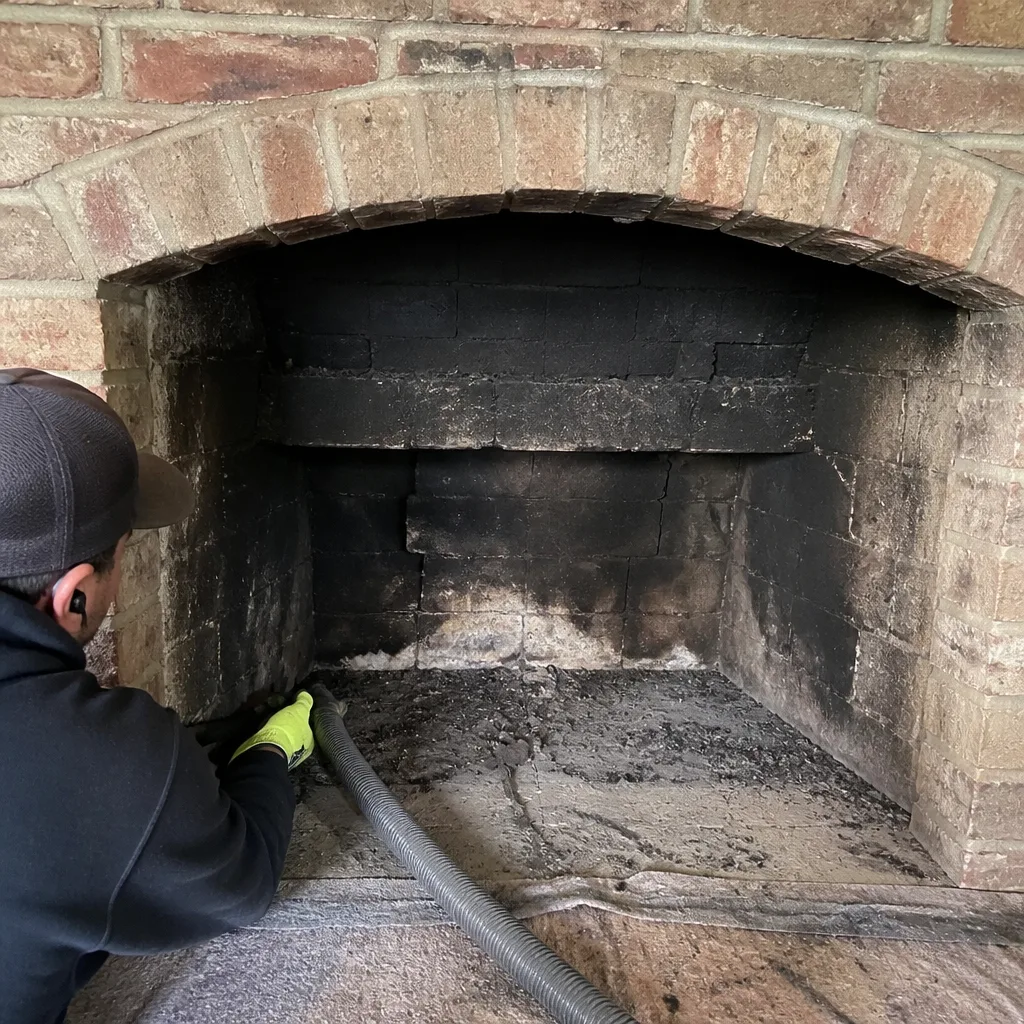 Before
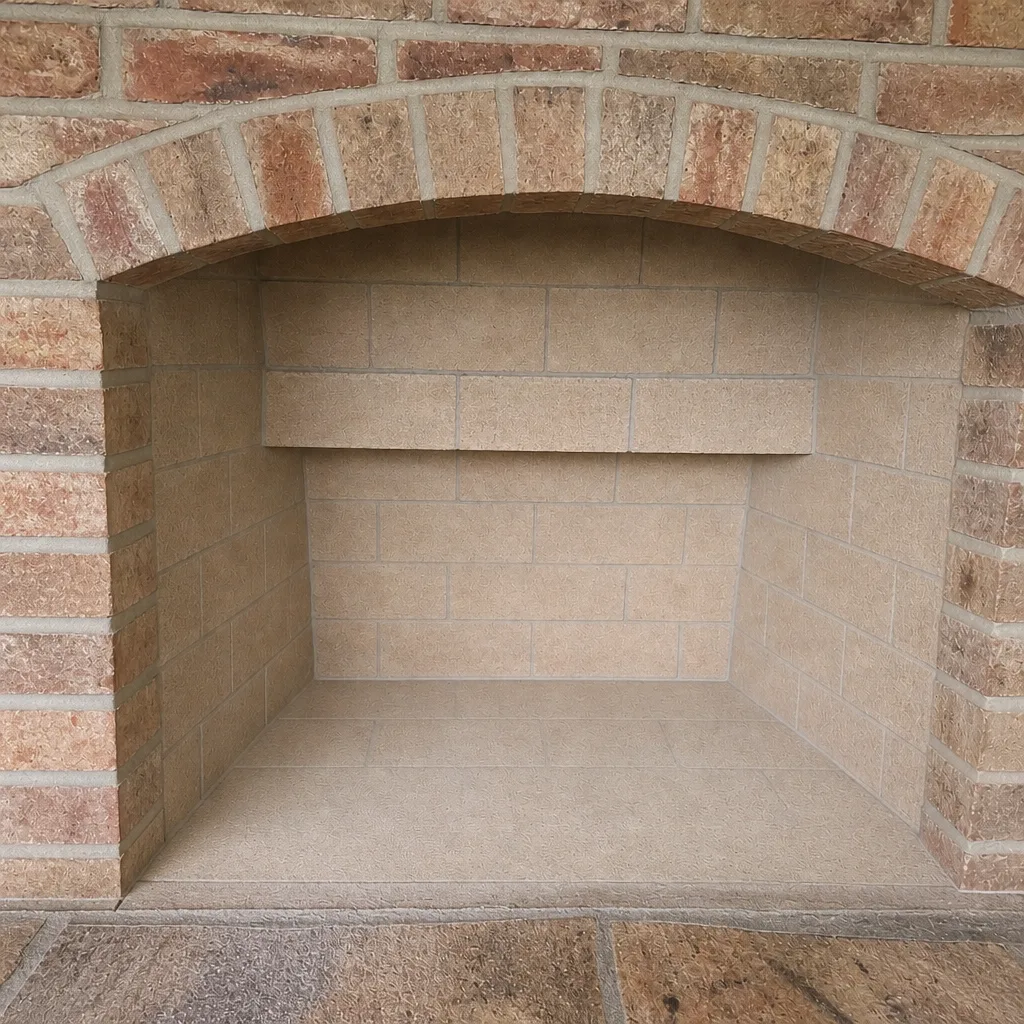 After
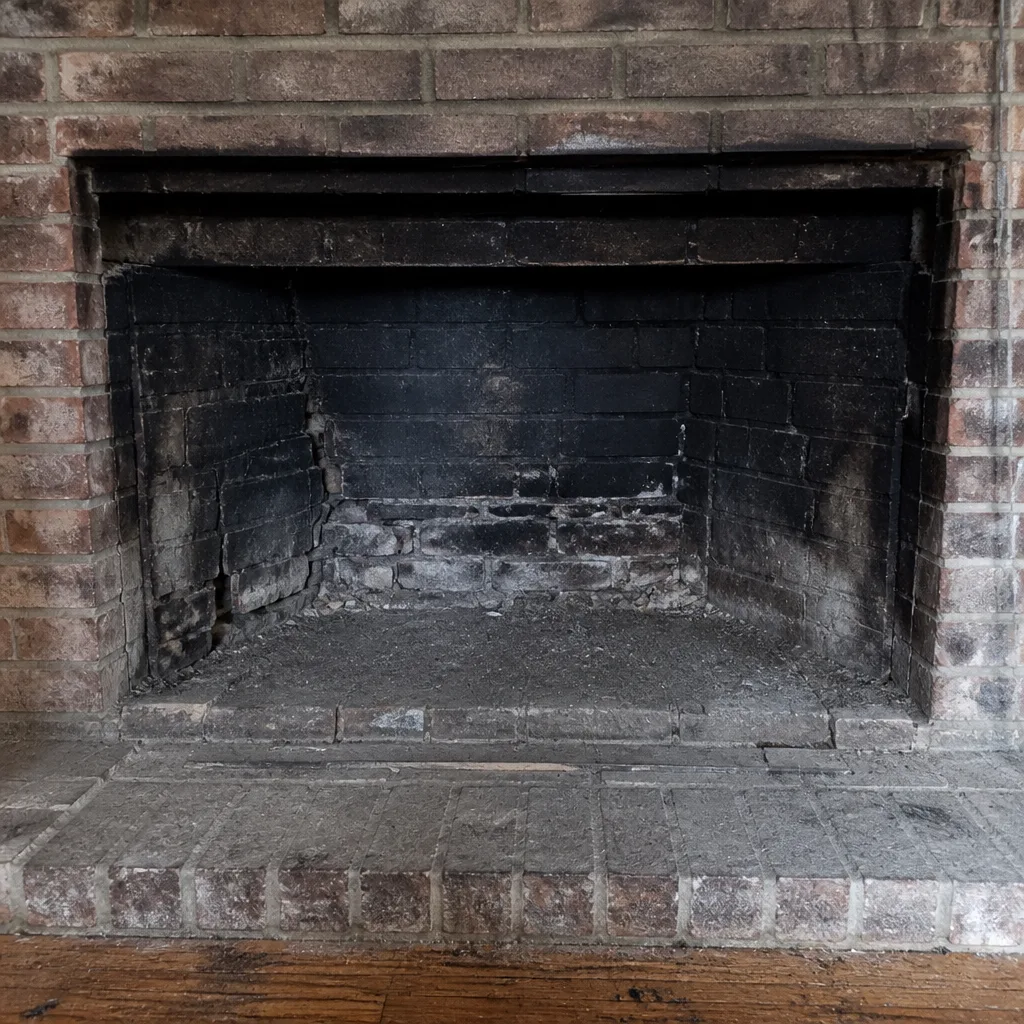 Before
 After
 Before
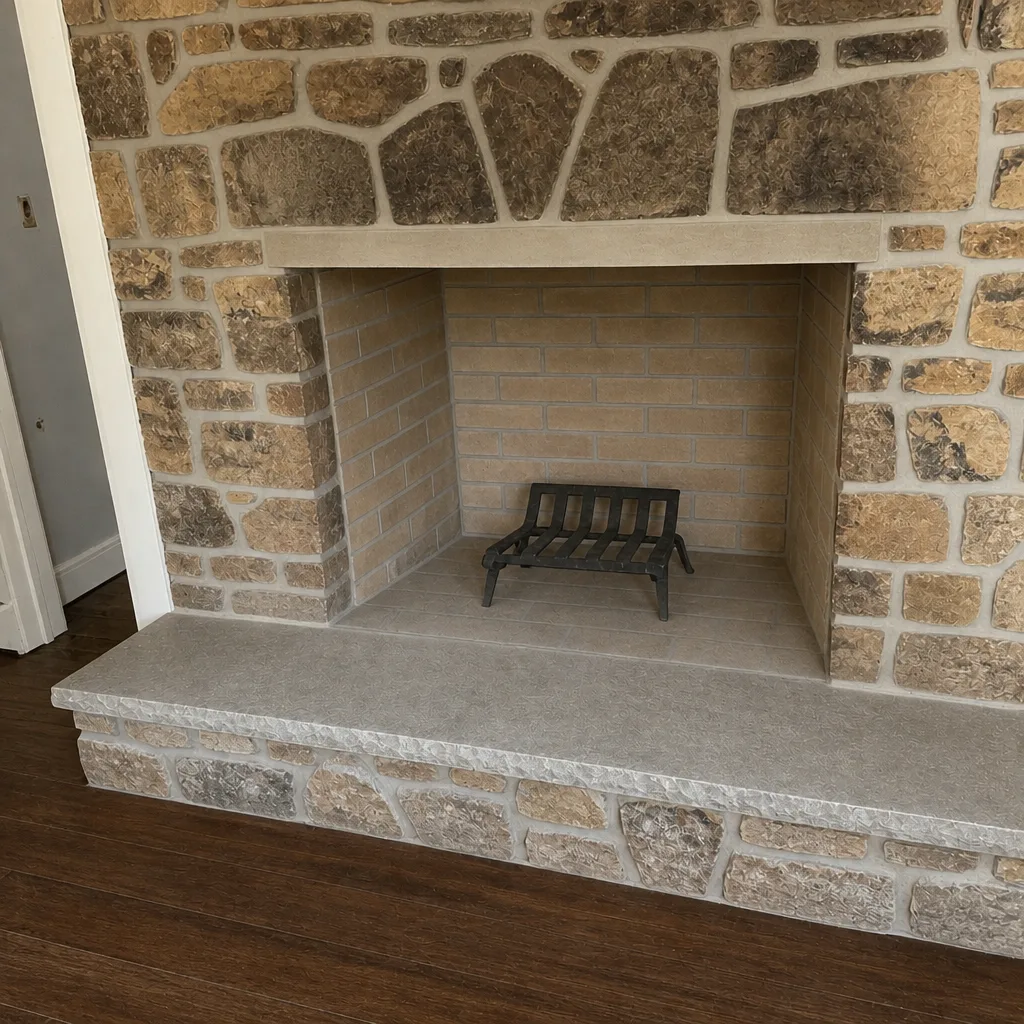 After
When to Call a Professional
Call a professional when you smell a strong creosote odor that lingers through the warm months, when smoke backs into the room instead of going up the flue, when you’ve had a chimney fire even a small one, or when a storm has passed through and you haven’t had the system checked. Call before the first fire of a new season if you don’t know when the chimney was last cleaned. And call if a previous sweep quoted a repair you couldn’t verify; we’ll show you the scan before you decide anything. Some of that work can safely wait, and we’ll tell you so. Chimney Sweep East Nashville offers free estimates in East Nashville. Call (877) 792-5705.
Frequently Asked Questions
A standard chimney cleaning in East Nashville is priced per job once we’ve seen the system, and the written estimate sets the final price before any work starts. Cost depends on the chimney type, the deposit stage and whether a Level 2 inspection is needed. The estimate itself is free. Call (877) 792-5705 for an exact quote; estimates are free.
Annual sweeping and inspection is the baseline, and heavier use or an older masonry flue may warrant a closer schedule. East Nashville’s humidity and tree canopy speed up creosote and moisture issues, so a pre-season sweep makes more sense than waiting until you notice a problem. Call (877) 792-5705 to book a sweep.
You need one after any event that could have changed the chimney’s condition, such as a severe storm, a chimney fire or an appliance change. A Level 2 adds video scanning of the full flue and a written photo report beyond a standard check. If your last event was a stormy season with no follow-up, it’s worth asking. Call (877) 792-5705 for an exact quote.
You usually can’t tell reliably from the hearth, because the stage shows up inside the flue where the deposits form. A sweep confirms whether it’s flaky first-degree soot, crusty second-degree deposits or glazed third-degree creosote. The stage, not the amount, decides how it gets cleaned. Call (877) 792-5705 to have it checked.
Creosote keeps building and can move from a light flaky layer to hard glazed deposits that are a chimney fire risk, while moisture slowly damages a cap or crown that goes unchecked. Skipping the annual check also means a small repair turns into a bigger one. Call (877) 792-5705 for an honest assessment before the next burning season.
No. A brush-only sweep clears the flue but leaves the smoke chamber, firebox and damper unchecked, and those are where soot collects and problems hide. A full-system cleaning covers the whole path smoke travels. Call (877) 792-5705 to book a complete cleaning.
The Bottom Line
East Nashville’s chimneys aren’t generic, and neither is the maintenance they need. Pre-war masonry homes and fast-built infill units call for different cleaning methods, the creosote stage matters far more than how dirty the flue looks, and our humidity and tree canopy push buildup faster than drier climates do. Keep the cap and crown sound, sweep before the season, and get a Level 2 scan after storm season so you’re working from evidence, not guesswork. A complete cleaning covers the smoke chamber, firebox and damper, not just the flue. When work can safely wait, we’ll tell you.
Contact Us
If your chimney hasn’t been checked since last season, or a storm has rolled through since, the best next step is a straight answer about what your system actually needs. We’ll inspect, show you the evidence, and explain what’s urgent and what can wait. Call (877) 792-5705 for a free estimate. We answer 24/7, with fast dispatch from 7am to 7pm, Sunday through Friday. Our technicians have up to 14 years of experience, and we work exclusively with professional chimney product lines like DuraFlex, HeatShield, Gelco, Olympia Chimney, Famco and Copperfield so the work is done with materials built for the trade.
Written by the team at Chimney Sweep East Nashville.