
Last updated November 24, 2026
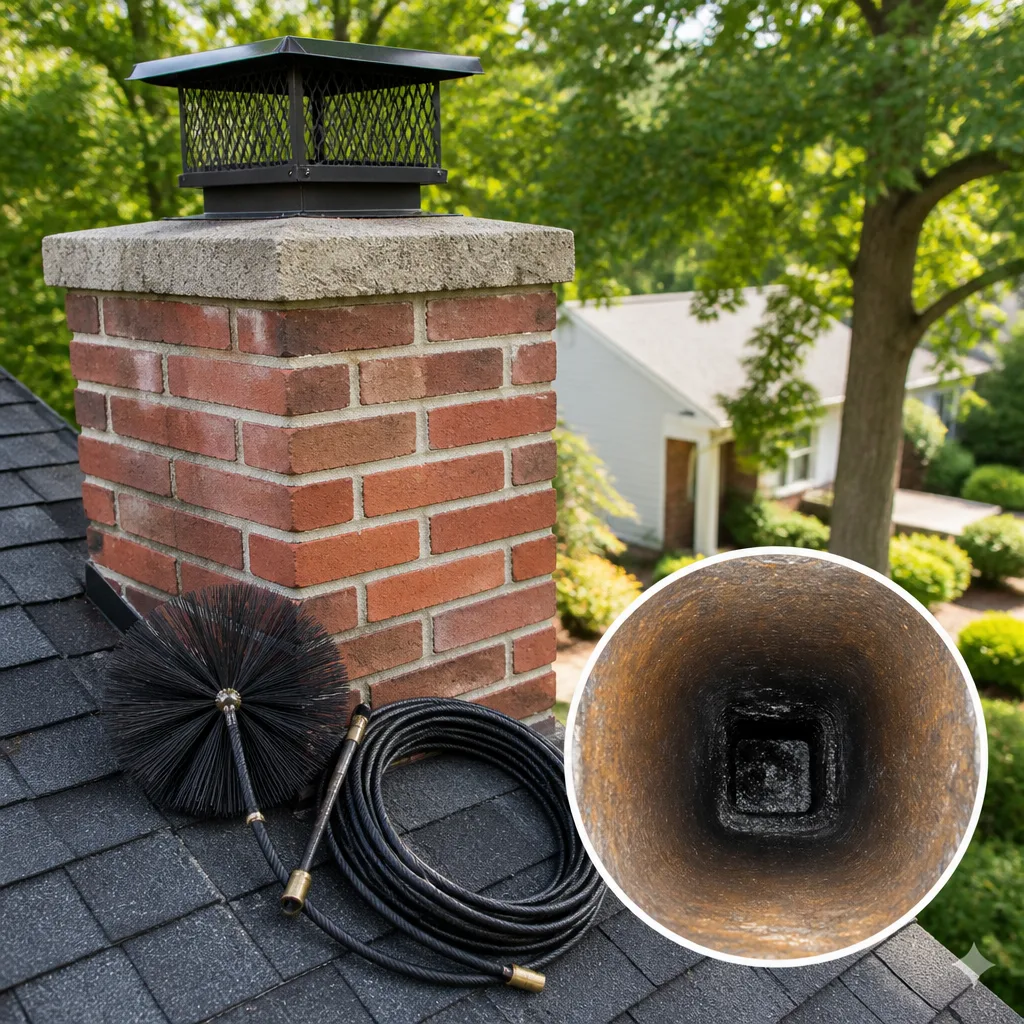 Sweep & inspection
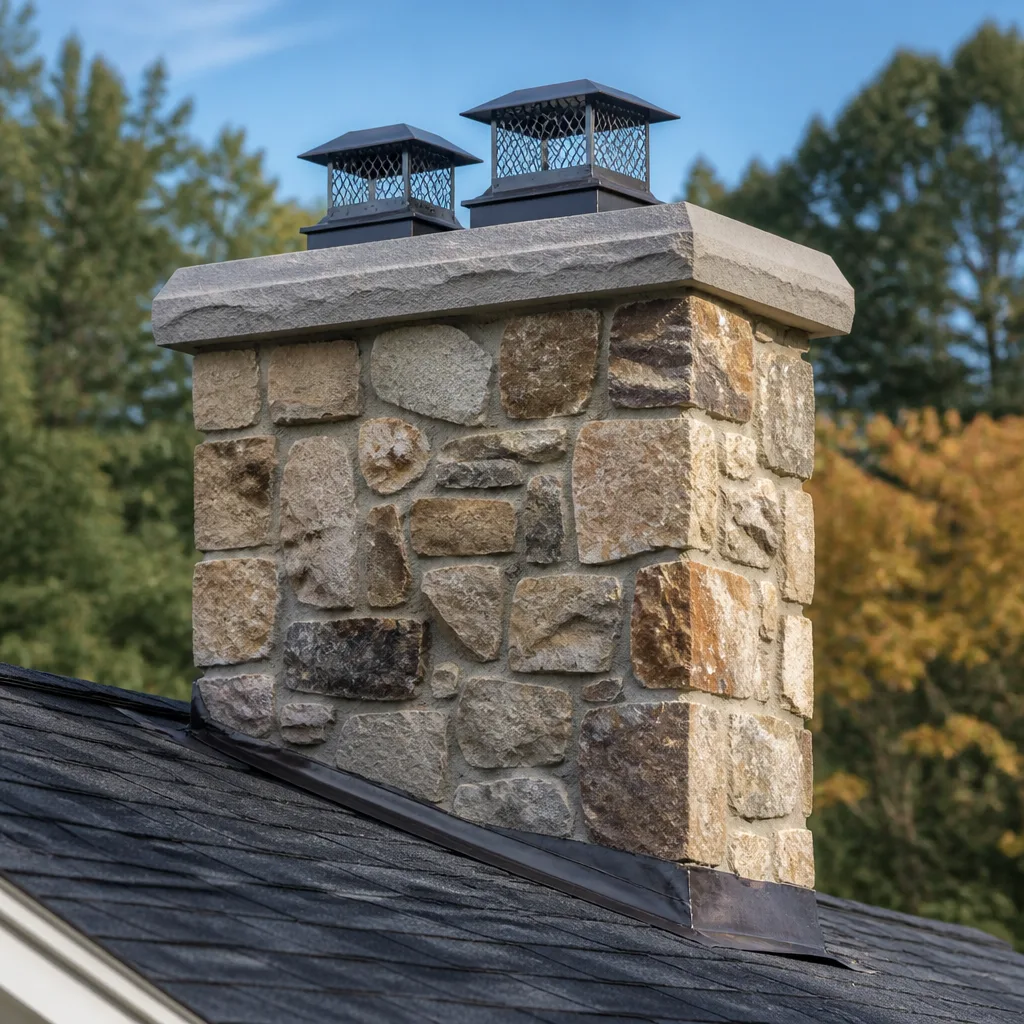 Caps & crowns
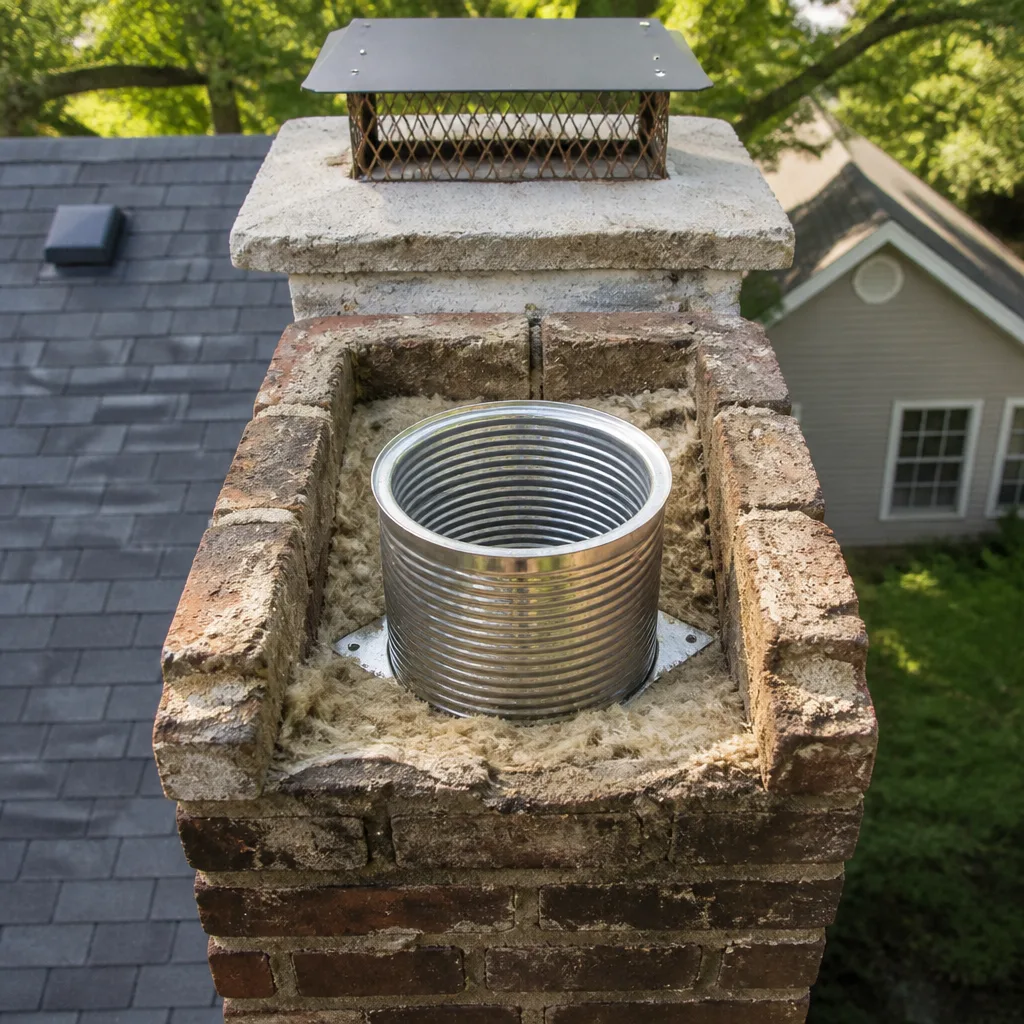 Flue relining
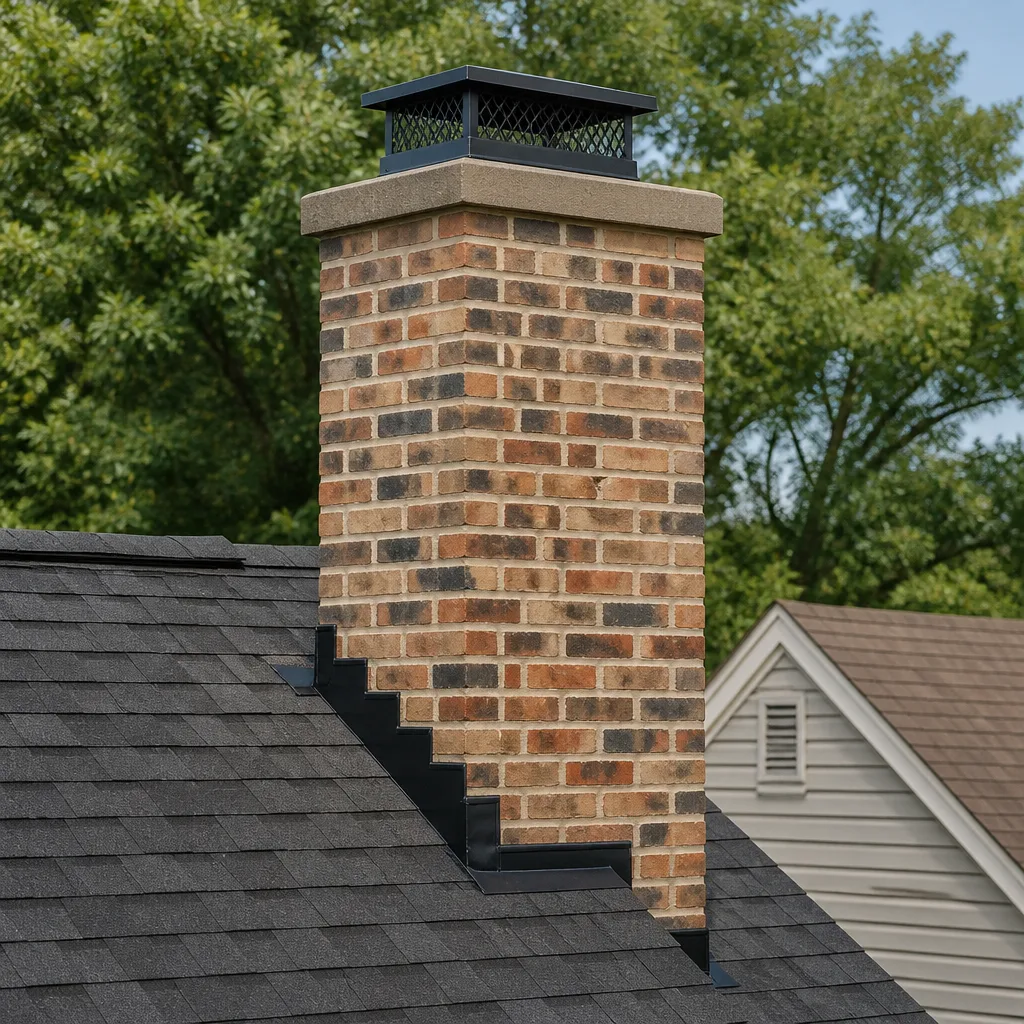 Masonry repair
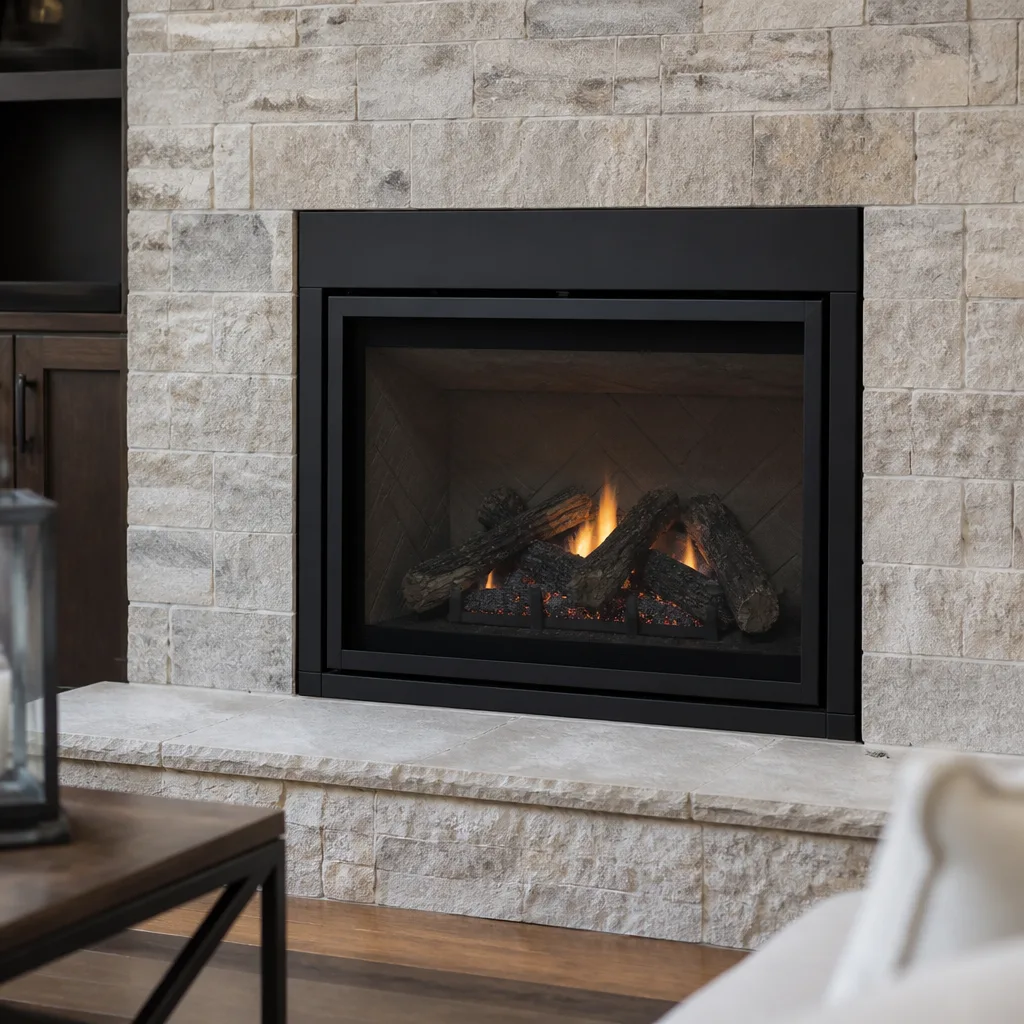 Gas fireplace service
Level 1 sweep and inspection to the NFPA 211 annual standard - flue, crown, cap, and flashing checked and photographed
Chimney sweep logs do not sweep chimneys. They loosen some creosote - which then falls where a brush and vacuum still have to collect it.
Choosing the Right Chimney Cleaning Brand: A Buyer’s Guide for East Nashville
Two buckets of chimney crown sealant can sit side by side on a shelf and look identical. Same color, same thickness, same label style. One is mixed for retail sale to a homeowner patching a crack on a Sunday. The other is mixed for a contractor who expects it to hold through years of freeze-thaw cycles in Middle Tennessee. The polymer concentration, the temperature rating, and the flexibility after curing can all differ. That gap between retail grade and contractor grade is what this guide is about, and it’s a gap most East Nashville homeowners never get told about when they’re comparing chimney companies.
By the end you’ll know which product categories actually matter, how to ask a contractor what they use, and what a good answer sounds like. You’ll also know how material quality connects to the warranty you get in writing.
Quick Answer
The right chimney cleaning brand is less about a company name and more about what products the contractor puts inside your chimney. A qualified East Nashville chimney professional uses contractor-grade flue liners, crown sealants, waterproofing, and creosote treatments from professional supply networks, not retail substitutes. Ask what they use and why, and expect a specific answer. If the answer is vague, keep looking.
Styles & brands we work with
- Sweep & inspection
- Caps & crowns
- Flue relining
- Masonry repair
- Gas fireplace service
Table of Contents
- Where product grade actually matters
- Flue liners: the material that determines your chimney’s future
- Crown sealants and waterproofing: stopping water before it starts damage
- Creosote modifiers and what they can and can’t do
- How to ask a contractor what products they use
- Why big-box chimney products are built for a different customer
- How materials connect to workmanship warranties
- The East Nashville climate factor
Where Product Grade Actually Matters
Not every product in a chimney job carries the same risk. Some categories have wide performance spread between retail and contractor grade; others barely differ. Knowing which is which helps you spend your attention where it counts.
The four categories that matter most:
- Flue liners. A liner is a long-term investment that lives in a hot, acidic environment. Flexible stainless systems from brands like DuraFlex are engineered and tested for that environment. A retail kit may meet the same general standard on paper but rarely matches the wall thickness, alloy grade, or joint design of a professional system.
- Crown sealants. The crown is the concrete cap at the top of the chimney. Flexible crown sealants must survive sun, freeze-thaw, and thermal movement without cracking. Contractor-grade formulations hold their elasticity longer than retail versions.
- Waterproofing treatments. Masonry waterproofing needs to let vapor escape while repelling liquid water. Retail sealers sometimes trap moisture inside the brick, which accelerates spalling. Professional breathable sealers are formulated differently.
- Creosote modifiers. Chemical treatments change how creosote deposits form and bond inside the flue. They work alongside sweeping, not instead of it, and the professional-grade versions are formulated to be compatible with a swept flue.
In East Nashville, where a lot of housing stock is older brick and masonry, the waterproofing category tends to matter more than homeowners expect. Brick that stays wet through a Nashville winter has a shorter life than brick that dries out between storms.
Flue Liners: The Material That Determines Your Chimney’s Future
A flue liner is the barrier between combustion gases and the structure of your house. When a liner cracks or deteriorates, the chimney no longer vents safely, and repair isn’t optional. This is the single most consequential product decision in chimney work.
We use DuraFlex flexible liner systems for relining because they’re built for the job a liner actually does: containing heat and corrosive byproducts over decades inside a masonry channel that wasn’t designed for a retrofit. DuraFlex is one of the systems that certified chimney professionals across the country install, which means parts, fittings, and installation knowledge are consistent from one job to the next.
Here’s what separates a professional liner system from a retail kit:
- Alloy and wall thickness. Professional systems publish their alloy grade and thickness. Retail kits often don’t, or list only a generic “stainless steel” description.
- Joint and seam construction. A liner’s weak points are its seams. Contractor systems are engineered and tested at the seam level.
- Insulation compatibility. Professional systems are designed to work with wrap insulation when the flue requires it. Retail kits often skip this.
- Component availability. A proper install needs the right top plate, cap, and connector for your specific flue. Professional suppliers carry those parts.
If a contractor tells you they use “some stainless liner,” that’s not an answer. Ask for the brand and the alloy. If they can’t name it, they probably don’t install systems from professional supply networks at all.
When a liner isn’t the right first step, resurfacing can be. We apply HeatShield, a product that restores deteriorated flue tiles without full liner replacement in the right conditions. It’s a specialized application, and most general handymen and budget sweep companies don’t carry it. For more on how a Chimney Sweep East Nashville visit determines which path you need, that’s the starting point.
Crown Sealants and Waterproofing: Stopping Water Before It Starts Damage
Water causes more chimney damage than fire does. It gets into the crown, works down through the masonry, reaches the flue liner, and freezes. In East Nashville that freeze-thaw cycle runs through winter and into early spring, and it’s the mechanism behind most of the cracking and spalling we diagnose.
A chimney crown built and sealed correctly stops water before it reaches the flue liner, which is why we treat crown work as a priority, not a cosmetic extra. We use Gelco and Famco products for cap and crown work because they’re formulated for the temperature swings and moisture exposure of a Middle Tennessee climate. A retail crown patch applied to a hairline crack is a temporary fix at best. A properly formed, properly sealed crown is a decade-plus solution.
For waterproofing, the distinction that matters is breathability. A sealer that blocks liquid water but also traps vapor inside the masonry causes a problem called spalling, where the brick surface flakes and crumbles from the inside out. Professional breathable sealers are designed to let vapor out while keeping rain out.
What to ask:
- What brand of crown sealant do you use, and is it rated for exterior masonry in a freeze-thaw climate?
- Is the waterproofing you apply breathable, and how do you know?
- Do you form a new crown, or apply sealant over the existing one? The answer tells you whether the fix is structural or cosmetic.
Cap and crown work is where a lot of East Nashville homeowners find out their previous repair didn’t hold. For a closer look at that service, see chimney cap & crown.
Creosote Modifiers and What They Can and Can’t Do
Creosote is the tar-like byproduct of wood combustion, and it’s the fuel behind chimney fires. Chemical creosote modifiers are formulated to change how deposits form and bond, making them easier to remove at the next sweep. They are not a substitute for sweeping.
What professional-grade modifiers actually do:
- Alter the chemistry of fresh deposits so they stay softer and less glazed than they otherwise would
- Make a subsequent sweep more thorough, because deposits release more cleanly
- Reduce the buildup that makes a flue harder to clear with standard brushes
What they don’t do:
- Remove existing heavy glazed creosote. That’s a mechanical job.
- Make it safe to burn green or unseasoned wood.
- Replace annual inspection and cleaning.
If a company pitches a product as a creosote solution without scheduling a sweep, that’s a sign they’re selling retail product, not performing chimney work. A chimney fire is a real hazard, and the only reliable prevention is keeping deposits cleared. For the full picture of how a routine chimney sweep fits into a safe heating season, we cover it in detail.
One thing worth knowing about the East Nashville housing mix: a lot of older homes have fireplaces that were originally coal-burning and were converted to wood. Those flues can have different sizing and deposit patterns, and a contractor who works only in chimneys will spot the difference. A generalist who sweeps on the side often won’t.
How to Ask a Contractor What Products They Use
You don’t need to become a chimney materials expert to evaluate a contractor. You need three questions and a sense of what a good answer sounds like.
Question 1: What brand of liner do you install? A good answer names a specific system, like DuraFlex. A weak answer is a category (“stainless steel”), a deflection (“we use the best available”), or a stumble.
Question 2: What do you use for crown repair and waterproofing? A good answer names products and explains why. We use Gelco and Famco for cap and crown work, and we can explain what those products are rated for. A contractor who can’t name a product is probably buying retail.
Question 3: If my flue tiles are cracked but not failed, can you resurface instead of relining? A good answer mentions HeatShield or a comparable resurfacing product and explains the conditions where it works. A contractor who has never heard of resurfacing only knows one solution, and it’s the expensive one.
Here’s the broader test. Ask any of these questions and then listen for whether the contractor connects the product to a specific problem in your chimney. “We use DuraFlex because your flue has an offset the liner needs to navigate” is a good answer. “We use DuraFlex because it’s the best” is a marketing answer.
Our technicians have up to 14 years of experience, and all of them work exclusively in chimney systems. That matters for this conversation, because the answers to these questions come from daily practice, not from a product catalog.
Why Big-Box Chimney Products Are Built for a Different Customer
Retail chimney products aren’t bad products. They’re formulated for a different user: a homeowner doing a one-time patch, with no way to measure long-term performance and no expectation of a ten-year outcome.
That formulation choice shows up in a few consistent ways:
- Shorter service life. Retail sealants are often mixed for a single-season fix, not a decade of freeze-thaw.
- Lower temperature tolerance. Flue-adjacent products need to hold up under heat cycling. Retail versions often have a lower ceiling.
- Simplified application. Retail products prioritize easy application for an untrained user. That often means thinner, less durable formulations.
- Missing components. A retail liner kit may not include the top plate, insulation, or connector that a proper installation requires.
None of this is a knock on the store. It’s a matter of who the product was mixed for. When you hire a chimney contractor in East Nashville, you’re buying the outcome a professional formulation can deliver, not the outcome a retail formulation was designed to allow.
We source materials from Olympia Chimney and Copperfield, two of the professional supply networks chimney contractors rely on. That’s not a badge we wear; it’s a reason we can promise a specific product and then install it correctly. A contractor buying retail has no supply network standing behind the material.
How Materials Connect to Workmanship Warranties
The same repair done with different materials can carry a one-year workmanship guarantee or a ten-year one. The difference isn’t usually the contractor’s confidence; it’s what the material will realistically do over time.
Think about a crown repair. If a contractor patches a crown with retail sealant, they can only warrant that patch for a short window before the material is likely to fail. If the crown is properly re-formed and sealed with a professional product, the repair has a realistic service life measured in years, and the warranty can reflect that.
The same logic applies to liners. A professional flexible liner system, installed correctly, has a service life that supports a long warranty. A retail kit installed the same way doesn’t.
What to ask before you sign:
- What’s the workmanship warranty on this repair, in writing?
- What’s the manufacturer warranty on the materials? Professional systems often publish one; retail kits sometimes don’t.
- Does the warranty stay valid if a different company services the chimney later? Some do, some don’t.
- What specific product is named in the warranty? If the warranty text doesn’t name a product, it’s a promise, not a warranty.
Any repair we do is priced per job by a written estimate, and the estimate names what will be installed. That’s what makes the warranty meaningful.
The East Nashville Climate Factor
East Nashville sits in a climate that punishes weak chimney materials in a few specific ways. Summers are hot and humid, winters deliver repeated freeze-thaw cycles, and spring brings heavy rain. Each one stresses a different part of the chimney.
Summer heat and humidity drive moisture into masonry and accelerate deterioration on any surface that isn’t breathable. A retail waterproofing that traps vapor becomes a liability in July and August.
Freeze-thaw cycles are the winter test. Water that gets into a crown crack expands when it freezes, widens the crack, and repeats. A crown sealant that loses flexibility in cold weather fails exactly when it’s needed.
Spring rain finds every gap in a cap, crown, or flashing. If the material at those gaps was installed correctly, the water stays out. If not, it finds the flue liner and the repair bill grows.
The older homes common in East Nashville add a factor. Brick and mortar from an earlier era is more sensitive to how it manages moisture, and it’s less forgiving of a waterproofing product that seals it shut. If you want the full picture of how a routine service handles all of this, our page on chimney sweep in this city covers the process.
One more local factor: East Nashville has a lot of chimneys where the crown was patched at some point rather than rebuilt. We see patch-over-patch repairs regularly, and the fix in those cases isn’t more sealant. It’s rebuilding the crown. That’s the kind of judgment call that separates a chimney specialist from a handyman who also does chimneys.
If a chimney cap is loose, missing, or rusted through, water is getting in regardless of how good the crown is. For the repair side of that, our page on fireplace repair covers the interior work that often follows a leak.
Common Mistakes to Avoid
- Hiring on price alone. A chimney sweep quote is one number. What’s behind it is a product decision. A low price with retail materials costs more over a decade than a fair price with professional ones.
- Accepting “we use the best” as an answer. It’s not an answer. Ask for a brand name and a reason tied to your chimney. If the contractor can’t produce both, you’ve learned what you needed to know.
- Letting a general handyman do chimney repair. Especially in East Nashville’s older brick homes, chimney work requires tradespeople who do it full time. A generalist will often do the work and then disappear when the repair fails.
- Approving a repair without seeing what’s wrong. Camera inspection exists so you can see what the technician sees. If nobody shows you an image of the problem before recommending a liner or a crown rebuild, ask for one.
- Skipping the crown to save on the repair. A cracked crown is an entry point for water that will eventually reach the liner. Skipping the crown now means paying for the liner later.
- Buying retail sealant and doing the crown yourself. Crown work involves height, masonry, and material selection. A retail patch on a working chimney is a short-term fix at best.
- Believing a chemical product replaces a sweep. Creosote modifiers help at the margins. They don’t remove existing deposits. Sweeping does.
See the difference
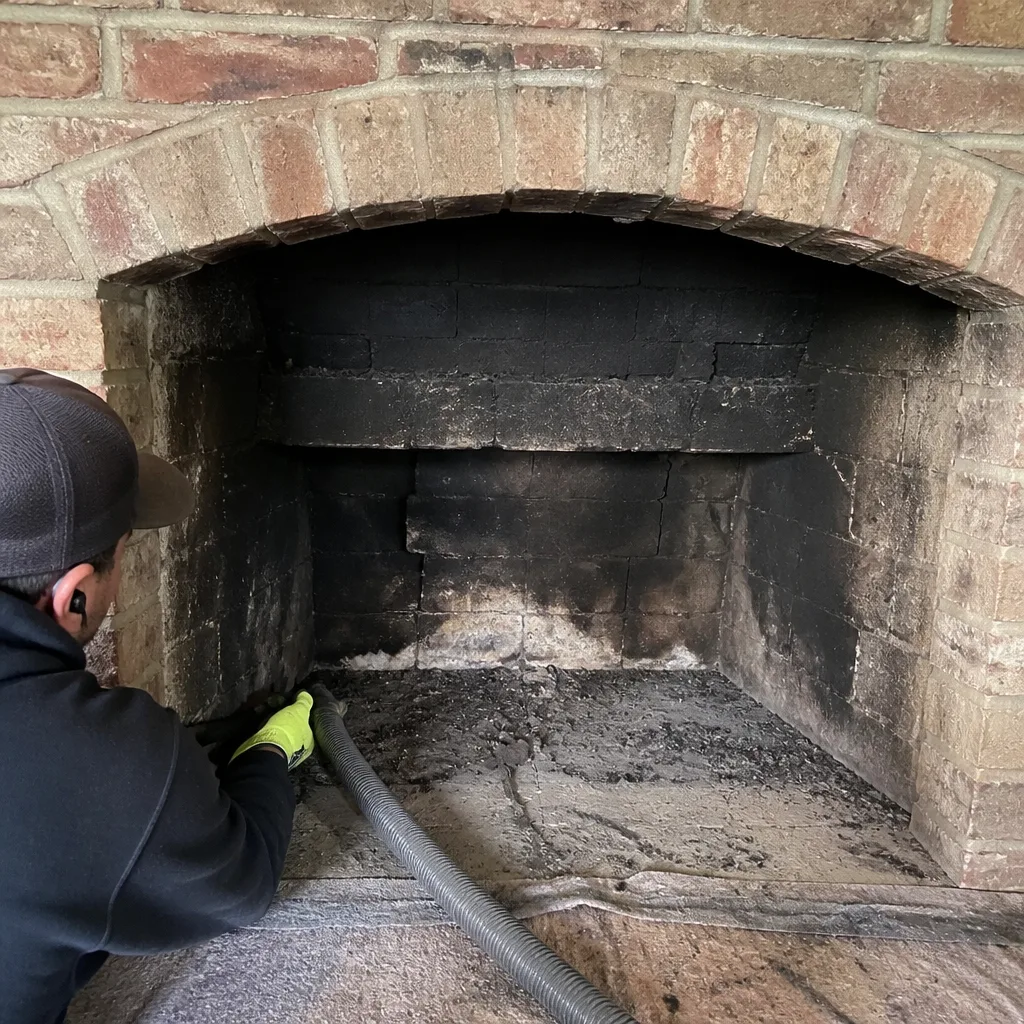 Before
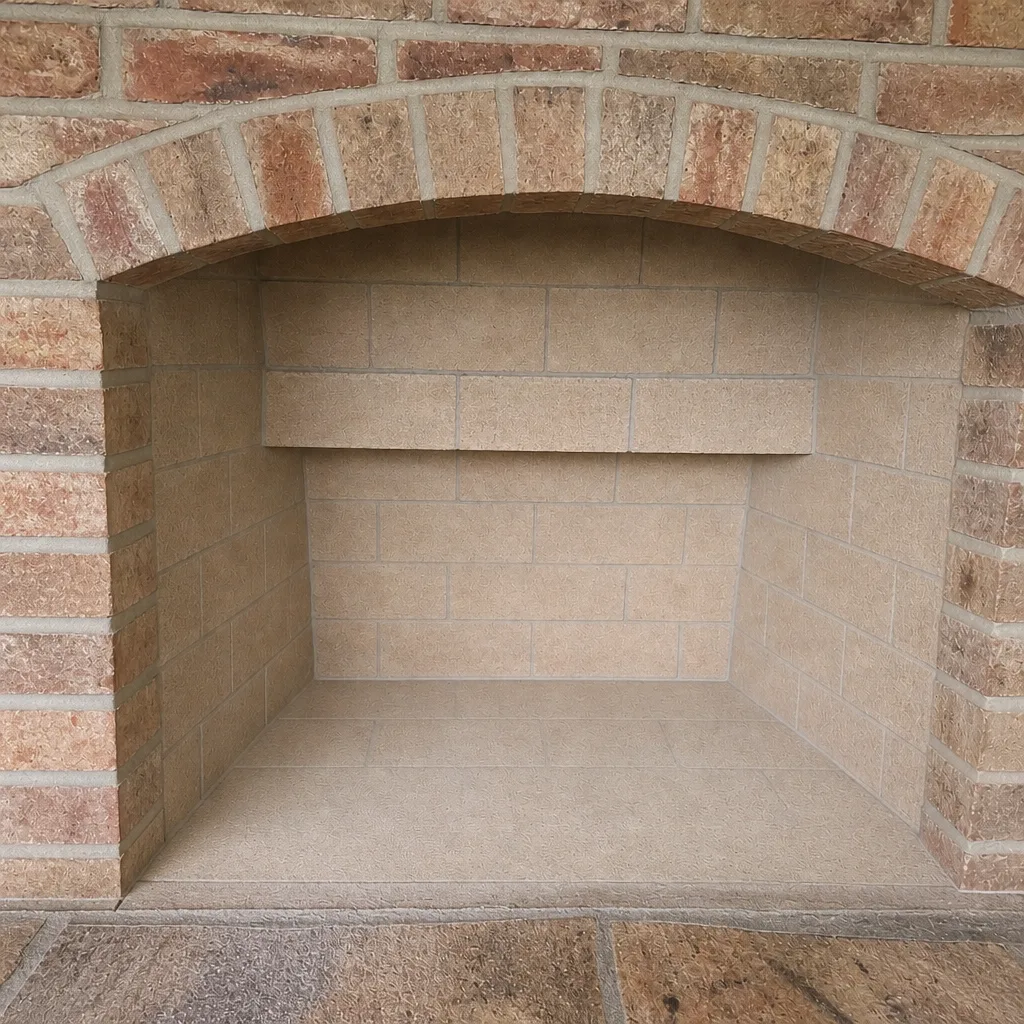 After
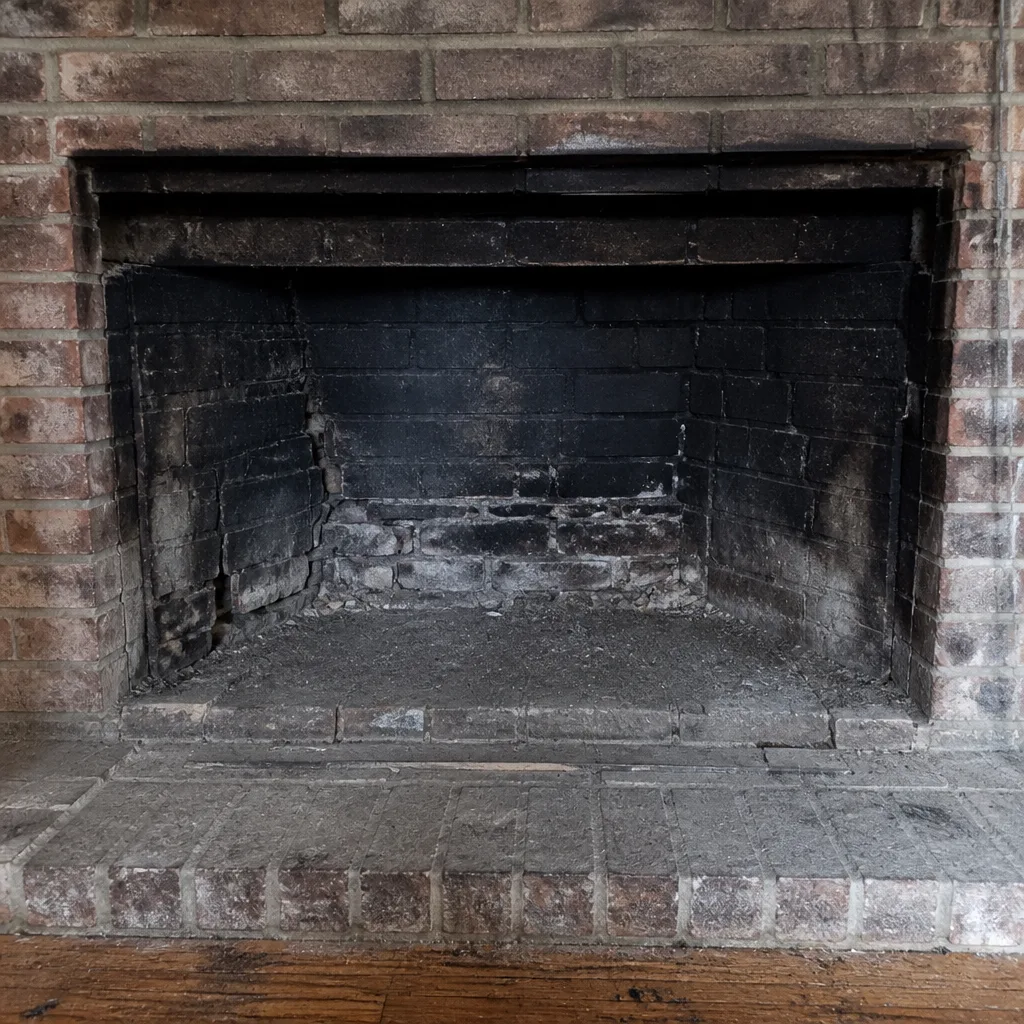 Before
 After
 Before
 After
When to Call a Professional
Some chimney work is a judgment call. Some isn’t. Call a professional if you’re seeing any of these: water stains on the ceiling near the chimney, a musty smell from the firebox, cracked or missing mortar on the crown, a cap that’s loose, rusted, or gone, or a fire that smokes back into the room. If a flue tile is visibly cracked or spalling, that’s a liner question, not a cleaning question. And if you haven’t had the chimney inspected in over a year, that’s an inspection call regardless of what you can see. Our technicians have up to 14 years of experience, all in chimney systems, and every recommendation we make is backed by camera evidence you see for yourself before you approve anything. Chimney Sweep East Nashville offers free estimates in East Nashville. Call (877) 792-5705.
Frequently Asked Questions
There’s no single brand that covers chimney cleaning, because cleaning is a mechanical service, not a product. What matters is the products the contractor uses for repair work: liner systems like DuraFlex, crown products from Gelco and Famco, resurfacing products like HeatShield, and materials sourced from professional networks. Ask what your contractor uses and why. Call (877) 792-5705 for a free estimate.
Because the same type of product can be formulated for two different users. Retail versions are mixed for one-time homeowner patches. Contractor versions are mixed for long-term performance under heat, freeze-thaw, and moisture. A crown sealant from a professional network holds its flexibility years longer than a retail patch. That’s the difference between a one-year outcome and a decade-long one. Call (877) 792-5705 for a free estimate.
Ask three questions. What liner system do you install? What brand of crown sealant do you use? Can you resurface a flue instead of relining it? A contractor using professional materials names brands and explains why. A contractor using retail materials uses vague language. Ask before you book, and ask to see samples of the material if you want more assurance. Call (877) 792-5705 for a free estimate.
A liner is necessary when the existing flue is cracked, deteriorated, or unsafe. It’s an upsell when a contractor recommends it without showing you why. We recommend a liner only when camera inspection shows damage, and we explain what we see before asking you to decide. If the flue is intact, we’ll tell you that too. Call (877) 792-5705 for a free estimate.
Sometimes, yes. HeatShield resurfacing restores deteriorated flue tiles by applying a specialized coating on the interior. It’s appropriate when the tile damage is limited and the flue is otherwise sound. It’s not appropriate when the flue is structurally compromised or the liner width is insufficient. The right call depends on what the camera shows. Call (877) 792-5705 for a free estimate.
The combination of humid summers, repeated freeze-thaw in winter, and heavy spring rain stresses different parts of the chimney. Breathable waterproofing is more important here than in drier climates, and flexible crown sealants are more important than in climates without freeze-thaw. A product rated for a mild climate may not hold up in East Nashville. Call (877) 792-5705 for a free estimate.
The Bottom Line
The brand behind your chimney repair is a proxy for the standards behind the company. Contractor-grade materials from professional supply networks (DuraFlex liners, HeatShield resurfacing, Gelco and Famco crowns, Olympia Chimney and Copperfield supply) perform measurably differently than retail substitutes, and that difference shows up in how long a repair lasts and how good the warranty is that backs it. Ask what your contractor uses and why. Expect a specific answer. If you get one, you’re dealing with someone whose entire livelihood is chimneys. If you don’t, you’re dealing with someone who isn’t. Chimney Sweep East Nashville handles inspections, sweeps, cap and crown work, fireplace repair, and liner installation under one scope. Call (877) 792-5705. We answer 24/7. Fast dispatch from 7am to 7pm, Sunday through Friday.
Written by the team at Chimney Sweep East Nashville.